
• Exploring Orthodontic Treatments: What You Need to Know About Braces and Aligners

    When it comes to straightening teeth and achieving a healthy, beautiful smile, the two most common orthodontic treatments are braces and aligners. Whether you’re dealing with crooked teeth, gaps, or bite issues, understanding the options available can make your decision much easier. Let’s explore the key differences between these treatments and help you find the right solution for your needs.
    What Are Braces?
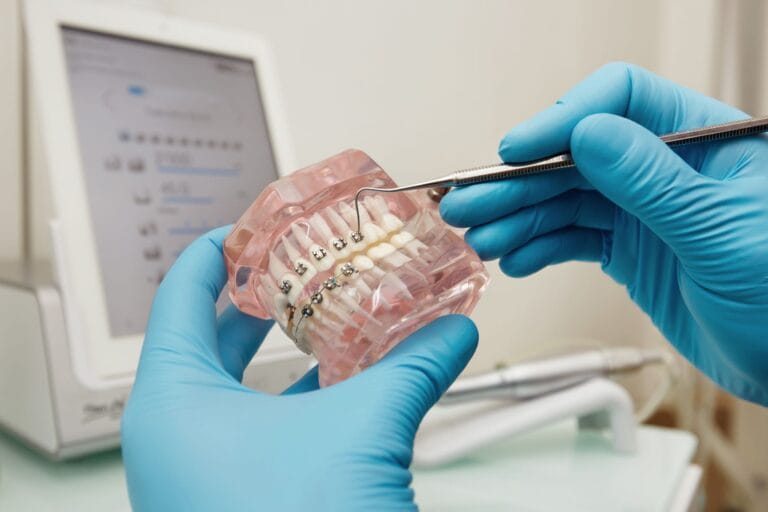
    Braces are the tried-and-true method for straightening teeth. Most people think of traditional metal braces, but there are actually a few types to choose from:
    Traditional Metal Braces: These are the metal brackets and wires that most of us picture. They’re effective for even severe alignment issues and have become much more comfortable over the years.
    Ceramic Braces: Similar to metal braces, ceramic braces are less noticeable because the brackets blend with your teeth. They function the same but offer a more discreet option.
    Lingual Braces: These braces are placed on the inside of your teeth, making them invisible from the outside. However, they can be more uncomfortable and harder to clean.
    Braces work by applying steady pressure on your teeth, gradually shifting them into the right position. On average, treatment with braces lasts between 18 months and 3 years, depending on the complexity of your case.
    What Are Aligners?
    Clear aligners, like Invisalign, are a modern alternative to traditional braces. They’re made from smooth, clear plastic and are custom-fitted to your teeth. You’ll receive a series of aligner trays, each designed to make slight adjustments over time.
    Invisibility: Aligners are virtually invisible, making them a great option for those who prefer a discreet look.
    Removability: Unlike braces, aligners can be taken out while eating, drinking, and brushing your teeth. This makes them more convenient, but it also means you’ll need discipline—aligners must be worn for 20–22 hours a day for optimal results.
    Treatment time with aligners is similar to braces, ranging from 12 to 24 months for most cases. However, aligners may not be the best option for severe orthodontic issues.
    Which One Is Right for You?
    Choosing between braces and aligners often depends on your specific orthodontic needs and lifestyle:
    Severity of the Issue: Braces tend to be better for more complex cases, like significant misalignment or jaw issues. Aligners work well for mild to moderate corrections.
    Appearance: If the look of metal braces is a concern, aligners or ceramic braces might be a better fit for you.
    Commitment to Wearing Aligners: If you think you’ll have trouble wearing aligners
    for the recommended amount of time, braces might be the more effective choice.
    Cost and Convenience
    Both treatments vary in cost depending on the complexity of your treatment plan. Braces are generally more affordable upfront, while aligners, especially Invisalign, can cost a bit more. Keep in mind, both treatments offer financing options, making it easier to get the care you need without a large financial burden upfront.
    In terms of convenience, aligners win for their removability, but they also require more discipline. Braces, while fixed, don’t require the same level of responsibility but do need regular adjustments at the orthodontist’s office.
    What to Expect During Treatment
    Both braces and aligners will require regular check-ups with your orthodontist to ensure your treatment is on track. You may experience discomfort with both treatments, especially
    in the first few days or when switching aligner trays or tightening braces. This discomfort is a sign that your teeth are moving into their new position!
    Cleaning is essential with either option. Brushing and flossing with braces can be tricky, so a little more care is needed to avoid plaque buildup. Aligners need to be cleaned regularly, too, as they can trap food particles against your teeth.


    Read more: https://kaadentals.co.uk/blogs/orthodontic-treatment-know-about-braces-and-aligners/.


    #emergencydentistcaerphilly
    #Emergencydentistpontypridd
    #EmergencydentistRhymney
    #Emergencydentisttredegar
    #Emergencydentistabergabergavenny
    #Emergencydentistcardiff
    #Emergencydentistaberdare
    #Emergencydentistbargoed
    #Emergencydentistmerthyrtydfil


    Exploring Orthodontic Treatments: What You Need to Know About Braces and Aligners When it comes to straightening teeth and achieving a healthy, beautiful smile, the two most common orthodontic treatments are braces and aligners. Whether you’re dealing with crooked teeth, gaps, or bite issues, understanding the options available can make your decision much easier. Let’s explore the key differences between these treatments and help you find the right solution for your needs. What Are Braces? Braces are the tried-and-true method for straightening teeth. Most people think of traditional metal braces, but there are actually a few types to choose from: Traditional Metal Braces: These are the metal brackets and wires that most of us picture. They’re effective for even severe alignment issues and have become much more comfortable over the years. Ceramic Braces: Similar to metal braces, ceramic braces are less noticeable because the brackets blend with your teeth. They function the same but offer a more discreet option. Lingual Braces: These braces are placed on the inside of your teeth, making them invisible from the outside. However, they can be more uncomfortable and harder to clean. Braces work by applying steady pressure on your teeth, gradually shifting them into the right position. On average, treatment with braces lasts between 18 months and 3 years, depending on the complexity of your case. What Are Aligners? Clear aligners, like Invisalign, are a modern alternative to traditional braces. They’re made from smooth, clear plastic and are custom-fitted to your teeth. You’ll receive a series of aligner trays, each designed to make slight adjustments over time. Invisibility: Aligners are virtually invisible, making them a great option for those who prefer a discreet look. Removability: Unlike braces, aligners can be taken out while eating, drinking, and brushing your teeth. This makes them more convenient, but it also means you’ll need discipline—aligners must be worn for 20–22 hours a day for optimal results. Treatment time with aligners is similar to braces, ranging from 12 to 24 months for most cases. However, aligners may not be the best option for severe orthodontic issues. Which One Is Right for You? Choosing between braces and aligners often depends on your specific orthodontic needs and lifestyle: Severity of the Issue: Braces tend to be better for more complex cases, like significant misalignment or jaw issues. Aligners work well for mild to moderate corrections. Appearance: If the look of metal braces is a concern, aligners or ceramic braces might be a better fit for you. Commitment to Wearing Aligners: If you think you’ll have trouble wearing aligners for the recommended amount of time, braces might be the more effective choice. Cost and Convenience Both treatments vary in cost depending on the complexity of your treatment plan. Braces are generally more affordable upfront, while aligners, especially Invisalign, can cost a bit more. Keep in mind, both treatments offer financing options, making it easier to get the care you need without a large financial burden upfront. In terms of convenience, aligners win for their removability, but they also require more discipline. Braces, while fixed, don’t require the same level of responsibility but do need regular adjustments at the orthodontist’s office. What to Expect During Treatment Both braces and aligners will require regular check-ups with your orthodontist to ensure your treatment is on track. You may experience discomfort with both treatments, especially in the first few days or when switching aligner trays or tightening braces. This discomfort is a sign that your teeth are moving into their new position! Cleaning is essential with either option. Brushing and flossing with braces can be tricky, so a little more care is needed to avoid plaque buildup. Aligners need to be cleaned regularly, too, as they can trap food particles against your teeth. Read more: https://kaadentals.co.uk/blogs/orthodontic-treatment-know-about-braces-and-aligners/. #emergencydentistcaerphilly #Emergencydentistpontypridd #EmergencydentistRhymney #Emergencydentisttredegar #Emergencydentistabergabergavenny #Emergencydentistcardiff #Emergencydentistaberdare #Emergencydentistbargoed #Emergencydentistmerthyrtydfil
    KAADENTALS.CO.UK
    Exploring Orthodontic Treatments: What You Need to Know About Braces and Aligners
    orthodontic treatment helps straighten your teeth which results in healthy and brighter smile. the most common orthodontic treatments are aligners and braces.
    0 Comments 0 Shares 919 Views
  • Pain-Free Dental Services with The Latest Innovations

    If you are a person that is still afraid of visiting a dentist, this can no longer be the case anymore; modern technology has advanced in dental services, making dental treatment faster, more comfortable, and almost pain-free. Whether you are looking for a mountain ash dentist knowing these innovations will help alleviate concerns and anxieties regarding dental visitation, thus paving a way for a better clinic visit the team of KAA dentals.

    Let us understand some latest pain-free dentistry techniques that are changing the way we care for your smiles.


    1. Laser Dentistry being A Drill-Free Solution

    One of the most groundbreaking developments in dentistry is laser dentistry. Traditional drills are painful, produce vibrations, and anxiety whereas lasers eliminate their use in many procedures.

    Laser dentistry is used for:
    ✔ Treating cavities without drills
    ✔ Performing gum surgeries with minimal bleeding
    ✔ Teeth whitening with reduced sensitivity

    Since laser technology is minimally invasive, patients experience little to no pain, reduced healing time, and a more comfortable dental experience.

    2. Digital Anesthesia: Numbing Without the Needle

    Many people fear the pain associated with injections, but digital anesthesia systems have changed that. These computer-controlled numbing devices precisely administer anesthesia at a slow and controlled rate, reducing discomfort significantly.

    Patients who visit a dentist in Aberdare can now benefit from this modern technique, which ensures:
    ✔ No sudden pain from injections
    ✔ More accurate numbing for targeted areas
    ✔ A quicker recovery with fewer side effects

    3. Sedation Dentistry For Anxiety Relaxation

    For the patients who have extreme dental anxiety, sedation dentistry provides a pain-free and stress-free appointment. There are different types of options in sedations, such as:
    ✔ Laughing gas (nitrous oxide) – You’ll stay awake but be relaxed
    ✔ Oral sedation – A pill that is taken before the procedure to relax
    ✔ IV sedation – Ideal for more complex procedures, offering complete comfort

    It is particularly convenient for patients needing an emergency dentist Aberdare and may require immediate but painless treatment.

    4. 3D Imaging & Digital Scanning: No More Uncomfortable Impressions

    The days of biting into messy molds for dental impressions are gone. With 3D imaging and digital scanning, dentists can now get highly accurate impressions of your teeth without discomfort.

    Benefits include:
    ✔ Faster and more precise results
    ✔ Less gagging or discomfort
    ✔ Improved accuracy for crowns, braces, and aligners

    If you’re visiting a mountain ash dentist, ask about digital scanning to make your experience smoother and pain-free.

    5. Biocompatible Fillings

    Conventional metal fillings can create discomfort and sensitivity to temperature changes. Contemporary dental services now offer the replacement of metal fillings with bio-compatible materials, such as composite resin and ceramic, which match the color of the tooth and are less irritating.

    These materials are:
    ✔ More durable and long-lasting
    ✔ Aesthetically pleasing and natural-looking
    ✔ Safer for overall health

    If you require an emergency dentist Aberdare, ask about pain-free, biocompatible treatment options.


    Read more: https://kaadentals.co.uk/blogs/pain-free-dental-services-with-the-latest-innovations/


    #dentistinBargoed

    #affordableteethwhiteningnearme

    #teethwhitening
    #EmergencydentistAberdare
    #Emergencydentistnearbargoed
    #Affordabledentistinbargoed
    #dentistnearbargoed
    #KAAdentprime
    #ScaleandpolishinAberdare
    #oralhygienebargoed
    #dentalservicesbargoed
    #dentalclinicnearbargoed
    #dentalservicesinbargoed
    #hygieneappointmentsbargoed


    Pain-Free Dental Services with The Latest Innovations If you are a person that is still afraid of visiting a dentist, this can no longer be the case anymore; modern technology has advanced in dental services, making dental treatment faster, more comfortable, and almost pain-free. Whether you are looking for a mountain ash dentist knowing these innovations will help alleviate concerns and anxieties regarding dental visitation, thus paving a way for a better clinic visit the team of KAA dentals. Let us understand some latest pain-free dentistry techniques that are changing the way we care for your smiles. 1. Laser Dentistry being A Drill-Free Solution One of the most groundbreaking developments in dentistry is laser dentistry. Traditional drills are painful, produce vibrations, and anxiety whereas lasers eliminate their use in many procedures. Laser dentistry is used for: ✔ Treating cavities without drills ✔ Performing gum surgeries with minimal bleeding ✔ Teeth whitening with reduced sensitivity Since laser technology is minimally invasive, patients experience little to no pain, reduced healing time, and a more comfortable dental experience. 2. Digital Anesthesia: Numbing Without the Needle Many people fear the pain associated with injections, but digital anesthesia systems have changed that. These computer-controlled numbing devices precisely administer anesthesia at a slow and controlled rate, reducing discomfort significantly. Patients who visit a dentist in Aberdare can now benefit from this modern technique, which ensures: ✔ No sudden pain from injections ✔ More accurate numbing for targeted areas ✔ A quicker recovery with fewer side effects 3. Sedation Dentistry For Anxiety Relaxation For the patients who have extreme dental anxiety, sedation dentistry provides a pain-free and stress-free appointment. There are different types of options in sedations, such as: ✔ Laughing gas (nitrous oxide) – You’ll stay awake but be relaxed ✔ Oral sedation – A pill that is taken before the procedure to relax ✔ IV sedation – Ideal for more complex procedures, offering complete comfort It is particularly convenient for patients needing an emergency dentist Aberdare and may require immediate but painless treatment. 4. 3D Imaging & Digital Scanning: No More Uncomfortable Impressions The days of biting into messy molds for dental impressions are gone. With 3D imaging and digital scanning, dentists can now get highly accurate impressions of your teeth without discomfort. Benefits include: ✔ Faster and more precise results ✔ Less gagging or discomfort ✔ Improved accuracy for crowns, braces, and aligners If you’re visiting a mountain ash dentist, ask about digital scanning to make your experience smoother and pain-free. 5. Biocompatible Fillings Conventional metal fillings can create discomfort and sensitivity to temperature changes. Contemporary dental services now offer the replacement of metal fillings with bio-compatible materials, such as composite resin and ceramic, which match the color of the tooth and are less irritating. These materials are: ✔ More durable and long-lasting ✔ Aesthetically pleasing and natural-looking ✔ Safer for overall health If you require an emergency dentist Aberdare, ask about pain-free, biocompatible treatment options. Read more: https://kaadentals.co.uk/blogs/pain-free-dental-services-with-the-latest-innovations/ #dentistinBargoed #affordableteethwhiteningnearme #teethwhitening #EmergencydentistAberdare #Emergencydentistnearbargoed #Affordabledentistinbargoed #dentistnearbargoed #KAAdentprime #ScaleandpolishinAberdare #oralhygienebargoed #dentalservicesbargoed #dentalclinicnearbargoed #dentalservicesinbargoed #hygieneappointmentsbargoed
    KAADENTALS.CO.UK
    Pain-Free Dental Services with The Latest Innovations
    Modern technology has advanced in dental services. Pain-free dentistry is no longer a dream as it is a reality due to the advancements in dental treatments.
    0 Comments 0 Shares 2K Views
  • Looking to boost your oral hygiene? Expert tips from Kaa Dentals!
    Oral hygiene isn’t just about having a sparkling smile—it’s essential for your overall health and well-being. Maintaining good oral hygiene can help prevent common dental issues like cavities, gum disease, and even more serious conditions such as tooth loss or systemic infections. At Kaa Dentals, we believe in empowering our patients with the knowledge they need to take care of their teeth effectively. Here’s what our dentists recommend to keep your oral health in top shape.

    1. Brush properly—It’s all about technique


    You’ve likely heard the advice to brush twice a day, but how you brush matters just as much. Make sure you’re using a soft-bristled brush and brushing for at least two minutes, focusing on all areas of your mouth: teeth, gums, and tongue. Use small, circular motions to avoid damaging your gums. Replace your toothbrush every three months or sooner if the bristles start to fray.

    Kaa Dentals Tip: Electric toothbrushes can be a game-changer. They help you maintain the right pressure and cover more surface area efficiently.

    2. Floss daily—More than just a good habit

    Flossing is often overlooked, but it’s a vital part of your daily routine. Brushing alone can’t remove plaque from the tight spaces between your teeth. By flossing once a day, you help prevent gum disease and reduce the risk of cavities in those hard-to-reach areas.

    Kaa Dentals Tip: Struggling with traditional floss? Try using floss picks or water flossers for a more comfortable experience.

    3. Watch your diet—What you eat affects your teeth

    Your diet plays a significant role in your oral health. Sugary foods and drinks can contribute to tooth decay, so try to limit their intake. Foods rich in calcium, such as dairy products, and crunchy fruits and vegetables, like apples and carrots, help strengthen your teeth and stimulate saliva production, which naturally cleans your mouth.

    Kaa Dentals Tip: Rinsing your mouth with water after meals helps wash away food particles and acids that can harm your enamel.


    4. Regular dental check-ups—Your best defence

    No matter how diligent you are with your at-home care, nothing replaces a professional check-up. Visiting your dentist every six months allows for early detection of potential problems and ensures a deep clean that removes plaque and tartar buildup that daily brushing can’t handle.

    Kaa Dentals Tip: During your visit, our dentists at Kaa Dentals will provide personalized advice tailored to your oral health needs.


    5. Don’t forget about mouthwash—An added layer of protection

    Using an antimicrobial mouthwash can provide an extra layer of defence against bacteria, helping to reduce plaque and freshen your breath. While mouthwash isn’t a substitute for brushing and flossing, it’s a great addition to your daily routine.

    Kaa Dentals Tip: Opt for an alcohol-free mouthwash to avoid drying out your mouth, which can lead to other issues.


    Read more: https://kaadentals.co.uk/blogs/looking-to-boost-your-oral-hygiene-expert-tips-from-kaa-dentals/


    #dentistinBargoed

    #affordableteethwhiteningnearme

    #teethwhitening
    #EmergencydentistAberdare
    #Emergencydentistnearbargoed
    #Affordabledentistinbargoed
    #dentistnearbargoed
    #KAAdentprime
    #ScaleandpolishinAberdare
    #oralhygienebargoed
    #dentalservicesbargoed
    #dentalclinicnearbargoed
    #dentalservicesinbargoed
    #hygieneappointmentsbargoed

    Looking to boost your oral hygiene? Expert tips from Kaa Dentals! Oral hygiene isn’t just about having a sparkling smile—it’s essential for your overall health and well-being. Maintaining good oral hygiene can help prevent common dental issues like cavities, gum disease, and even more serious conditions such as tooth loss or systemic infections. At Kaa Dentals, we believe in empowering our patients with the knowledge they need to take care of their teeth effectively. Here’s what our dentists recommend to keep your oral health in top shape. 1. Brush properly—It’s all about technique You’ve likely heard the advice to brush twice a day, but how you brush matters just as much. Make sure you’re using a soft-bristled brush and brushing for at least two minutes, focusing on all areas of your mouth: teeth, gums, and tongue. Use small, circular motions to avoid damaging your gums. Replace your toothbrush every three months or sooner if the bristles start to fray. Kaa Dentals Tip: Electric toothbrushes can be a game-changer. They help you maintain the right pressure and cover more surface area efficiently. 2. Floss daily—More than just a good habit Flossing is often overlooked, but it’s a vital part of your daily routine. Brushing alone can’t remove plaque from the tight spaces between your teeth. By flossing once a day, you help prevent gum disease and reduce the risk of cavities in those hard-to-reach areas. Kaa Dentals Tip: Struggling with traditional floss? Try using floss picks or water flossers for a more comfortable experience. 3. Watch your diet—What you eat affects your teeth Your diet plays a significant role in your oral health. Sugary foods and drinks can contribute to tooth decay, so try to limit their intake. Foods rich in calcium, such as dairy products, and crunchy fruits and vegetables, like apples and carrots, help strengthen your teeth and stimulate saliva production, which naturally cleans your mouth. Kaa Dentals Tip: Rinsing your mouth with water after meals helps wash away food particles and acids that can harm your enamel. 4. Regular dental check-ups—Your best defence No matter how diligent you are with your at-home care, nothing replaces a professional check-up. Visiting your dentist every six months allows for early detection of potential problems and ensures a deep clean that removes plaque and tartar buildup that daily brushing can’t handle. Kaa Dentals Tip: During your visit, our dentists at Kaa Dentals will provide personalized advice tailored to your oral health needs. 5. Don’t forget about mouthwash—An added layer of protection Using an antimicrobial mouthwash can provide an extra layer of defence against bacteria, helping to reduce plaque and freshen your breath. While mouthwash isn’t a substitute for brushing and flossing, it’s a great addition to your daily routine. Kaa Dentals Tip: Opt for an alcohol-free mouthwash to avoid drying out your mouth, which can lead to other issues. Read more: https://kaadentals.co.uk/blogs/looking-to-boost-your-oral-hygiene-expert-tips-from-kaa-dentals/ #dentistinBargoed #affordableteethwhiteningnearme #teethwhitening #EmergencydentistAberdare #Emergencydentistnearbargoed #Affordabledentistinbargoed #dentistnearbargoed #KAAdentprime #ScaleandpolishinAberdare #oralhygienebargoed #dentalservicesbargoed #dentalclinicnearbargoed #dentalservicesinbargoed #hygieneappointmentsbargoed
    KAADENTALS.CO.UK
    Looking to boost your oral hygiene? Expert tips from Kaa Dentals!
    If Good oral hygiene maintained that helps prevent dental issues like cavities and more serious conditions such as tooth loss or systemic infection. KAA Dentals
    0 Comments 0 Shares 2K Views
  • Why regular dental check-ups are essential
    While maintaining daily oral hygiene is crucial, regular dental check-ups are just as important for keeping your teeth and gums in top shape. These routine visits help prevent a wide range of issues that may otherwise go unnoticed until they become serious problems. Here’s why scheduling regular dental check-ups is key to your oral health.

    1. Preventing cavities and tooth decay

    Even with diligent brushing and flossing, plaque can still build up in areas that are difficult to reach. Over time, this plaque hardens into tartar, which can lead to cavities and decay if left untreated. Regular dental cleanings remove both plaque and tartar, preventing tooth decay and keeping your teeth healthy.

    2. Early detection of gum disease
    Gum disease often progresses silently, showing few symptoms until it’s advanced. Regular dental check-ups allow for early detection of gum disease before it causes serious damage to your gums and teeth. Your dentist can identify signs of gingivitis, the early stage of gum disease, and provide treatment to prevent its progression.


    3. Screening for oral cancer

    Oral cancer is a serious and potentially life-threatening condition if not caught early. During your check-up, your dentist will screen for any signs of oral cancer, including unusual sores, lumps, or discolouration in the mouth. Early detection can greatly increase the chances of successful treatment.


    4. Identifying hidden dental issues

    Not all dental problems are visible to the naked eye. Issues like impacted teeth, bone decay, or cysts can only be detected through X-rays. Regular check-ups include diagnostic imaging to identify these hidden issues early, allowing for timely treatment before they worsen.

    5. Maintaining overall health

    Your oral health is closely linked to your overall well-being. Conditions like heart disease and diabetes have been linked to poor oral hygiene. Regular dental check-ups can help you maintain good oral health, reducing the risk of complications related to these systemic diseases


    6. Personalised advice and care

    During your check-up, your dentist can provide personalised advice based on your unique needs, lifestyle, and dental health. Whether it’s guidance on improving your oral hygiene routine or addressing concerns like teeth grinding or sensitivity, regular visits ensure you receive tailored care.

    Routine dental check-ups are about more than just maintaining a clean smile—they’re vital for your overall health. By scheduling regular appointments, you can prevent common dental issues, detect problems early, and ensure your oral health remains in excellent condition.

    Routine dental check-ups are about more than just maintaining a clean smile—they’re vital for your overall health. By scheduling regular appointments, you can prevent common dental issues, detect problems early, and ensure your oral health remains in excellent condition.

    Read more: https://kaadentals.co.uk/blogs/why-regular-dental-check-ups-are-essential/

    #bestdentistinmountainash

    #bestdentalhospitalinmountainash

    #mountainashdentist

    #dentistinAberdare

    #EmergencydentistAberdare

    #EmergencydentistnearAberdare

    #AffordabledentistinAberdare

    #dentistnearAberdare

    #KAAdentprime

    #ScaleandpolishinAberdare

    #oralhygieneaberdare

    #dentalservicesaberdare

    #dentalclinicnearaberdare

    #dentalservicesinaberdare

    #hygieneappointmentsinaberdare


    Why regular dental check-ups are essential While maintaining daily oral hygiene is crucial, regular dental check-ups are just as important for keeping your teeth and gums in top shape. These routine visits help prevent a wide range of issues that may otherwise go unnoticed until they become serious problems. Here’s why scheduling regular dental check-ups is key to your oral health. 1. Preventing cavities and tooth decay Even with diligent brushing and flossing, plaque can still build up in areas that are difficult to reach. Over time, this plaque hardens into tartar, which can lead to cavities and decay if left untreated. Regular dental cleanings remove both plaque and tartar, preventing tooth decay and keeping your teeth healthy. 2. Early detection of gum disease Gum disease often progresses silently, showing few symptoms until it’s advanced. Regular dental check-ups allow for early detection of gum disease before it causes serious damage to your gums and teeth. Your dentist can identify signs of gingivitis, the early stage of gum disease, and provide treatment to prevent its progression. 3. Screening for oral cancer Oral cancer is a serious and potentially life-threatening condition if not caught early. During your check-up, your dentist will screen for any signs of oral cancer, including unusual sores, lumps, or discolouration in the mouth. Early detection can greatly increase the chances of successful treatment. 4. Identifying hidden dental issues Not all dental problems are visible to the naked eye. Issues like impacted teeth, bone decay, or cysts can only be detected through X-rays. Regular check-ups include diagnostic imaging to identify these hidden issues early, allowing for timely treatment before they worsen. 5. Maintaining overall health Your oral health is closely linked to your overall well-being. Conditions like heart disease and diabetes have been linked to poor oral hygiene. Regular dental check-ups can help you maintain good oral health, reducing the risk of complications related to these systemic diseases 6. Personalised advice and care During your check-up, your dentist can provide personalised advice based on your unique needs, lifestyle, and dental health. Whether it’s guidance on improving your oral hygiene routine or addressing concerns like teeth grinding or sensitivity, regular visits ensure you receive tailored care. Routine dental check-ups are about more than just maintaining a clean smile—they’re vital for your overall health. By scheduling regular appointments, you can prevent common dental issues, detect problems early, and ensure your oral health remains in excellent condition. Routine dental check-ups are about more than just maintaining a clean smile—they’re vital for your overall health. By scheduling regular appointments, you can prevent common dental issues, detect problems early, and ensure your oral health remains in excellent condition. Read more: https://kaadentals.co.uk/blogs/why-regular-dental-check-ups-are-essential/ #bestdentistinmountainash #bestdentalhospitalinmountainash #mountainashdentist #dentistinAberdare #EmergencydentistAberdare #EmergencydentistnearAberdare #AffordabledentistinAberdare #dentistnearAberdare #KAAdentprime #ScaleandpolishinAberdare #oralhygieneaberdare #dentalservicesaberdare #dentalclinicnearaberdare #dentalservicesinaberdare #hygieneappointmentsinaberdare
    0 Comments 0 Shares 2K Views
  • Invisalign vs Braces: What’s better for me?
    When it comes to straightening your teeth, the two most popular options are traditional braces and Invisalign. While both are effective, each has its own advantages depending on your specific dental needs, lifestyle, and preferences. So how do you choose? Let's dive into the key differences between Invisalign and braces to help you make an informed decision.
    1. Appearance
    One of the biggest distinctions between Invisalign and traditional braces is their appearance.
    Invisalign is virtually invisible. The clear plastic aligners are custom-made to fit snugly over your teeth, making them far less noticeable. This makes Invisalign a popular choice for adults and teens who prefer a discreet option.
    Braces, is on the other hand, are more visible, featuring metal brackets and wires. While modern braces are sleeker than they used to be, they're still noticeable, though ceramic braces offer a less conspicuous option by blending in with the color of your teeth.
    2. Comfort
    Both Invisalign and braces are designed to move your teeth into alignment, but they differ in comfort.
    Invisalign aligners are made of smooth plastic, which reduces irritation to the gums and cheeks. They are custom-molded to your teeth, offering a more comfortable experience overall.
    Braces can sometimes cause discomfort due to the brackets and wires, which may rub against the inside of your mouth. You may also need occasional adjustments, which can lead to soreness. However, the results of braces tend to be more predictable in complex cases.
    3. Treatment Time
    How long will it take to achieve your desired results?
    Invisalign often offers a shorter treatment time, typically ranging from 6 to 18 months, depending on the severity of your case. Since the aligners are removable, treatment depends largely on how consistently you wear them—ideally for 20 to 22 hours a day. .
    Braces , in contrast, usually require a longer treatment period, ranging from 18 months to 2 years or more. Because braces are fixed in place, they work continuously, but the length of treatment can depend on the complexity of your case.
    4. Convenience and Maintenance
    Your lifestyle and daily habits are important factors when choosing between Invisalign and braces.
    Invisalign aligners can be removed when eating, drinking, or brushing your teeth, giving you the freedom to enjoy your favorite foods without worry. However, you'll need to clean your aligners regularly and ensure you wear them as recommended to avoid extending your treatment time.
    Braces are fixed in place, which means you won't need to remember to put them back on, but you'll need to avoid certain foods that can damage the brackets, such as sticky or hard foods. Brushing and flossing require more effort around the brackets and wires.
    5. Cost
    The cost of orthodontic treatment can vary depending on several factors, including the complexity of your case and the duration of treatment.
    Invisalign tends to be more expensive than traditional braces due to the advanced technology and customization involved. However, the benefits of a discreet appearance and shorter treatment time often make the investment worth it for many patients.
    Braces are typically more affordable and offer a reliable solution for a wide range of orthodontic issues, especially complex cases. Your dentist can help you explore payment options and insurance coverage to make either option more affordable.
    6. Effectiveness
    Both Invisalign and braces are highly effective, but which one is better suited for your needs depends on the complexity of your case.
    Invisalign is ideal for mild to moderate dental issues such as crooked teeth, gaps, and minor bite problems. It may not be as effective for severe cases that require more extensive tooth movement.
    Braces are more versatile and can handle complex orthodontic problems like severe misalignment, overbites, underbites, and crossbites. They provide the necessary control to move teeth with precision.
    Ultimately, the choice between Invisalign and braces depends on your specific orthodontic needs, lifestyle, and budget. Invisalign offers a nearly invisible, more comfortable option with the flexibility to remove the aligners as needed. However, traditional braces are a more effective solution for complex cases and typically come at a lower cost.

    Read more: https://kaadentals.co.uk/blogs/invisalign-vs-braces-whats-better-for-me/.

    #orthodontictreatment
    #dentistintredegar
    #tredegardentist
    #dentistinbargoed
    #affordabledentsitinmerthyrtydfil
    #emergencydentistaberdare


    Invisalign vs Braces: What’s better for me? When it comes to straightening your teeth, the two most popular options are traditional braces and Invisalign. While both are effective, each has its own advantages depending on your specific dental needs, lifestyle, and preferences. So how do you choose? Let's dive into the key differences between Invisalign and braces to help you make an informed decision. 1. Appearance One of the biggest distinctions between Invisalign and traditional braces is their appearance. Invisalign is virtually invisible. The clear plastic aligners are custom-made to fit snugly over your teeth, making them far less noticeable. This makes Invisalign a popular choice for adults and teens who prefer a discreet option. Braces, is on the other hand, are more visible, featuring metal brackets and wires. While modern braces are sleeker than they used to be, they're still noticeable, though ceramic braces offer a less conspicuous option by blending in with the color of your teeth. 2. Comfort Both Invisalign and braces are designed to move your teeth into alignment, but they differ in comfort. Invisalign aligners are made of smooth plastic, which reduces irritation to the gums and cheeks. They are custom-molded to your teeth, offering a more comfortable experience overall. Braces can sometimes cause discomfort due to the brackets and wires, which may rub against the inside of your mouth. You may also need occasional adjustments, which can lead to soreness. However, the results of braces tend to be more predictable in complex cases. 3. Treatment Time How long will it take to achieve your desired results? Invisalign often offers a shorter treatment time, typically ranging from 6 to 18 months, depending on the severity of your case. Since the aligners are removable, treatment depends largely on how consistently you wear them—ideally for 20 to 22 hours a day. . Braces , in contrast, usually require a longer treatment period, ranging from 18 months to 2 years or more. Because braces are fixed in place, they work continuously, but the length of treatment can depend on the complexity of your case. 4. Convenience and Maintenance Your lifestyle and daily habits are important factors when choosing between Invisalign and braces. Invisalign aligners can be removed when eating, drinking, or brushing your teeth, giving you the freedom to enjoy your favorite foods without worry. However, you'll need to clean your aligners regularly and ensure you wear them as recommended to avoid extending your treatment time. Braces are fixed in place, which means you won't need to remember to put them back on, but you'll need to avoid certain foods that can damage the brackets, such as sticky or hard foods. Brushing and flossing require more effort around the brackets and wires. 5. Cost The cost of orthodontic treatment can vary depending on several factors, including the complexity of your case and the duration of treatment. Invisalign tends to be more expensive than traditional braces due to the advanced technology and customization involved. However, the benefits of a discreet appearance and shorter treatment time often make the investment worth it for many patients. Braces are typically more affordable and offer a reliable solution for a wide range of orthodontic issues, especially complex cases. Your dentist can help you explore payment options and insurance coverage to make either option more affordable. 6. Effectiveness Both Invisalign and braces are highly effective, but which one is better suited for your needs depends on the complexity of your case. Invisalign is ideal for mild to moderate dental issues such as crooked teeth, gaps, and minor bite problems. It may not be as effective for severe cases that require more extensive tooth movement. Braces are more versatile and can handle complex orthodontic problems like severe misalignment, overbites, underbites, and crossbites. They provide the necessary control to move teeth with precision. Ultimately, the choice between Invisalign and braces depends on your specific orthodontic needs, lifestyle, and budget. Invisalign offers a nearly invisible, more comfortable option with the flexibility to remove the aligners as needed. However, traditional braces are a more effective solution for complex cases and typically come at a lower cost. Read more: https://kaadentals.co.uk/blogs/invisalign-vs-braces-whats-better-for-me/. #orthodontictreatment #dentistintredegar #tredegardentist #dentistinbargoed #affordabledentsitinmerthyrtydfil #emergencydentistaberdare
    KAADENTALS.CO.UK
    Invisalign vs Braces: What’s better for me?
    Confused between teeth Invisalign and Braces here are the differences to understand which choice is appropriate for you need and is effective for you.
    0 Comments 0 Shares 1K Views
  • Choosing the right orthodontic treatment

    Orthodontic treatment isn’t just about achieving a straighter smile—it plays a crucial role in improving both your dental health and overall well-being. But with so many treatment options available, how do you determine what’s best for you? Choosing the right solution depends on a variety of factors, including the condition of your teeth, your lifestyle, and the severity of the issue.
    In this blog, we’ll explore the common reasons people seek orthodontic care and how the right treatment can improve not just your smile but your oral health too.
    Common reasons for orthodontic treatment
    Orthodontic treatment addresses a range of dental issues that affect the functionality and appearance of your teeth. Some of the most common reasons include:
    Crooked Teeth: Misaligned teeth can lead to difficulties in cleaning and maintaining your oral health. When teeth are crooked, plaque and bacteria build-up becomes more likely, increasing the risk of gum disease and tooth decay.
    Crowded Teeth: Teeth that are too close together can twist or overlap, making it harder to brush and floss effectively. Crowded teeth often lead to discomfort and a higher chance of dental complications like cavities.
    Underbite: An underbite occurs when the lower teeth extend beyond the upper teeth. This condition can affect chewing and speech, causing long-term wear on the teeth.
    Crossbite: A crossbite happens when the upper and lower jaws don’t line up properly. This misalignment can lead to uneven tooth wear, gum recession, and jaw pain if left untreated.
    Overbite: A significant overbite causes the upper front teeth to protrude over the lower teeth. This can lead to excessive wear on the lower teeth and aesthetic concerns for many individuals.
    Bruxism (Teeth Grinding): Grinding your teeth can wear down enamel, cause jaw pain, and even lead to chronic headaches. Orthodontic treatments can help correct your bite to alleviate the symptoms of bruxism.
    Wide Spaces Between Teeth: Gaps between teeth can not only impact the aesthetics of your smile but can also lead to gum issues, as exposed areas may be more prone to inflammation.
    Speech Difficulty: The alignment of your teeth and jaws plays a big role in speech. Orthodontic treatment can correct issues such as lisping or difficulty pronouncing certain sounds caused by misaligned teeth.
    TMJ Disorders: Temporomandibular joint (TMJ) disorders cause discomfort or pain in the jaw, and orthodontic treatment may help reduce the pressure on the jaw joints and alleviate these symptoms.
    Understanding treatment options
    Once you’ve identified the reason for needing orthodontic care, it’s important to choose a treatment that aligns with your dental needs and lifestyle. Depending on the severity of the issue, your orthodontist may recommend one of the following treatments:
    Traditional Metal Braces: Effective for all levels of orthodontic problems, from minor misalignments to more complex issues like severe crowding or bite problems.
    Ceramic Braces: These are similar to metal braces but offer a more aesthetic option with clear or tooth-colored brackets.
    Clear Aligners (Invisalign): Ideal for those seeking a more discreet treatment, clear aligners can address mild to moderate misalignments and are removable for convenience.
    Lingual Braces: These braces are placed on the back of your teeth, making them invisible from the front but offering the same effectiveness as traditional braces.
    Self-Ligating Braces: With fewer adjustments required, these braces can make your orthodontic journey faster and more comfortable.
    Choosing the right orthodontic treatment comes down to understanding your specific dental needs, lifestyle, and personal preferences. While some treatments offer faster results, others may be more subtle or affordable. The best way to make a confident choice is by consulting with an experienced orthodontist who can guide you toward the treatment that fits your smile goals and health needs.

    Read more: https://kaadentals.co.uk/blogs/choosing-the-right-orthodontic-treatment/.

    #orthodontictreatment
    #dentistintredegar
    #tredegardentist
    #dentistinbargoed
    #affordabledentsitinmerthyrtydfil
    #emergencydentistaberdare

    Choosing the right orthodontic treatment Orthodontic treatment isn’t just about achieving a straighter smile—it plays a crucial role in improving both your dental health and overall well-being. But with so many treatment options available, how do you determine what’s best for you? Choosing the right solution depends on a variety of factors, including the condition of your teeth, your lifestyle, and the severity of the issue. In this blog, we’ll explore the common reasons people seek orthodontic care and how the right treatment can improve not just your smile but your oral health too. Common reasons for orthodontic treatment Orthodontic treatment addresses a range of dental issues that affect the functionality and appearance of your teeth. Some of the most common reasons include: Crooked Teeth: Misaligned teeth can lead to difficulties in cleaning and maintaining your oral health. When teeth are crooked, plaque and bacteria build-up becomes more likely, increasing the risk of gum disease and tooth decay. Crowded Teeth: Teeth that are too close together can twist or overlap, making it harder to brush and floss effectively. Crowded teeth often lead to discomfort and a higher chance of dental complications like cavities. Underbite: An underbite occurs when the lower teeth extend beyond the upper teeth. This condition can affect chewing and speech, causing long-term wear on the teeth. Crossbite: A crossbite happens when the upper and lower jaws don’t line up properly. This misalignment can lead to uneven tooth wear, gum recession, and jaw pain if left untreated. Overbite: A significant overbite causes the upper front teeth to protrude over the lower teeth. This can lead to excessive wear on the lower teeth and aesthetic concerns for many individuals. Bruxism (Teeth Grinding): Grinding your teeth can wear down enamel, cause jaw pain, and even lead to chronic headaches. Orthodontic treatments can help correct your bite to alleviate the symptoms of bruxism. Wide Spaces Between Teeth: Gaps between teeth can not only impact the aesthetics of your smile but can also lead to gum issues, as exposed areas may be more prone to inflammation. Speech Difficulty: The alignment of your teeth and jaws plays a big role in speech. Orthodontic treatment can correct issues such as lisping or difficulty pronouncing certain sounds caused by misaligned teeth. TMJ Disorders: Temporomandibular joint (TMJ) disorders cause discomfort or pain in the jaw, and orthodontic treatment may help reduce the pressure on the jaw joints and alleviate these symptoms. Understanding treatment options Once you’ve identified the reason for needing orthodontic care, it’s important to choose a treatment that aligns with your dental needs and lifestyle. Depending on the severity of the issue, your orthodontist may recommend one of the following treatments: Traditional Metal Braces: Effective for all levels of orthodontic problems, from minor misalignments to more complex issues like severe crowding or bite problems. Ceramic Braces: These are similar to metal braces but offer a more aesthetic option with clear or tooth-colored brackets. Clear Aligners (Invisalign): Ideal for those seeking a more discreet treatment, clear aligners can address mild to moderate misalignments and are removable for convenience. Lingual Braces: These braces are placed on the back of your teeth, making them invisible from the front but offering the same effectiveness as traditional braces. Self-Ligating Braces: With fewer adjustments required, these braces can make your orthodontic journey faster and more comfortable. Choosing the right orthodontic treatment comes down to understanding your specific dental needs, lifestyle, and personal preferences. While some treatments offer faster results, others may be more subtle or affordable. The best way to make a confident choice is by consulting with an experienced orthodontist who can guide you toward the treatment that fits your smile goals and health needs. Read more: https://kaadentals.co.uk/blogs/choosing-the-right-orthodontic-treatment/. #orthodontictreatment #dentistintredegar #tredegardentist #dentistinbargoed #affordabledentsitinmerthyrtydfil #emergencydentistaberdare
    KAADENTALS.CO.UK
    Choosing the right orthodontic treatment
    Explore the common reasons where people seek orthodontic care and how the right treatment can improve not just your smile but your oral health too - KAA Dentals
    0 Comments 0 Shares 1K Views