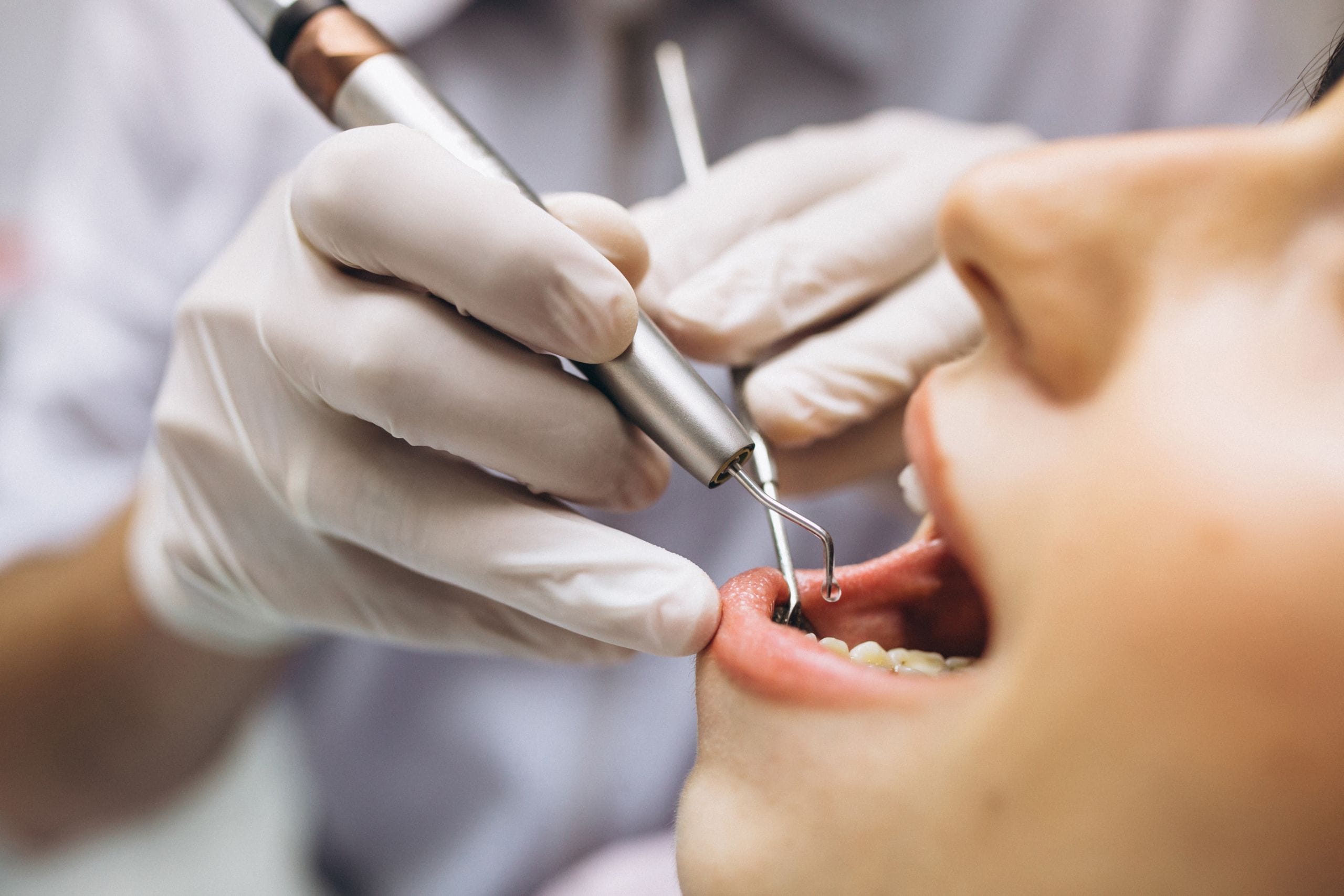
• Tooth Pain But No Cavity? Here’s What Could Be Going On

    Woke up with a sharp toothache — but your dentist says there’s no cavity? You’re not alone. At KAA Dentals, we often meet patients who experience dental pain with no obvious decay. The truth is, not all tooth pain is caused by cavities.

    In fact, there are several less obvious but equally important reasons why your tooth might hurt — and ignoring the pain can lead to bigger issues down the line.


    1. Receding Gums
    As gums pull back, they expose the sensitive part of your tooth called dentin. This can cause pain, especially when eating hot, cold, or sweet foods.
    Common with: Overbrushing, ageing, gum disease
    Tip: Use a soft-bristled toothbrush and see your dentist for gum health advice.

    2. Cracked Tooth Syndrome
    Sometimes a tooth has a tiny fracture that’s hard to spot — even on an X-ray. You may feel sharp pain when biting or chewing

    Why it matters: Cracks can worsen if left untreated and might need a crown or even root canal later

    Case Insight: We once had a patient with a mysterious ache for months. The issue? A hairline crack near a molar filling. A timely crown saved the tooth.

    3. Tooth Grinding (Bruxism)
    You might be grinding (Bruxism) or clenching your teeth in your sleep — without even realising it. This creates pressure and pain, especially in the morning.
    Often linked with: Stress, misaligned bite, sleep issues
    Solution: A custom nightguard from your dentist can offer relief and protect your enamel.

    4. Sinus Infection
    Believe it or not, sinus issues can cause upper tooth pain. When your sinuses are inflamed or infected, the pressure can radiate to your upper jaw.
    Clue: Pain in multiple upper teeth, along with congestion or a stuffy nose
    Tip: If cold/flu symptoms accompany the ache, consider seeing your GP too.

    5. Gum Infection (Even Without Visible Swelling)

    Early-stage gum infections can cause dull, persistent pain — even if your teeth look “fine.” You might not see blood or swelling yet, but your gums could be inflamed.

    What to do: Schedule a periodontal check-up. Early intervention prevents long-term gum damage.

    6. Impacted or Emerging Wisdom Teeth

    If you still have your wisdom teeth, they might be pushing against other teeth or growing at an awkward angle, causing referred pain.
    Often felt as: Pressure, soreness in the back of the mouth
    Solution: A panoramic X-ray can help us see what’s going on beneath the surface.

    7. Overuse of Whitening Products

    Some over-the-counter whitening strips and gels can cause sensitivity and discomfort — especially if used too often or incorrectly.
    Tip: Always consult a dentist before using at-home whitening kits. At KAA Dentals, we offer professional teeth whitening that’s safer and more controlled.

    Read more: https://kaadentals.co.uk/blogs/tooth-pain-but-no-cavity-heres-what-could-be-going-on/.

    #Tredegardentist

    #Dentistintredegar

    #dentalclinicnearTredegar

    #EmergencydentistinTredegar

    #AffordabledentistinTredegar

    #Mountainashdentist

    #Dentistinbargoed

    #MerthyrTydfildentist

    #Dentistinaberdare

    Tooth Pain But No Cavity? Here’s What Could Be Going On Woke up with a sharp toothache — but your dentist says there’s no cavity? You’re not alone. At KAA Dentals, we often meet patients who experience dental pain with no obvious decay. The truth is, not all tooth pain is caused by cavities. In fact, there are several less obvious but equally important reasons why your tooth might hurt — and ignoring the pain can lead to bigger issues down the line. 1. Receding Gums As gums pull back, they expose the sensitive part of your tooth called dentin. This can cause pain, especially when eating hot, cold, or sweet foods. Common with: Overbrushing, ageing, gum disease Tip: Use a soft-bristled toothbrush and see your dentist for gum health advice. 2. Cracked Tooth Syndrome Sometimes a tooth has a tiny fracture that’s hard to spot — even on an X-ray. You may feel sharp pain when biting or chewing Why it matters: Cracks can worsen if left untreated and might need a crown or even root canal later Case Insight: We once had a patient with a mysterious ache for months. The issue? A hairline crack near a molar filling. A timely crown saved the tooth. 3. Tooth Grinding (Bruxism) You might be grinding (Bruxism) or clenching your teeth in your sleep — without even realising it. This creates pressure and pain, especially in the morning. Often linked with: Stress, misaligned bite, sleep issues Solution: A custom nightguard from your dentist can offer relief and protect your enamel. 4. Sinus Infection Believe it or not, sinus issues can cause upper tooth pain. When your sinuses are inflamed or infected, the pressure can radiate to your upper jaw. Clue: Pain in multiple upper teeth, along with congestion or a stuffy nose Tip: If cold/flu symptoms accompany the ache, consider seeing your GP too. 5. Gum Infection (Even Without Visible Swelling) Early-stage gum infections can cause dull, persistent pain — even if your teeth look “fine.” You might not see blood or swelling yet, but your gums could be inflamed. What to do: Schedule a periodontal check-up. Early intervention prevents long-term gum damage. 6. Impacted or Emerging Wisdom Teeth If you still have your wisdom teeth, they might be pushing against other teeth or growing at an awkward angle, causing referred pain. Often felt as: Pressure, soreness in the back of the mouth Solution: A panoramic X-ray can help us see what’s going on beneath the surface. 7. Overuse of Whitening Products Some over-the-counter whitening strips and gels can cause sensitivity and discomfort — especially if used too often or incorrectly. Tip: Always consult a dentist before using at-home whitening kits. At KAA Dentals, we offer professional teeth whitening that’s safer and more controlled. Read more: https://kaadentals.co.uk/blogs/tooth-pain-but-no-cavity-heres-what-could-be-going-on/. #Tredegardentist #Dentistintredegar #dentalclinicnearTredegar #EmergencydentistinTredegar #AffordabledentistinTredegar #Mountainashdentist #Dentistinbargoed #MerthyrTydfildentist #Dentistinaberdare
    KAADENTALS.CO.UK
    Tooth Pain But No Cavity? Here’s What Could Be Going On
    Woke up with a sharp toothache — but your dentist says there’s no cavity? You're not alone. At KAA Dentals, we often meet patients who experience dental pain with no obvious decay. The truth is, not all tooth pain is caused by cavities.In fact, there are several less obvious but equally important reasons why your
    0 Комментарии 0 Поделились 999 Просмотры
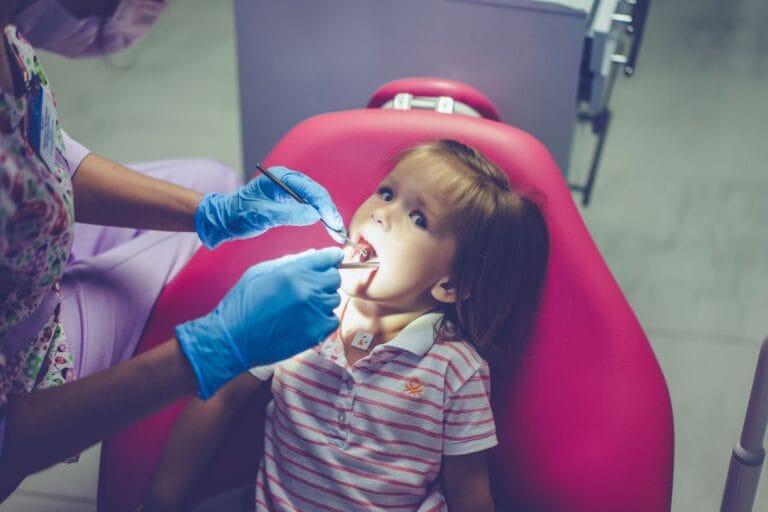
  • A Guide to Pediatric Dentistry: When Should Your Child First Visit the Dentist?

    As a parent, you want the best for your child—from their first steps to their first tooth. But when it comes to dental care, many parents are unsure when to start. Should you wait until all their baby teeth come in? Or is there a right time to make that first dental appointment? The truth is, early dental visits can make a world of difference in your child’s long-term oral health. So, let’s explore why getting an early start matters, and when exactly your child should see the dentist for the first time.


    When Should Your Child First See the Dentist?

    The general rule of thumb from pediatric dentists is that your child should have their first dental visit by their first birthday or when their first tooth erupts—whichever comes first. Yes, it might seem early, but those baby teeth are important! Not only do they help with eating and speaking, but they also hold space in the jaw for permanent teeth.

    Getting an early start with dental visits can help set your child up for a lifetime of healthy habits and prevent bigger issues down the road.

    Why Is an Early Visit So Important?

    Many parents assume they can wait until all of their child’s baby teeth have come in before seeing a dentist, but here’s why starting earlier is better:

    Detect Issues Early

    An early dental visit gives your child’s dentist the chance to spot potential problems before they turn into bigger issues. Things like cavities, teething concerns, or even developmental issues with the jaw and teeth can be detected early and managed.

    Establish Healthy Habits

    Your child’s first dental visit is as much about education for you as it is for them. The dentist will guide you on how to care for your baby’s teeth and gums, what to watch for as they grow, and how to avoid common problems like bottle tooth decay.

    Get Your Child Comfortable with Dental Visits

    Starting early helps your child become familiar with the dentist’s office. It builds trust and reduces any fear or anxiety they might have later. The first visit is typically short and sweet—an opportunity for your child to meet the dentist, sit in the chair, and maybe even get a fun reward!

    What to Expect at Your Child’s First Dental Visit

    The first dental appointment is usually quick and easy. The dentist will check your baby’s teeth (if they have any!) and gums to make sure everything is developing normally. Here’s what you can expect:

    A gentle exam of your child’s mouth to check for early signs of cavities or other issues.

    Advice on oral hygiene, including how to clean your baby’s gums and teeth at home.

    Tips on teething, pacifier use, and thumb-sucking, which can all affect your baby’s oral development.

    Diet recommendations for promoting healthy teeth and gums, including advice on reducing sugary snacks and drinks.

    Most importantly, it’s a chance for you to ask any questions or raise concerns you have about your child’s dental health.

    How Often Should Your Child Visit the Dentist?

    After the first visit, it’s recommended that your child see the dentist every six months. Regular check-ups allow the dentist to monitor the growth and development of your child’s teeth and catch any issues before they become serious.

    Caring for Your Baby’s Teeth at Home

    Good dental hygiene starts even before your baby’s teeth come in. Here’s how to care for your child’s teeth from the start:

    For infants, gently wipe their gums with a soft, damp cloth after feedings to keep their mouths clean.

    As teeth begin to emerge, use a soft-bristled, infant-sized toothbrush with a smear of fluoride toothpaste (about the size of a grain of rice).

    Avoid sugary drinks and prolonged bottle use, especially at night, to prevent cavities.

    Encourage healthy eating habits, as what your child eats affects their teeth. Stick to whole foods and avoid sugary snacks as much as possible.

    Your child’s first dental visit is a big milestone, and getting an early start on oral health is one of the best things you can do to ensure their teeth and gums stay healthy for years to come. The earlier you introduce your child to the dentist, the more comfortable they’ll be with routine visits as they grow. Plus, you’ll get peace of mind knowing their smile is off to a healthy start.

    If your child hasn’t had their first dental visit yet, there’s no better time than now to schedule one. A lifetime of healthy smiles begins with that first trip to the dentist!


    Read more: https://kaadentals.co.uk/blogs/a-guide-to-pediatric-dentistry-when-should-your-child-first-visit-the-dentist/


    #Tredegardentist
    #Dentistintredegar
    #dentalclinicnearTredegar
    #EmergencydentistinTredegar
    #AffordabledentistinTredegar
    #Mountainashdentist
    #Dentistinbargoed
    #MerthyrTydfildentist
    #Dentistinaberdare
    #Dentistryservices
    A Guide to Pediatric Dentistry: When Should Your Child First Visit the Dentist? As a parent, you want the best for your child—from their first steps to their first tooth. But when it comes to dental care, many parents are unsure when to start. Should you wait until all their baby teeth come in? Or is there a right time to make that first dental appointment? The truth is, early dental visits can make a world of difference in your child’s long-term oral health. So, let’s explore why getting an early start matters, and when exactly your child should see the dentist for the first time. When Should Your Child First See the Dentist? The general rule of thumb from pediatric dentists is that your child should have their first dental visit by their first birthday or when their first tooth erupts—whichever comes first. Yes, it might seem early, but those baby teeth are important! Not only do they help with eating and speaking, but they also hold space in the jaw for permanent teeth. Getting an early start with dental visits can help set your child up for a lifetime of healthy habits and prevent bigger issues down the road. Why Is an Early Visit So Important? Many parents assume they can wait until all of their child’s baby teeth have come in before seeing a dentist, but here’s why starting earlier is better: Detect Issues Early An early dental visit gives your child’s dentist the chance to spot potential problems before they turn into bigger issues. Things like cavities, teething concerns, or even developmental issues with the jaw and teeth can be detected early and managed. Establish Healthy Habits Your child’s first dental visit is as much about education for you as it is for them. The dentist will guide you on how to care for your baby’s teeth and gums, what to watch for as they grow, and how to avoid common problems like bottle tooth decay. Get Your Child Comfortable with Dental Visits Starting early helps your child become familiar with the dentist’s office. It builds trust and reduces any fear or anxiety they might have later. The first visit is typically short and sweet—an opportunity for your child to meet the dentist, sit in the chair, and maybe even get a fun reward! What to Expect at Your Child’s First Dental Visit The first dental appointment is usually quick and easy. The dentist will check your baby’s teeth (if they have any!) and gums to make sure everything is developing normally. Here’s what you can expect: A gentle exam of your child’s mouth to check for early signs of cavities or other issues. Advice on oral hygiene, including how to clean your baby’s gums and teeth at home. Tips on teething, pacifier use, and thumb-sucking, which can all affect your baby’s oral development. Diet recommendations for promoting healthy teeth and gums, including advice on reducing sugary snacks and drinks. Most importantly, it’s a chance for you to ask any questions or raise concerns you have about your child’s dental health. How Often Should Your Child Visit the Dentist? After the first visit, it’s recommended that your child see the dentist every six months. Regular check-ups allow the dentist to monitor the growth and development of your child’s teeth and catch any issues before they become serious. Caring for Your Baby’s Teeth at Home Good dental hygiene starts even before your baby’s teeth come in. Here’s how to care for your child’s teeth from the start: For infants, gently wipe their gums with a soft, damp cloth after feedings to keep their mouths clean. As teeth begin to emerge, use a soft-bristled, infant-sized toothbrush with a smear of fluoride toothpaste (about the size of a grain of rice). Avoid sugary drinks and prolonged bottle use, especially at night, to prevent cavities. Encourage healthy eating habits, as what your child eats affects their teeth. Stick to whole foods and avoid sugary snacks as much as possible. Your child’s first dental visit is a big milestone, and getting an early start on oral health is one of the best things you can do to ensure their teeth and gums stay healthy for years to come. The earlier you introduce your child to the dentist, the more comfortable they’ll be with routine visits as they grow. Plus, you’ll get peace of mind knowing their smile is off to a healthy start. If your child hasn’t had their first dental visit yet, there’s no better time than now to schedule one. A lifetime of healthy smiles begins with that first trip to the dentist! Read more: https://kaadentals.co.uk/blogs/a-guide-to-pediatric-dentistry-when-should-your-child-first-visit-the-dentist/ #Tredegardentist #Dentistintredegar #dentalclinicnearTredegar #EmergencydentistinTredegar #AffordabledentistinTredegar #Mountainashdentist #Dentistinbargoed #MerthyrTydfildentist #Dentistinaberdare #Dentistryservices
    KAADENTALS.CO.UK
    A Guide to Pediatric Dentistry: When Should Your Child First Visit the Dentist?
    Understand when is the right time to make the first dental appointment for your child which can help set your child up for a lifetime of healthy habits.
    0 Комментарии 0 Поделились 1Кб Просмотры
  • Tooth Pain But No Cavity? Here’s What Could Be Going On

    Woke up with a sharp toothache — but your dentist says there’s no cavity? You’re not alone. At KAA Dentals, we often meet patients who experience dental pain with no obvious decay. The truth is, not all tooth pain is caused by cavities.
    In fact, there are several less obvious but equally important reasons why your tooth might hurt — and ignoring the pain can lead to bigger issues down the line.
    1. Receding Gums
    As gums pull back, they expose the sensitive part of your tooth called dentin. This can cause pain, especially when eating hot, cold, or sweet foods.
    Common with: Overbrushing, ageing, gum disease
    Tip: Use a soft-bristled toothbrush and see your dentist for gum health advice.
    2. Cracked Tooth Syndrome
    Sometimes a tooth has a tiny fracture that’s hard to spot — even on an X-ray. You may feel sharp pain when biting or chewing
    Why it matters: Cracks can worsen if left untreated and might need a crown or even root canal later
    Case Insight: We once had a patient with a mysterious ache for months. The issue? A hairline crack near a molar filling. A timely crown saved the tooth.
    3. Tooth Grinding (Bruxism)
    You might be grinding (Bruxism) or clenching your teeth in your sleep — without even realising it. This creates pressure and pain, especially in the morning.
    Often linked with: Stress, misaligned bite, sleep issues
    Solution: A custom nightguard from your dentist can offer relief and protect your enamel.
    4. Sinus Infection
    Believe it or not, sinus issues can cause upper tooth pain. When your sinuses are inflamed or infected, the pressure can radiate to your upper jaw.
    Clue: Pain in multiple upper teeth, along with congestion or a stuffy nose
    Tip: If cold/flu symptoms accompany the ache, consider seeing your GP too.
    5. Gum Infection (Even Without Visible Swelling)
    Early-stage gum infections can cause dull, persistent pain — even if your teeth look “fine.” You might not see blood or swelling yet, but your gums could be inflamed.
    What to do: Schedule a periodontal check-up. Early intervention prevents long-term gum damage.
    6. Impacted or Emerging Wisdom Teeth
    If you still have your wisdom teeth, they might be pushing against other teeth or growing at an awkward angle, causing referred pain.
    Often felt as: Pressure, soreness in the back of the mouth
    Solution: A panoramic X-ray can help us see what’s going on beneath the surface.
    7. Overuse of Whitening Products
    Some over-the-counter whitening strips and gels can cause sensitivity and discomfort — especially if used too often or incorrectly.
    Tip: Always consult a dentist before using at-home whitening kits. At KAA Dentals, we offer professional teeth whitening that’s safer and more controlled.


    Read more: https://kaadentals.co.uk/blogs/tooth-pain-but-no-cavity-heres-what-could-be-going-on/.


    #Tredegardentist
    #Dentistintredegar
    #dentalclinicnearTredegar
    #EmergencydentistinTredegar
    #AffordabledentistinTredegar
    #Mountainashdentist
    #Dentistinbargoed
    #MerthyrTydfildentist
    #Dentistinaberdare
    #Dentistryservices


    Tooth Pain But No Cavity? Here’s What Could Be Going On Woke up with a sharp toothache — but your dentist says there’s no cavity? You’re not alone. At KAA Dentals, we often meet patients who experience dental pain with no obvious decay. The truth is, not all tooth pain is caused by cavities. In fact, there are several less obvious but equally important reasons why your tooth might hurt — and ignoring the pain can lead to bigger issues down the line. 1. Receding Gums As gums pull back, they expose the sensitive part of your tooth called dentin. This can cause pain, especially when eating hot, cold, or sweet foods. Common with: Overbrushing, ageing, gum disease Tip: Use a soft-bristled toothbrush and see your dentist for gum health advice. 2. Cracked Tooth Syndrome Sometimes a tooth has a tiny fracture that’s hard to spot — even on an X-ray. You may feel sharp pain when biting or chewing Why it matters: Cracks can worsen if left untreated and might need a crown or even root canal later Case Insight: We once had a patient with a mysterious ache for months. The issue? A hairline crack near a molar filling. A timely crown saved the tooth. 3. Tooth Grinding (Bruxism) You might be grinding (Bruxism) or clenching your teeth in your sleep — without even realising it. This creates pressure and pain, especially in the morning. Often linked with: Stress, misaligned bite, sleep issues Solution: A custom nightguard from your dentist can offer relief and protect your enamel. 4. Sinus Infection Believe it or not, sinus issues can cause upper tooth pain. When your sinuses are inflamed or infected, the pressure can radiate to your upper jaw. Clue: Pain in multiple upper teeth, along with congestion or a stuffy nose Tip: If cold/flu symptoms accompany the ache, consider seeing your GP too. 5. Gum Infection (Even Without Visible Swelling) Early-stage gum infections can cause dull, persistent pain — even if your teeth look “fine.” You might not see blood or swelling yet, but your gums could be inflamed. What to do: Schedule a periodontal check-up. Early intervention prevents long-term gum damage. 6. Impacted or Emerging Wisdom Teeth If you still have your wisdom teeth, they might be pushing against other teeth or growing at an awkward angle, causing referred pain. Often felt as: Pressure, soreness in the back of the mouth Solution: A panoramic X-ray can help us see what’s going on beneath the surface. 7. Overuse of Whitening Products Some over-the-counter whitening strips and gels can cause sensitivity and discomfort — especially if used too often or incorrectly. Tip: Always consult a dentist before using at-home whitening kits. At KAA Dentals, we offer professional teeth whitening that’s safer and more controlled. Read more: https://kaadentals.co.uk/blogs/tooth-pain-but-no-cavity-heres-what-could-be-going-on/. #Tredegardentist #Dentistintredegar #dentalclinicnearTredegar #EmergencydentistinTredegar #AffordabledentistinTredegar #Mountainashdentist #Dentistinbargoed #MerthyrTydfildentist #Dentistinaberdare #Dentistryservices
    KAADENTALS.CO.UK
    Tooth Pain But No Cavity? Here’s What Could Be Going On
    Woke up with a sharp toothache — but your dentist says there’s no cavity? You're not alone. At KAA Dentals, we often meet patients who experience dental pain with no obvious decay. The truth is, not all tooth pain is caused by cavities.In fact, there are several less obvious but equally important reasons why your
    0 Комментарии 0 Поделились 1Кб Просмотры
  • Over-the-Counter Dental Products: Which Ones Are Actually Worth It?

    You walk into Boots or browse Amazon, and suddenly you’re flooded with choices: whitening strips, tongue scrapers, fancy mouthwashes, and charcoal toothpaste that promises a “Hollywood smile.” But do they actually work — or are you just paying for nice packaging?
    As dentists, we get asked this all the time. So, let’s break down the most popular over-the-counter dental products and tell you what’s genuinely worth your money (and what to skip).
    Whitening Strips – Do They Really Work?
    Short answer: Yes, but only if used correctly.
    Whitening strips like Crest 3D Whitestrips (commonly shipped from the US) or UK-approved brands like Smile Science do have active ingredients (like hydrogen peroxide) that lift surface stains. But here’s the catch: they won’t work miracles on deep stains or dental work like crowns or veneers.
    Worth it if: You have mild staining from tea, coffee, or smoking and want a short-term boost. Not worth it if: You expect dramatic results or have sensitive teeth — they can worsen it.
    Charcoal Toothpaste – Trendy, But Does It Do Anything?
    Charcoal toothpaste is all over TikTok and Instagram — but as dentists, we’re not fans. Charcoal is abrasive. It might make your teeth “feel” cleaner, but in the long run, it can wear down enamel and make your teeth look more yellow.
    Only worth it: As an occasional polish (if the paste is low-abrasion and dentist-approved). Not worth it: As a daily toothpaste or whitening solution.
    Electric Toothbrush vs Manual – Is It Worth the Upgrade?
    100% yes. Electric toothbrushes, especially ones like Oral-B Pro 3 or Philips Sonicare, provide more consistent cleaning, better plaque removal, and often have pressure sensors to protect your gums.
    Worth it: For nearly everyone, especially if you struggle with proper brushing technique. Only skip if: You’re an exceptional manual brusher with no oral health issues (rare).
    Mouthwash – Necessary or Overrated?
    This one’s nuanced. Mouthwash isn’t a magic solution, but it can be helpful if you pick the right one.
    Fluoride mouthwashes (like Listerine Total Care or Colgate Fluorigard) can help strengthen enamel.
    Chlorhexidine rinses (like Corsodyl) help with gum issues but shouldn’t be used long-term unless advised.
    Worth it: As a supplement to brushing/flossing, especially for high-risk patients. Not worth it: As a replacement for brushing. Ever.
    Tongue Scrapers – Overkill or Essential?
    Surprisingly useful! Bacteria and debris on your tongue can lead to bad breath. A tongue scraper (metal or silicone) helps keep your mouth fresher than brushing alone.
    Worth it: For patients with halitosis (bad breath) or dry mouth. Not worth it: If you already brush your tongue well and have no issues.
    Sensitive Toothpaste – Is It Just a Marketing Gimmick?
    Brands like Sensodyne, Colgate Pro-Relief, or Oral-B Sensitive are clinically proven to reduce sensitivity over time. Look for ones with potassium nitrate or stannous fluoride.
    Worth it: If you feel pain with cold/hot foods or brushing. Not worth it: If you don’t have any symptoms — it won’t hurt, but you might not need it.

    Read more: https://kaadentals.co.uk/blogs/over-the-counter-dental-products-are-they-worth-it/

    #oralhygiene
    #dentalcare
    #dentalhealthtips
    #mountainashdentist


    Over-the-Counter Dental Products: Which Ones Are Actually Worth It? You walk into Boots or browse Amazon, and suddenly you’re flooded with choices: whitening strips, tongue scrapers, fancy mouthwashes, and charcoal toothpaste that promises a “Hollywood smile.” But do they actually work — or are you just paying for nice packaging? As dentists, we get asked this all the time. So, let’s break down the most popular over-the-counter dental products and tell you what’s genuinely worth your money (and what to skip). Whitening Strips – Do They Really Work? Short answer: Yes, but only if used correctly. Whitening strips like Crest 3D Whitestrips (commonly shipped from the US) or UK-approved brands like Smile Science do have active ingredients (like hydrogen peroxide) that lift surface stains. But here’s the catch: they won’t work miracles on deep stains or dental work like crowns or veneers. Worth it if: You have mild staining from tea, coffee, or smoking and want a short-term boost. Not worth it if: You expect dramatic results or have sensitive teeth — they can worsen it. Charcoal Toothpaste – Trendy, But Does It Do Anything? Charcoal toothpaste is all over TikTok and Instagram — but as dentists, we’re not fans. Charcoal is abrasive. It might make your teeth “feel” cleaner, but in the long run, it can wear down enamel and make your teeth look more yellow. Only worth it: As an occasional polish (if the paste is low-abrasion and dentist-approved). Not worth it: As a daily toothpaste or whitening solution. Electric Toothbrush vs Manual – Is It Worth the Upgrade? 100% yes. Electric toothbrushes, especially ones like Oral-B Pro 3 or Philips Sonicare, provide more consistent cleaning, better plaque removal, and often have pressure sensors to protect your gums. Worth it: For nearly everyone, especially if you struggle with proper brushing technique. Only skip if: You’re an exceptional manual brusher with no oral health issues (rare). Mouthwash – Necessary or Overrated? This one’s nuanced. Mouthwash isn’t a magic solution, but it can be helpful if you pick the right one. Fluoride mouthwashes (like Listerine Total Care or Colgate Fluorigard) can help strengthen enamel. Chlorhexidine rinses (like Corsodyl) help with gum issues but shouldn’t be used long-term unless advised. Worth it: As a supplement to brushing/flossing, especially for high-risk patients. Not worth it: As a replacement for brushing. Ever. Tongue Scrapers – Overkill or Essential? Surprisingly useful! Bacteria and debris on your tongue can lead to bad breath. A tongue scraper (metal or silicone) helps keep your mouth fresher than brushing alone. Worth it: For patients with halitosis (bad breath) or dry mouth. Not worth it: If you already brush your tongue well and have no issues. Sensitive Toothpaste – Is It Just a Marketing Gimmick? Brands like Sensodyne, Colgate Pro-Relief, or Oral-B Sensitive are clinically proven to reduce sensitivity over time. Look for ones with potassium nitrate or stannous fluoride. Worth it: If you feel pain with cold/hot foods or brushing. Not worth it: If you don’t have any symptoms — it won’t hurt, but you might not need it. Read more: https://kaadentals.co.uk/blogs/over-the-counter-dental-products-are-they-worth-it/ #oralhygiene #dentalcare #dentalhealthtips #mountainashdentist
    KAADENTALS.CO.UK
    Over-the-Counter Dental Products: Which Ones Are Actually Worth It?
    Wondering which over-the-counter dental products are worth the money? Our dentists review whitening strips, mouthwash, charcoal toothpaste and more.
    0 Комментарии 0 Поделились 1Кб Просмотры
  • Dental Treatment for Nervous Patients at KAA Dentals
    Going to the dentist is something that can terrify many people, most notably those dental anxious patients. The anticipation of pain, unhappy memories, or even the unusual setting can induce anxiety. Here at KAA Dentals,we make sure that comfort is our key concern and what we strive for is a gentle, reassuring setting in which fearful patients feel more than comfortable.

    Whether you are looking for the best dentist near me or want an affordable dentist in aberdare, we know your worries and are here to make your experience easy and stress-free. If you are a nervous patient requiring attention, this is how KAA Dentals puts you at ease while receiving dental treatment.

    Understanding Dental Anxiety Where You’re Not Alone

    Dental fear is more prevalent than you may realize. Most of the people have some level of fear when they are going to the dentist, and others have dental phobia. If you’ve been putting off dental care because of fear, then you’re not alone and there are solutions to make your visit much more comfortable.

    At KAA Dentals, Our team is trained and specialized in treating nervous patients with a patient-friendly and gentle approach. If you’re seeking a dentist in Aberdare or a dentist in Bargoed, our staff is here to give you caring care that makes you feel safe and in control from start to finish.

    How Will We Make Anxious Patients Feel at Ease

    1. A Friendly & Welcoming Atmosphere
    As soon as you enter KAA Dentals, we want you to feel comfortable and relaxed. Our staff provides a soothing welcome and friendly atmosphere to ease tension. Soft lighting, soothing music, and comfortable seating all go towards a stress-free waiting area.

    2. Simple Communication & Trust
    Fear of the unknown is one of the most prominent causes of dental anxiety. We will take time which is needed to discuss each step of your procedure before we start so that you are stress-free. We guide you through what you are going to go through, respond to all your questions, and ensure that you are comfortable with the procedure before we proceed.

    3. Painless Methods
    Modern dentistry is now virtually painless. KAA Dentals has a team that believes in accommodating modern methods and technologies to ease the pains of dental treatment. Be it a routine examination or an intricate procedure, we are careful, gentle, and patient to guarantee you are comfortable through every process.

    4. Sedation Dentistry for Added Comfort
    Sedation techniques are provided for those patients who are especially anxious and need to make the experience as relaxing as possible. We tailor sedation according to your needs, be it mild sedatives that help you relax or stronger ones for deep sedation, making sure even the most fearful patients can sit through their care without fear.

    5. Take it at Your Pace
    None of our anxious patients are ever rushed. If you need extra time to feel comfortable before starting a procedure, we respect that. You control each and every appointment, with breaks said as often as necessary to ensure your comfort.

    6. Relaxation Techniques
    We offer different types of distraction methods like TV programming, calming music, or guided breathing exercises to assist in keeping your mind away from the procedure. Reliance on relaxation methods can help a great deal in how you feel during your appointment.

    7. Supportive Aftercare & Follow-Ups
    Our care doesn’t end when your dental work is done. We give you clear aftercare instructions and follow up to make sure you are healing well and feeling good about your visit. Establishing trust and long-term comfort with dental visits is our goal.

    How to Overcome Dental Anxiety

    If you’re fearful of visiting the dentist and have become somewhat reluctant to go, then take the first step that is contacting. We welcome patients in booking a consultation, even if it’s just to talk there is no obligation and procedures it would be just a friendly conversation about your fears and how we can assist.

    We are convinced that all individuals should be able to access quality care in a comfortable and secure setting. If you’ve been looking for the best dentist near me or an affordable dentist in aberdare, KAA Dentals KAA Dentals continues to strive to make your experience hassle-free.


    Read more: https://kaadentals.co.uk/blogs/dental-treatment-for-nervous-patients-at-kaa-dentals/.


    #bestdentalclinicinmountainash

    #mountainashdentist

    #AffordabledentistnearAberdare

    #AffordableDentistinbargoed

    #dentistsinmerthyrtydfil

    #dentistsnearmerthyrtydfil

    #dentalclinicsnearmerthyrtydfil

    #KAADentPrime

    Dental Treatment for Nervous Patients at KAA Dentals Going to the dentist is something that can terrify many people, most notably those dental anxious patients. The anticipation of pain, unhappy memories, or even the unusual setting can induce anxiety. Here at KAA Dentals,we make sure that comfort is our key concern and what we strive for is a gentle, reassuring setting in which fearful patients feel more than comfortable. Whether you are looking for the best dentist near me or want an affordable dentist in aberdare, we know your worries and are here to make your experience easy and stress-free. If you are a nervous patient requiring attention, this is how KAA Dentals puts you at ease while receiving dental treatment. Understanding Dental Anxiety Where You’re Not Alone Dental fear is more prevalent than you may realize. Most of the people have some level of fear when they are going to the dentist, and others have dental phobia. If you’ve been putting off dental care because of fear, then you’re not alone and there are solutions to make your visit much more comfortable. At KAA Dentals, Our team is trained and specialized in treating nervous patients with a patient-friendly and gentle approach. If you’re seeking a dentist in Aberdare or a dentist in Bargoed, our staff is here to give you caring care that makes you feel safe and in control from start to finish. How Will We Make Anxious Patients Feel at Ease 1. A Friendly & Welcoming Atmosphere As soon as you enter KAA Dentals, we want you to feel comfortable and relaxed. Our staff provides a soothing welcome and friendly atmosphere to ease tension. Soft lighting, soothing music, and comfortable seating all go towards a stress-free waiting area. 2. Simple Communication & Trust Fear of the unknown is one of the most prominent causes of dental anxiety. We will take time which is needed to discuss each step of your procedure before we start so that you are stress-free. We guide you through what you are going to go through, respond to all your questions, and ensure that you are comfortable with the procedure before we proceed. 3. Painless Methods Modern dentistry is now virtually painless. KAA Dentals has a team that believes in accommodating modern methods and technologies to ease the pains of dental treatment. Be it a routine examination or an intricate procedure, we are careful, gentle, and patient to guarantee you are comfortable through every process. 4. Sedation Dentistry for Added Comfort Sedation techniques are provided for those patients who are especially anxious and need to make the experience as relaxing as possible. We tailor sedation according to your needs, be it mild sedatives that help you relax or stronger ones for deep sedation, making sure even the most fearful patients can sit through their care without fear. 5. Take it at Your Pace None of our anxious patients are ever rushed. If you need extra time to feel comfortable before starting a procedure, we respect that. You control each and every appointment, with breaks said as often as necessary to ensure your comfort. 6. Relaxation Techniques We offer different types of distraction methods like TV programming, calming music, or guided breathing exercises to assist in keeping your mind away from the procedure. Reliance on relaxation methods can help a great deal in how you feel during your appointment. 7. Supportive Aftercare & Follow-Ups Our care doesn’t end when your dental work is done. We give you clear aftercare instructions and follow up to make sure you are healing well and feeling good about your visit. Establishing trust and long-term comfort with dental visits is our goal. How to Overcome Dental Anxiety If you’re fearful of visiting the dentist and have become somewhat reluctant to go, then take the first step that is contacting. We welcome patients in booking a consultation, even if it’s just to talk there is no obligation and procedures it would be just a friendly conversation about your fears and how we can assist. We are convinced that all individuals should be able to access quality care in a comfortable and secure setting. If you’ve been looking for the best dentist near me or an affordable dentist in aberdare, KAA Dentals KAA Dentals continues to strive to make your experience hassle-free. Read more: https://kaadentals.co.uk/blogs/dental-treatment-for-nervous-patients-at-kaa-dentals/. #bestdentalclinicinmountainash #mountainashdentist #AffordabledentistnearAberdare #AffordableDentistinbargoed #dentistsinmerthyrtydfil #dentistsnearmerthyrtydfil #dentalclinicsnearmerthyrtydfil #KAADentPrime
    KAADENTALS.CO.UK
    Dental Treatment for Nervous Patients at KAA Dentals
    If you are a nervous patient and require care and attention at the time of treatment, The Team of KAA Dentals puts you at ease while receiving dental treatment.
    0 Комментарии 0 Поделились 1Кб Просмотры
  • Why regular dental check-ups are essential
    While maintaining daily oral hygiene is crucial, regular dental check-ups are just as important for keeping your teeth and gums in top shape. These routine visits help prevent a wide range of issues that may otherwise go unnoticed until they become serious problems. Here’s why scheduling regular dental check-ups is key to your oral health.

    1. Preventing cavities and tooth decay

    Even with diligent brushing and flossing, plaque can still build up in areas that are difficult to reach. Over time, this plaque hardens into tartar, which can lead to cavities and decay if left untreated. Regular dental cleanings remove both plaque and tartar, preventing tooth decay and keeping your teeth healthy.

    2. Early detection of gum disease
    Gum disease often progresses silently, showing few symptoms until it’s advanced. Regular dental check-ups allow for early detection of gum disease before it causes serious damage to your gums and teeth. Your dentist can identify signs of gingivitis, the early stage of gum disease, and provide treatment to prevent its progression.


    3. Screening for oral cancer

    Oral cancer is a serious and potentially life-threatening condition if not caught early. During your check-up, your dentist will screen for any signs of oral cancer, including unusual sores, lumps, or discolouration in the mouth. Early detection can greatly increase the chances of successful treatment.


    4. Identifying hidden dental issues

    Not all dental problems are visible to the naked eye. Issues like impacted teeth, bone decay, or cysts can only be detected through X-rays. Regular check-ups include diagnostic imaging to identify these hidden issues early, allowing for timely treatment before they worsen.

    5. Maintaining overall health

    Your oral health is closely linked to your overall well-being. Conditions like heart disease and diabetes have been linked to poor oral hygiene. Regular dental check-ups can help you maintain good oral health, reducing the risk of complications related to these systemic diseases


    6. Personalised advice and care

    During your check-up, your dentist can provide personalised advice based on your unique needs, lifestyle, and dental health. Whether it’s guidance on improving your oral hygiene routine or addressing concerns like teeth grinding or sensitivity, regular visits ensure you receive tailored care.

    Routine dental check-ups are about more than just maintaining a clean smile—they’re vital for your overall health. By scheduling regular appointments, you can prevent common dental issues, detect problems early, and ensure your oral health remains in excellent condition.

    Routine dental check-ups are about more than just maintaining a clean smile—they’re vital for your overall health. By scheduling regular appointments, you can prevent common dental issues, detect problems early, and ensure your oral health remains in excellent condition.

    Read more: https://kaadentals.co.uk/blogs/why-regular-dental-check-ups-are-essential/

    #bestdentistinmountainash

    #bestdentalhospitalinmountainash

    #mountainashdentist

    #dentistinAberdare

    #EmergencydentistAberdare

    #EmergencydentistnearAberdare

    #AffordabledentistinAberdare

    #dentistnearAberdare

    #KAAdentprime

    #ScaleandpolishinAberdare

    #oralhygieneaberdare

    #dentalservicesaberdare

    #dentalclinicnearaberdare

    #dentalservicesinaberdare

    #hygieneappointmentsinaberdare


    Why regular dental check-ups are essential While maintaining daily oral hygiene is crucial, regular dental check-ups are just as important for keeping your teeth and gums in top shape. These routine visits help prevent a wide range of issues that may otherwise go unnoticed until they become serious problems. Here’s why scheduling regular dental check-ups is key to your oral health. 1. Preventing cavities and tooth decay Even with diligent brushing and flossing, plaque can still build up in areas that are difficult to reach. Over time, this plaque hardens into tartar, which can lead to cavities and decay if left untreated. Regular dental cleanings remove both plaque and tartar, preventing tooth decay and keeping your teeth healthy. 2. Early detection of gum disease Gum disease often progresses silently, showing few symptoms until it’s advanced. Regular dental check-ups allow for early detection of gum disease before it causes serious damage to your gums and teeth. Your dentist can identify signs of gingivitis, the early stage of gum disease, and provide treatment to prevent its progression. 3. Screening for oral cancer Oral cancer is a serious and potentially life-threatening condition if not caught early. During your check-up, your dentist will screen for any signs of oral cancer, including unusual sores, lumps, or discolouration in the mouth. Early detection can greatly increase the chances of successful treatment. 4. Identifying hidden dental issues Not all dental problems are visible to the naked eye. Issues like impacted teeth, bone decay, or cysts can only be detected through X-rays. Regular check-ups include diagnostic imaging to identify these hidden issues early, allowing for timely treatment before they worsen. 5. Maintaining overall health Your oral health is closely linked to your overall well-being. Conditions like heart disease and diabetes have been linked to poor oral hygiene. Regular dental check-ups can help you maintain good oral health, reducing the risk of complications related to these systemic diseases 6. Personalised advice and care During your check-up, your dentist can provide personalised advice based on your unique needs, lifestyle, and dental health. Whether it’s guidance on improving your oral hygiene routine or addressing concerns like teeth grinding or sensitivity, regular visits ensure you receive tailored care. Routine dental check-ups are about more than just maintaining a clean smile—they’re vital for your overall health. By scheduling regular appointments, you can prevent common dental issues, detect problems early, and ensure your oral health remains in excellent condition. Routine dental check-ups are about more than just maintaining a clean smile—they’re vital for your overall health. By scheduling regular appointments, you can prevent common dental issues, detect problems early, and ensure your oral health remains in excellent condition. Read more: https://kaadentals.co.uk/blogs/why-regular-dental-check-ups-are-essential/ #bestdentistinmountainash #bestdentalhospitalinmountainash #mountainashdentist #dentistinAberdare #EmergencydentistAberdare #EmergencydentistnearAberdare #AffordabledentistinAberdare #dentistnearAberdare #KAAdentprime #ScaleandpolishinAberdare #oralhygieneaberdare #dentalservicesaberdare #dentalclinicnearaberdare #dentalservicesinaberdare #hygieneappointmentsinaberdare
    0 Комментарии 0 Поделились 2Кб Просмотры
  • Toothache at Night? Here’s How to Get Quick Relief

    It always seems to strike when your dentist’s closed — that nagging, sharp, or throbbing pain that keeps you from sleeping. A toothache at night may hurt more because there’s less distraction, and all sensations are intensified at night. Nighttime toothache, whether dull throb or jolt of shock, is more than merely unpleasant; it’s a sign that something must be taken care of.
    In this article, we will talk about what can be the reason behind your pain, what you can do immediately to improve it, and whether you should go to the emergency dentist or not. Plus, we’ll cover natural remedies people use at home for temporary comfort.
    Why Toothaches Feel Worse at Night
    There’s a reason your tooth might throb more after sundown:
    Lying down increases blood pressure to your head, which can increase pressure and pain.
    There are fewer distractions at night, so you’re more aware of discomfort.
    Clenching or grinding during sleep can make underlying problems worse
    You might have a hidden infection or cavity that only now becomes noticeable.
    Common Causes of Nighttime Toothache
    Understanding the cause helps you manage the pain better. Here are a few possible reasons:
    Tooth decay or cavities
    Infected or abscessed tooth
    Gum disease or recession
    Impacted wisdom teeth
    Cracked or broken teeth
    Sinus pressure or infections
    Recent dental procedures causing sensitivity
    Immediate Relief Tips for Toothache at Night
    If you’re in pain and can’t sleep, try these steps to ease your discomfort until you can see a dentist:
    Take Over-the-Counter Pain Relief
    Paracetamol or ibuprofen (if safe for you) can help reduce inflammation and dull the pain. Avoid aspirin directly on gums — it may cause burns.
    Rinse with Warm Salt Water
    A salt water rinse will serve to lower bacteria and ease tender gums. Use half a teaspoon of salt and a glassful of warm water and rinse softly.
    Apply a Cold Compress
    A cold pack or wrapped ice on your cheek (outside, not directly on the tooth) can reduce swelling and numb the pain. Use it in 10-minute intervals.
    Keep Your Head Elevated
    Sleeping with your head slightly raised may help reduce blood pressure in the affected area and minimise throbbing pain.
    Natural Home Remedies That Might Help
    While these are not a replacement for proper dental care, some people find short-term relief with natural solutions:
    Garlic
    Garlic has powerful antibacterial properties. Crush a clove and apply it gently to the sore area — its natural compounds may help fight infection.
    Peppermint Tea
    Maintain a damp peppermint old tea bag in the refrigerator and place it against the gum. Peppermint triggers a pain-free numbing sensation and includes antibacterial properties.
    Guava Leaves
    Chew and boil guava leaves and use them to create a rinse. Guava leaves include anti-inflammatory and antimicrobial components that would decrease pain and bacteria.
    Wheatgrass
    Wheatgrass juice is normally employed as a mouth wash due to its antibacterial properties. It destroys bacteria and stimulates healing.
    When to See a Dentist
    Temporary relief is great — but if your toothache continues for more than a day or gets worse, it’s time to act. Don’t wait if you experience:
    Swelling around your jaw or face
    Fever or chills
    Sharp pain that doesn’t go away
    Bad taste in your mouth (possible sign of pus)
    Difficulty swallowing or breathing

    These could signal a serious infection, such as a dental abscess, and need emergency dental care.
    Read more: https://kaadentals.co.uk/blogs/toothache-at-night-heres-how-to-get-quick-relief/.

    #dentistinbargoed
    #affordabledentistinaberdare
    #emergencydentistbargoed
    #affordabledentistinmerthyrtydfil
    #mountainashdentist
    #toothache
    #dentistryservices
    #cosmeticdentistry

    Toothache at Night? Here’s How to Get Quick Relief It always seems to strike when your dentist’s closed — that nagging, sharp, or throbbing pain that keeps you from sleeping. A toothache at night may hurt more because there’s less distraction, and all sensations are intensified at night. Nighttime toothache, whether dull throb or jolt of shock, is more than merely unpleasant; it’s a sign that something must be taken care of. In this article, we will talk about what can be the reason behind your pain, what you can do immediately to improve it, and whether you should go to the emergency dentist or not. Plus, we’ll cover natural remedies people use at home for temporary comfort. Why Toothaches Feel Worse at Night There’s a reason your tooth might throb more after sundown: Lying down increases blood pressure to your head, which can increase pressure and pain. There are fewer distractions at night, so you’re more aware of discomfort. Clenching or grinding during sleep can make underlying problems worse You might have a hidden infection or cavity that only now becomes noticeable. Common Causes of Nighttime Toothache Understanding the cause helps you manage the pain better. Here are a few possible reasons: Tooth decay or cavities Infected or abscessed tooth Gum disease or recession Impacted wisdom teeth Cracked or broken teeth Sinus pressure or infections Recent dental procedures causing sensitivity Immediate Relief Tips for Toothache at Night If you’re in pain and can’t sleep, try these steps to ease your discomfort until you can see a dentist: Take Over-the-Counter Pain Relief Paracetamol or ibuprofen (if safe for you) can help reduce inflammation and dull the pain. Avoid aspirin directly on gums — it may cause burns. Rinse with Warm Salt Water A salt water rinse will serve to lower bacteria and ease tender gums. Use half a teaspoon of salt and a glassful of warm water and rinse softly. Apply a Cold Compress A cold pack or wrapped ice on your cheek (outside, not directly on the tooth) can reduce swelling and numb the pain. Use it in 10-minute intervals. Keep Your Head Elevated Sleeping with your head slightly raised may help reduce blood pressure in the affected area and minimise throbbing pain. Natural Home Remedies That Might Help While these are not a replacement for proper dental care, some people find short-term relief with natural solutions: Garlic Garlic has powerful antibacterial properties. Crush a clove and apply it gently to the sore area — its natural compounds may help fight infection. Peppermint Tea Maintain a damp peppermint old tea bag in the refrigerator and place it against the gum. Peppermint triggers a pain-free numbing sensation and includes antibacterial properties. Guava Leaves Chew and boil guava leaves and use them to create a rinse. Guava leaves include anti-inflammatory and antimicrobial components that would decrease pain and bacteria. Wheatgrass Wheatgrass juice is normally employed as a mouth wash due to its antibacterial properties. It destroys bacteria and stimulates healing. When to See a Dentist Temporary relief is great — but if your toothache continues for more than a day or gets worse, it’s time to act. Don’t wait if you experience: Swelling around your jaw or face Fever or chills Sharp pain that doesn’t go away Bad taste in your mouth (possible sign of pus) Difficulty swallowing or breathing These could signal a serious infection, such as a dental abscess, and need emergency dental care. Read more: https://kaadentals.co.uk/blogs/toothache-at-night-heres-how-to-get-quick-relief/. #dentistinbargoed #affordabledentistinaberdare #emergencydentistbargoed #affordabledentistinmerthyrtydfil #mountainashdentist #toothache #dentistryservices #cosmeticdentistry
    KAADENTALS.CO.UK
    Toothache at Night? Here’s How to Get Quick Relief
    Struggling with nighttime tooth pain? Discover effective home remedies and tips to soothe discomfort and get better sleep until you can see a dentist.
    0 Комментарии 0 Поделились 2Кб Просмотры
  • Signs you need a root canal: Don’t ignore these symptoms

    Tooth pain is not just painful; it is also the body’s method of letting you know that something is wrong. Sometimes, it’s a simple fix. Other times, it could mean you need a root canal.


    At KAA Dentals, we know that “root canal” sounds intimidating, but catching the signs early can make all the difference.

    Modern treatments are quick, comfortable, and designed to save your natural tooth.

    This is what to watch out for and why the correct care at the correct time matters.

    What is a root canal?

    A root canal is a treatment by which one can save a cracked or infected tooth. There is a soft structure known as the pulp within your tooth; if it is infected, it must be removed in order to prevent pain and other damage.

    Root canals now are as fast, effective, and painless as old-fashioned fillings.

    Top Signs You Might Need a Root Canal

    Here are some clear warning signs you shouldn’t ignore:

    1. Persistent Tooth Pain
    If you’re feeling deep, throbbing pain that doesn’t go away, even when you’re not eating. It could mean the infection has reached the tooth’s nerve.

    2.Sensitivity to Hot or Cold That Lingers
    It’s normal to feel a quick twinge now and then.But if you’re wincing every time you sip tea or eat ice cream and the pain lingers for minutes. Then it could point to nerve damage.

    3.Tooth Discolouration
    A tooth turning grey, dark yellow, or brown could mean the inside is dying.This often happens when the blood supply is affected by trauma or infection.

    4.Swollen or Tender Gums
    Swelling, tenderness, or even a small pimple-like bump on your gum could be a sign of infection leaking from the root.

    5. Deep Decay or Cracked Tooth
    If decay has reached deep into the tooth or if a tooth is badly cracked,bacteria can enter and infect the pulp, making a root canal necessary.

    Why It’s Important Not to Delay

    Dental infections don’t heal on their own.

    Delaying treatment could lead to:

    Worsening pain

    Spreading infection

    Tooth loss

    More complex (and costly) treatments later on


    Early action means simpler treatment and better outcomes. Many patients who catch the signs early are surprised at how easy the procedure actually is!

    Root Canal Treatments Today: Easier Than You Think

    Forget the scary stories. At KAA Dentals:

    We use modern techniques that minimise discomfort.

    Treatment is typically completed in one or two appointments.

    Most patients return to normal activities the next day.


    Root canals today are more like rescuing a tooth, not suffering through it.

    What We Do Differently at KAA Dentals

    We know a root canal can sound daunting.

    That’s why we focus on:

    Gentle, step-by-step explanations

    Pain management options tailored to you

    Creating a calm, relaxed environment right here in Wales


    You’re never just a number to us, you’re a person who deserves clear information and confident care.

    Read more: https://kaadentals.co.uk/blogs/signs-you-need-a-root-canal-dont-ignore-these-symptoms/.

    #Rootcanaltreatment

    #dentistinbargoed

    #affordabledentistinbargoed

    #mountainashdentist

    #dentistsinmerthyrtydfil

    #dentistryservices

    #othodonticcare

    #dentalclincnearmerthyrtydfil

    #dentaltreatments


    Signs you need a root canal: Don’t ignore these symptoms Tooth pain is not just painful; it is also the body’s method of letting you know that something is wrong. Sometimes, it’s a simple fix. Other times, it could mean you need a root canal. At KAA Dentals, we know that “root canal” sounds intimidating, but catching the signs early can make all the difference. Modern treatments are quick, comfortable, and designed to save your natural tooth. This is what to watch out for and why the correct care at the correct time matters. What is a root canal? A root canal is a treatment by which one can save a cracked or infected tooth. There is a soft structure known as the pulp within your tooth; if it is infected, it must be removed in order to prevent pain and other damage. Root canals now are as fast, effective, and painless as old-fashioned fillings. Top Signs You Might Need a Root Canal Here are some clear warning signs you shouldn’t ignore: 1. Persistent Tooth Pain If you’re feeling deep, throbbing pain that doesn’t go away, even when you’re not eating. It could mean the infection has reached the tooth’s nerve. 2.Sensitivity to Hot or Cold That Lingers It’s normal to feel a quick twinge now and then.But if you’re wincing every time you sip tea or eat ice cream and the pain lingers for minutes. Then it could point to nerve damage. 3.Tooth Discolouration A tooth turning grey, dark yellow, or brown could mean the inside is dying.This often happens when the blood supply is affected by trauma or infection. 4.Swollen or Tender Gums Swelling, tenderness, or even a small pimple-like bump on your gum could be a sign of infection leaking from the root. 5. Deep Decay or Cracked Tooth If decay has reached deep into the tooth or if a tooth is badly cracked,bacteria can enter and infect the pulp, making a root canal necessary. Why It’s Important Not to Delay Dental infections don’t heal on their own. Delaying treatment could lead to: Worsening pain Spreading infection Tooth loss More complex (and costly) treatments later on Early action means simpler treatment and better outcomes. Many patients who catch the signs early are surprised at how easy the procedure actually is! Root Canal Treatments Today: Easier Than You Think Forget the scary stories. At KAA Dentals: We use modern techniques that minimise discomfort. Treatment is typically completed in one or two appointments. Most patients return to normal activities the next day. Root canals today are more like rescuing a tooth, not suffering through it. What We Do Differently at KAA Dentals We know a root canal can sound daunting. That’s why we focus on: Gentle, step-by-step explanations Pain management options tailored to you Creating a calm, relaxed environment right here in Wales You’re never just a number to us, you’re a person who deserves clear information and confident care. Read more: https://kaadentals.co.uk/blogs/signs-you-need-a-root-canal-dont-ignore-these-symptoms/. #Rootcanaltreatment #dentistinbargoed #affordabledentistinbargoed #mountainashdentist #dentistsinmerthyrtydfil #dentistryservices #othodonticcare #dentalclincnearmerthyrtydfil #dentaltreatments
    KAADENTALS.CO.UK
    Signs you need a root canal: Don’t ignore these symptoms
    Tooth pain, swelling, or sensitivity? Discover signs you need root canal treatment. At KAA Dentals, we offer expert, gentle care to restore your smile.
    0 Комментарии 0 Поделились 1Кб Просмотры