


Optimizing Your Office Floor Plan for Productivity and Efficiency
An effective office floor plan is essential for fostering productivity, collaboration, and employee well-being. The right layout can enhance workflow, improve communication, and create a comfortable environment for employees. Whether designing a new office or optimizing an existing space, understanding the key elements of an efficient office floor plan is crucial.
Key Considerations in Designing an Office Floor Plan
When creating an office floor plan, several factors must be taken into account to ensure maximum functionality:
Space Allocation: Proper distribution of workspaces, meeting rooms, common areas, and private offices is vital for balancing collaboration and focused work.
Flexibility and Scalability: A well-designed layout should accommodate future growth and changing work styles, allowing for easy reconfiguration.
Employee Comfort: Ergonomic furniture, adequate lighting, ventilation, and noise control are essential for employee well-being.
Technology Integration: Ensuring seamless connectivity, power outlets, and digital collaboration tools in strategic locations enhances efficiency.
Accessibility and Safety: Clear pathways, emergency exits, and compliance with workplace safety regulations should be prioritized.
Popular Office Floor Plan Layouts
Different office layouts cater to various work styles and organizational needs. Some of the most common office floor plans include:
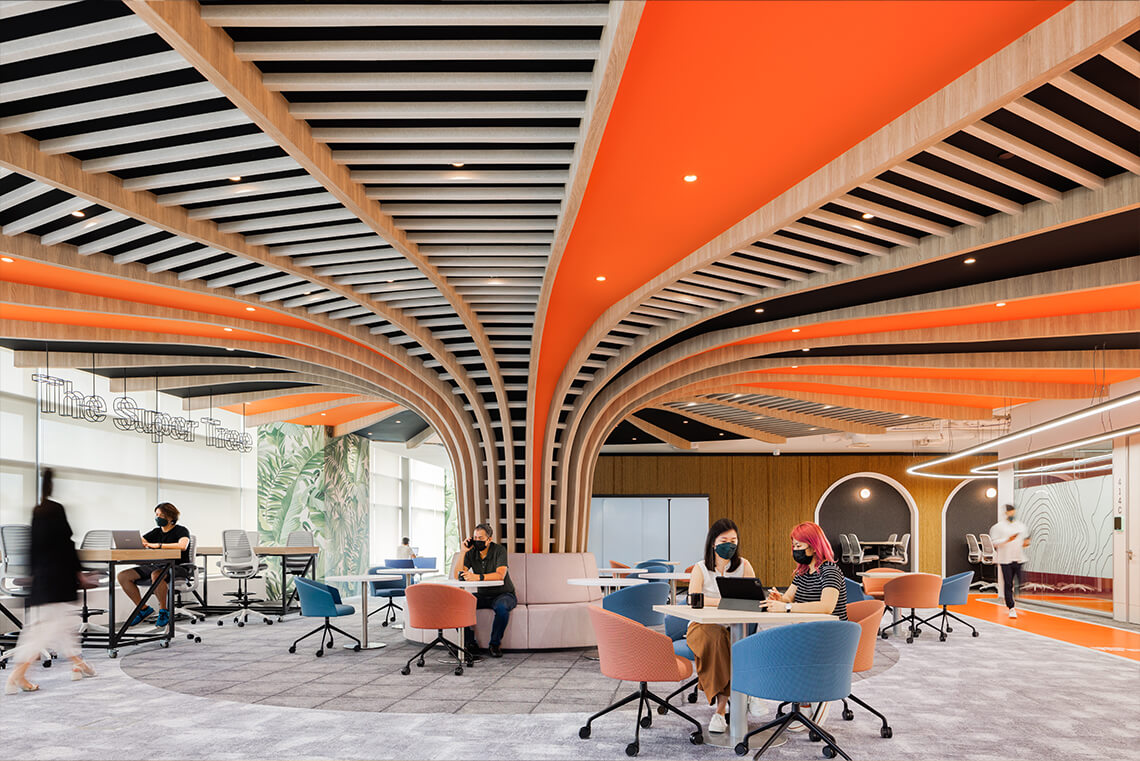
Open Office Layout: Encourages collaboration with shared workspaces and minimal partitions. Ideal for creative and fast-paced environments but may require noise control solutions.
Cubicle Office Layout: Provides employees with individual workstations for privacy and focus while maintaining an open feel.
Private Office Layout: Suitable for executives and roles requiring confidentiality, ensuring minimal distractions.
Hybrid Office Layout: Combines open spaces, private areas, and collaborative zones to cater to diverse work styles.
Activity-Based Layout: Offers different spaces for specific tasks, such as quiet rooms, brainstorming lounges, and standing desks.
Benefits of an Efficient Office Floor Plan
Investing in a well-structured office floor plan brings several advantages:
Enhanced Productivity: A layout that supports workflow and minimizes distractions leads to increased efficiency.
Improved Collaboration: Thoughtfully designed common areas and meeting spaces encourage teamwork and idea-sharing.
Better Employee Satisfaction: A comfortable and aesthetically pleasing workspace boosts morale and job satisfaction.
Optimized Space Utilization: Smart planning prevents wasted space and maximizes functionality.
Cost Efficiency: A well-planned office reduces unnecessary real estate expenses and operational costs.
Conclusion
A well-designed office floor plan is key to creating a productive, comfortable, and efficient workplace. By considering factors such as space allocation, flexibility, employee comfort, and technology, businesses can optimize their office layouts for long-term success. Whether opting for an open layout, private offices, or a hybrid approach, the goal should always be to create an environment that enhances work performance and employee well-being.
Looking to redesign your office space? Consult with an expert to create a customized office floor plan that meets your business needs!
https://www.dbb.com/best-office-layout-design/
An effective office floor plan is essential for fostering productivity, collaboration, and employee well-being. The right layout can enhance workflow, improve communication, and create a comfortable environment for employees. Whether designing a new office or optimizing an existing space, understanding the key elements of an efficient office floor plan is crucial.
Key Considerations in Designing an Office Floor Plan
When creating an office floor plan, several factors must be taken into account to ensure maximum functionality:
Space Allocation: Proper distribution of workspaces, meeting rooms, common areas, and private offices is vital for balancing collaboration and focused work.
Flexibility and Scalability: A well-designed layout should accommodate future growth and changing work styles, allowing for easy reconfiguration.
Employee Comfort: Ergonomic furniture, adequate lighting, ventilation, and noise control are essential for employee well-being.
Technology Integration: Ensuring seamless connectivity, power outlets, and digital collaboration tools in strategic locations enhances efficiency.
Accessibility and Safety: Clear pathways, emergency exits, and compliance with workplace safety regulations should be prioritized.
Popular Office Floor Plan Layouts
Different office layouts cater to various work styles and organizational needs. Some of the most common office floor plans include:
Open Office Layout: Encourages collaboration with shared workspaces and minimal partitions. Ideal for creative and fast-paced environments but may require noise control solutions.
Cubicle Office Layout: Provides employees with individual workstations for privacy and focus while maintaining an open feel.
Private Office Layout: Suitable for executives and roles requiring confidentiality, ensuring minimal distractions.
Hybrid Office Layout: Combines open spaces, private areas, and collaborative zones to cater to diverse work styles.
Activity-Based Layout: Offers different spaces for specific tasks, such as quiet rooms, brainstorming lounges, and standing desks.
Benefits of an Efficient Office Floor Plan
Investing in a well-structured office floor plan brings several advantages:
Enhanced Productivity: A layout that supports workflow and minimizes distractions leads to increased efficiency.
Improved Collaboration: Thoughtfully designed common areas and meeting spaces encourage teamwork and idea-sharing.
Better Employee Satisfaction: A comfortable and aesthetically pleasing workspace boosts morale and job satisfaction.
Optimized Space Utilization: Smart planning prevents wasted space and maximizes functionality.
Cost Efficiency: A well-planned office reduces unnecessary real estate expenses and operational costs.
Conclusion
A well-designed office floor plan is key to creating a productive, comfortable, and efficient workplace. By considering factors such as space allocation, flexibility, employee comfort, and technology, businesses can optimize their office layouts for long-term success. Whether opting for an open layout, private offices, or a hybrid approach, the goal should always be to create an environment that enhances work performance and employee well-being.
Looking to redesign your office space? Consult with an expert to create a customized office floor plan that meets your business needs!
https://www.dbb.com/best-office-layout-design/
Optimizing Your Office Floor Plan for Productivity and Efficiency
An effective office floor plan is essential for fostering productivity, collaboration, and employee well-being. The right layout can enhance workflow, improve communication, and create a comfortable environment for employees. Whether designing a new office or optimizing an existing space, understanding the key elements of an efficient office floor plan is crucial.
Key Considerations in Designing an Office Floor Plan
When creating an office floor plan, several factors must be taken into account to ensure maximum functionality:
Space Allocation: Proper distribution of workspaces, meeting rooms, common areas, and private offices is vital for balancing collaboration and focused work.
Flexibility and Scalability: A well-designed layout should accommodate future growth and changing work styles, allowing for easy reconfiguration.
Employee Comfort: Ergonomic furniture, adequate lighting, ventilation, and noise control are essential for employee well-being.
Technology Integration: Ensuring seamless connectivity, power outlets, and digital collaboration tools in strategic locations enhances efficiency.
Accessibility and Safety: Clear pathways, emergency exits, and compliance with workplace safety regulations should be prioritized.
Popular Office Floor Plan Layouts
Different office layouts cater to various work styles and organizational needs. Some of the most common office floor plans include:
Open Office Layout: Encourages collaboration with shared workspaces and minimal partitions. Ideal for creative and fast-paced environments but may require noise control solutions.
Cubicle Office Layout: Provides employees with individual workstations for privacy and focus while maintaining an open feel.
Private Office Layout: Suitable for executives and roles requiring confidentiality, ensuring minimal distractions.
Hybrid Office Layout: Combines open spaces, private areas, and collaborative zones to cater to diverse work styles.
Activity-Based Layout: Offers different spaces for specific tasks, such as quiet rooms, brainstorming lounges, and standing desks.
Benefits of an Efficient Office Floor Plan
Investing in a well-structured office floor plan brings several advantages:
Enhanced Productivity: A layout that supports workflow and minimizes distractions leads to increased efficiency.
Improved Collaboration: Thoughtfully designed common areas and meeting spaces encourage teamwork and idea-sharing.
Better Employee Satisfaction: A comfortable and aesthetically pleasing workspace boosts morale and job satisfaction.
Optimized Space Utilization: Smart planning prevents wasted space and maximizes functionality.
Cost Efficiency: A well-planned office reduces unnecessary real estate expenses and operational costs.
Conclusion
A well-designed office floor plan is key to creating a productive, comfortable, and efficient workplace. By considering factors such as space allocation, flexibility, employee comfort, and technology, businesses can optimize their office layouts for long-term success. Whether opting for an open layout, private offices, or a hybrid approach, the goal should always be to create an environment that enhances work performance and employee well-being.
Looking to redesign your office space? Consult with an expert to create a customized office floor plan that meets your business needs!
https://www.dbb.com/best-office-layout-design/


 Arabic
 Français
 Español
 Português
 Deutsch
 Türkçe
 Dutch
Dutch
 Italiano
 Russian
 Romaian
 Portuguese (Brazil)
 Greek
Greek