


-
3 Posts
-
0 Photos
-
Male
-
Followed by 0 people
Search


 Arabic
 Français
 Español
 Português
 Deutsch
 Türkçe
 Dutch
Dutch
 Italiano
 Russian
 Romaian
 Portuguese (Brazil)
 Greek
Greek
Recent Updates
-
Optimizing Your Office Floor Plan for Productivity and Efficiency
An effective office floor plan is essential for fostering productivity, collaboration, and employee well-being. The right layout can enhance workflow, improve communication, and create a comfortable environment for employees. Whether designing a new office or optimizing an existing space, understanding the key elements of an efficient office floor plan is crucial.
Key Considerations in Designing an Office Floor Plan
When creating an office floor plan, several factors must be taken into account to ensure maximum functionality:
Space Allocation: Proper distribution of workspaces, meeting rooms, common areas, and private offices is vital for balancing collaboration and focused work.
Flexibility and Scalability: A well-designed layout should accommodate future growth and changing work styles, allowing for easy reconfiguration.
Employee Comfort: Ergonomic furniture, adequate lighting, ventilation, and noise control are essential for employee well-being.
Technology Integration: Ensuring seamless connectivity, power outlets, and digital collaboration tools in strategic locations enhances efficiency.
Accessibility and Safety: Clear pathways, emergency exits, and compliance with workplace safety regulations should be prioritized.
Popular Office Floor Plan Layouts
Different office layouts cater to various work styles and organizational needs. Some of the most common office floor plans include:
Open Office Layout: Encourages collaboration with shared workspaces and minimal partitions. Ideal for creative and fast-paced environments but may require noise control solutions.
Cubicle Office Layout: Provides employees with individual workstations for privacy and focus while maintaining an open feel.
Private Office Layout: Suitable for executives and roles requiring confidentiality, ensuring minimal distractions.
Hybrid Office Layout: Combines open spaces, private areas, and collaborative zones to cater to diverse work styles.
Activity-Based Layout: Offers different spaces for specific tasks, such as quiet rooms, brainstorming lounges, and standing desks.
Benefits of an Efficient Office Floor Plan
Investing in a well-structured office floor plan brings several advantages:
Enhanced Productivity: A layout that supports workflow and minimizes distractions leads to increased efficiency.
Improved Collaboration: Thoughtfully designed common areas and meeting spaces encourage teamwork and idea-sharing.
Better Employee Satisfaction: A comfortable and aesthetically pleasing workspace boosts morale and job satisfaction.
Optimized Space Utilization: Smart planning prevents wasted space and maximizes functionality.
Cost Efficiency: A well-planned office reduces unnecessary real estate expenses and operational costs.
Conclusion
A well-designed office floor plan is key to creating a productive, comfortable, and efficient workplace. By considering factors such as space allocation, flexibility, employee comfort, and technology, businesses can optimize their office layouts for long-term success. Whether opting for an open layout, private offices, or a hybrid approach, the goal should always be to create an environment that enhances work performance and employee well-being.
Looking to redesign your office space? Consult with an expert to create a customized office floor plan that meets your business needs!
https://www.dbb.com/best-office-layout-design/Optimizing Your Office Floor Plan for Productivity and Efficiency An effective office floor plan is essential for fostering productivity, collaboration, and employee well-being. The right layout can enhance workflow, improve communication, and create a comfortable environment for employees. Whether designing a new office or optimizing an existing space, understanding the key elements of an efficient office floor plan is crucial. Key Considerations in Designing an Office Floor Plan When creating an office floor plan, several factors must be taken into account to ensure maximum functionality: Space Allocation: Proper distribution of workspaces, meeting rooms, common areas, and private offices is vital for balancing collaboration and focused work. Flexibility and Scalability: A well-designed layout should accommodate future growth and changing work styles, allowing for easy reconfiguration. Employee Comfort: Ergonomic furniture, adequate lighting, ventilation, and noise control are essential for employee well-being. Technology Integration: Ensuring seamless connectivity, power outlets, and digital collaboration tools in strategic locations enhances efficiency. Accessibility and Safety: Clear pathways, emergency exits, and compliance with workplace safety regulations should be prioritized. Popular Office Floor Plan Layouts Different office layouts cater to various work styles and organizational needs. Some of the most common office floor plans include: Open Office Layout: Encourages collaboration with shared workspaces and minimal partitions. Ideal for creative and fast-paced environments but may require noise control solutions. Cubicle Office Layout: Provides employees with individual workstations for privacy and focus while maintaining an open feel. Private Office Layout: Suitable for executives and roles requiring confidentiality, ensuring minimal distractions. Hybrid Office Layout: Combines open spaces, private areas, and collaborative zones to cater to diverse work styles. Activity-Based Layout: Offers different spaces for specific tasks, such as quiet rooms, brainstorming lounges, and standing desks. Benefits of an Efficient Office Floor Plan Investing in a well-structured office floor plan brings several advantages: Enhanced Productivity: A layout that supports workflow and minimizes distractions leads to increased efficiency. Improved Collaboration: Thoughtfully designed common areas and meeting spaces encourage teamwork and idea-sharing. Better Employee Satisfaction: A comfortable and aesthetically pleasing workspace boosts morale and job satisfaction. Optimized Space Utilization: Smart planning prevents wasted space and maximizes functionality. Cost Efficiency: A well-planned office reduces unnecessary real estate expenses and operational costs. Conclusion A well-designed office floor plan is key to creating a productive, comfortable, and efficient workplace. By considering factors such as space allocation, flexibility, employee comfort, and technology, businesses can optimize their office layouts for long-term success. Whether opting for an open layout, private offices, or a hybrid approach, the goal should always be to create an environment that enhances work performance and employee well-being. Looking to redesign your office space? Consult with an expert to create a customized office floor plan that meets your business needs! https://www.dbb.com/best-office-layout-design/0 Comments 0 Shares 165 Views1
-
The Benefits of Design and Build Services for Your Next Project
When it comes to construction and renovation, design and build services have become a popular choice for businesses and homeowners alike. This approach streamlines the entire process by combining both design and construction under one contract, ensuring efficiency, cost savings, and a seamless experience.
What Are Design and Build Services?
Design and build services integrate architectural design, engineering, and construction into a single contract. Instead of hiring separate firms for designing and building, a design-build firm handles everything from start to finish. This approach eliminates miscommunication between teams, reducing delays and unexpected costs.
Key Benefits of Design and Build Services
1. Faster Project Completion
With traditional construction methods, projects often face delays due to coordination issues. Design and build services allow for better communication between teams, leading to quicker decision-making and faster project delivery.
2. Cost Savings
By working with one team for both design and construction, businesses can avoid unexpected costs and budget overruns. A single provider is accountable for the entire project, ensuring cost control and better financial planning.
3. Better Collaboration
When architects, engineers, and contractors work together from the beginning, they can identify potential challenges early on and find cost-effective solutions. This collaborative approach enhances efficiency and ensures the final result aligns with the client's vision.
4. Single Point of Responsibility
One of the biggest advantages of design and build services is having a single point of contact. Clients don't have to manage multiple vendors, reducing stress and making the process smoother.
5. Higher Quality Outcomes
With one team managing the entire project, there is better quality control throughout the design and construction phases. This results in a well-executed project with fewer errors and reworks.
Is Design and Build Right for You?
If you're looking for a hassle-free construction or renovation experience, design and build services could be the ideal solution. Whether for office spaces, commercial buildings, or residential projects, this approach ensures efficiency, cost-effectiveness, and a high-quality outcome.
By choosing a reliable design-build firm, you can transform your project vision into reality with minimal delays and maximum efficiency.
https://www.dbb.com/The Benefits of Design and Build Services for Your Next Project When it comes to construction and renovation, design and build services have become a popular choice for businesses and homeowners alike. This approach streamlines the entire process by combining both design and construction under one contract, ensuring efficiency, cost savings, and a seamless experience. What Are Design and Build Services? Design and build services integrate architectural design, engineering, and construction into a single contract. Instead of hiring separate firms for designing and building, a design-build firm handles everything from start to finish. This approach eliminates miscommunication between teams, reducing delays and unexpected costs. Key Benefits of Design and Build Services 1. Faster Project Completion With traditional construction methods, projects often face delays due to coordination issues. Design and build services allow for better communication between teams, leading to quicker decision-making and faster project delivery. 2. Cost Savings By working with one team for both design and construction, businesses can avoid unexpected costs and budget overruns. A single provider is accountable for the entire project, ensuring cost control and better financial planning. 3. Better Collaboration When architects, engineers, and contractors work together from the beginning, they can identify potential challenges early on and find cost-effective solutions. This collaborative approach enhances efficiency and ensures the final result aligns with the client's vision. 4. Single Point of Responsibility One of the biggest advantages of design and build services is having a single point of contact. Clients don't have to manage multiple vendors, reducing stress and making the process smoother. 5. Higher Quality Outcomes With one team managing the entire project, there is better quality control throughout the design and construction phases. This results in a well-executed project with fewer errors and reworks. Is Design and Build Right for You? If you're looking for a hassle-free construction or renovation experience, design and build services could be the ideal solution. Whether for office spaces, commercial buildings, or residential projects, this approach ensures efficiency, cost-effectiveness, and a high-quality outcome. By choosing a reliable design-build firm, you can transform your project vision into reality with minimal delays and maximum efficiency. https://www.dbb.com/0 Comments 0 Shares 113 Views -
Trendy Interior Design Ideas for Singapore’s Commercial Spaces
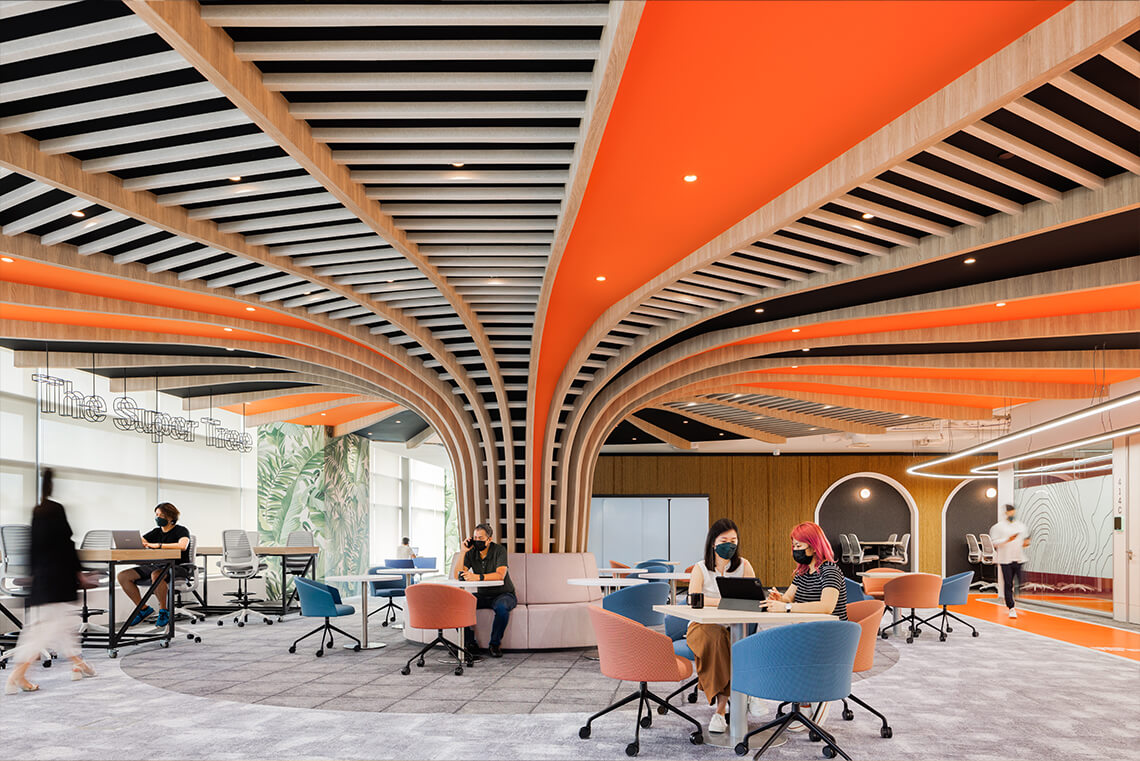
In Singapore’s fast-paced business world, commercial interior design plays a vital role in enhancing productivity, creativity, and brand identity. Here are some of the latest interior design Singapore trends for businesses looking to stay ahead.
Sustainable Designs: Eco-friendly materials, energy-efficient lighting, and indoor plants are becoming key elements in creating a sustainable business environment. Green walls and biophilic design help improve air quality and foster a calming atmosphere.
Flexible Workspaces: With hybrid work models, businesses are embracing open-plan offices and modular furniture to promote collaboration. Flexible workstations and multi-functional spaces are essential for a dynamic work culture.
Smart Technology: Integrating smart tech like automated lighting, climate control, and interactive displays enhances both productivity and customer experience, making businesses more efficient and modern.
Bold Colors: Vibrant hues such as emerald green or deep blue are making a statement in offices and retail spaces, boosting creativity and drawing attention to key products or areas.
Wellness-Focused Spaces: Comfortable, ergonomic furniture and wellness rooms promote employee well-being. Break areas, access to natural light, and lounges create a relaxed, supportive environment.
By adopting these trends, businesses in Singapore can create inspiring, functional spaces that reflect their brand and meet the evolving needs of employees and customers.
https://www.dbb.com/Trendy Interior Design Ideas for Singapore’s Commercial Spaces In Singapore’s fast-paced business world, commercial interior design plays a vital role in enhancing productivity, creativity, and brand identity. Here are some of the latest interior design Singapore trends for businesses looking to stay ahead. Sustainable Designs: Eco-friendly materials, energy-efficient lighting, and indoor plants are becoming key elements in creating a sustainable business environment. Green walls and biophilic design help improve air quality and foster a calming atmosphere. Flexible Workspaces: With hybrid work models, businesses are embracing open-plan offices and modular furniture to promote collaboration. Flexible workstations and multi-functional spaces are essential for a dynamic work culture. Smart Technology: Integrating smart tech like automated lighting, climate control, and interactive displays enhances both productivity and customer experience, making businesses more efficient and modern. Bold Colors: Vibrant hues such as emerald green or deep blue are making a statement in offices and retail spaces, boosting creativity and drawing attention to key products or areas. Wellness-Focused Spaces: Comfortable, ergonomic furniture and wellness rooms promote employee well-being. Break areas, access to natural light, and lounges create a relaxed, supportive environment. By adopting these trends, businesses in Singapore can create inspiring, functional spaces that reflect their brand and meet the evolving needs of employees and customers. https://www.dbb.com/0 Comments 0 Shares 239 Views

More Stories