• SPARK Matrix: Leading Governance, Risk & Compliance (GRC) Platforms Driving Business Resilience
    In today’s digital world, businesses face growing risks from cyber threats, regulatory changes, and operational challenges. To manage these complexities, organizations are adopting Governance, Risk, and Compliance (GRC) platforms. The latest SPARK Matrix™: GRC Platforms, Q2 2025 by QKS Group provides a detailed analysis of this evolving market and highlights the leading technology vendors.
    What is a GRC Platform?
    A GRC platform is a centralized software solution that helps organizations manage governance, risk, and compliance activities in an integrated way. These platforms provide tools to identify risks, ensure regulatory compliance, and improve decision-making across business functions.
    Modern GRC solutions typically include modules for:
    Risk management
    Compliance tracking
    Policy management
    Audit management
    Vendor risk management
    By bringing all these capabilities into a single system, organizations can reduce manual work, improve visibility, and respond quickly to risks.
    About the SPARK Matrix™
    The SPARK Matrix™ is a well-known evaluation framework that analyzes and ranks vendors based on two key parameters:
    • Technology Excellence
    • Customer Impact
    It provides a competitive comparison of leading vendors and helps businesses understand market trends, vendor strengths, and strategic positioning.
    The Q2 2025 report offers deep insights into global market dynamics, emerging technologies, and vendor innovation in the GRC space.
    Key Trends in the GRC Market
    The report highlights several important trends shaping the future of Governance, Risk, and Compliance platforms:
    1. Integration and Centralization
    Organizations are moving away from siloed tools toward unified platforms. A centralized GRC system improves collaboration across departments and ensures consistent risk management practices.
    2. Automation and AI Adoption
    Automation is becoming a core feature in GRC platforms. AI-driven analytics help in identifying risks early, predicting threats, and improving compliance monitoring.
    3. Focus on Real-Time Risk Visibility
    Businesses now demand real-time dashboards and continuous monitoring capabilities. This helps in faster decision-making and proactive risk mitigation.
    4. Regulatory Complexity
    With increasing global regulations, companies need flexible platforms that can adapt to different compliance requirements across regions and industries.
    Vendor Landscape and Competition
    The SPARK Matrix™ evaluates multiple global vendors and ranks them based on their capabilities. Vendors are categorized into leaders, challengers, and emerging players.
    For example, companies like Swiss GRC have been recognized as leaders due to their strong technology capabilities and customer-centric solutions.
    Leading vendors stand out by offering:
    Scalable and modular platforms
    Strong integration capabilities
    Advanced analytics and reporting
    High customization and flexibility
    These features enable organizations to align GRC processes with business goals effectively.
    Why GRC Platforms are Important in 2025
    In 2025, GRC platforms are no longer optional—they are essential. Businesses must deal with increasing cyber risks, data privacy regulations, and operational uncertainties.
    A modern GRC platform helps organizations:
    Reduce compliance risks
    Improve operational efficiency
    Strengthen governance frameworks
    Enhance transparency and accountability
    It also enables a proactive approach to risk management instead of reacting to issues after they occur.
    Conclusion
    The SPARK Matrix™: Governance, Risk, and Compliance Platforms, Q2 2025 by QKS Group provides valuable insights into the current state of the GRC market. It highlights how technology innovation, automation, and integration are transforming the way organizations manage risk and compliance.
    As businesses continue to evolve, adopting a robust GRC platform will be critical for staying compliant, secure, and competitive. Organizations that invest in advanced GRC solutions today will be better prepared to handle future challenges and achieve long-term success
    #GRC #RiskManagement #Compliance #Governance #CyberSecurity #AI #GRC #GovernanceRiskCompliance #GRCPlatform #GRCSoftware #RiskManagement #Compliance #RegTech #AIinGRC #GRC #GovernanceRiskCompliance #GRCPlatform #GRCSoftware #RiskManagement #ComplianceManagement #Riskmanagement #AIinGRC #GRCMarket #RiskAnalytics #CyberRisk
    SPARK Matrix: Leading Governance, Risk & Compliance (GRC) Platforms Driving Business Resilience In today’s digital world, businesses face growing risks from cyber threats, regulatory changes, and operational challenges. To manage these complexities, organizations are adopting Governance, Risk, and Compliance (GRC) platforms. The latest SPARK Matrix™: GRC Platforms, Q2 2025 by QKS Group provides a detailed analysis of this evolving market and highlights the leading technology vendors. What is a GRC Platform? A GRC platform is a centralized software solution that helps organizations manage governance, risk, and compliance activities in an integrated way. These platforms provide tools to identify risks, ensure regulatory compliance, and improve decision-making across business functions. Modern GRC solutions typically include modules for: Risk management Compliance tracking Policy management Audit management Vendor risk management By bringing all these capabilities into a single system, organizations can reduce manual work, improve visibility, and respond quickly to risks. About the SPARK Matrix™ The SPARK Matrix™ is a well-known evaluation framework that analyzes and ranks vendors based on two key parameters: • Technology Excellence • Customer Impact It provides a competitive comparison of leading vendors and helps businesses understand market trends, vendor strengths, and strategic positioning. The Q2 2025 report offers deep insights into global market dynamics, emerging technologies, and vendor innovation in the GRC space. Key Trends in the GRC Market The report highlights several important trends shaping the future of Governance, Risk, and Compliance platforms: 1. Integration and Centralization Organizations are moving away from siloed tools toward unified platforms. A centralized GRC system improves collaboration across departments and ensures consistent risk management practices. 2. Automation and AI Adoption Automation is becoming a core feature in GRC platforms. AI-driven analytics help in identifying risks early, predicting threats, and improving compliance monitoring. 3. Focus on Real-Time Risk Visibility Businesses now demand real-time dashboards and continuous monitoring capabilities. This helps in faster decision-making and proactive risk mitigation. 4. Regulatory Complexity With increasing global regulations, companies need flexible platforms that can adapt to different compliance requirements across regions and industries. Vendor Landscape and Competition The SPARK Matrix™ evaluates multiple global vendors and ranks them based on their capabilities. Vendors are categorized into leaders, challengers, and emerging players. For example, companies like Swiss GRC have been recognized as leaders due to their strong technology capabilities and customer-centric solutions. Leading vendors stand out by offering: Scalable and modular platforms Strong integration capabilities Advanced analytics and reporting High customization and flexibility These features enable organizations to align GRC processes with business goals effectively. Why GRC Platforms are Important in 2025 In 2025, GRC platforms are no longer optional—they are essential. Businesses must deal with increasing cyber risks, data privacy regulations, and operational uncertainties. A modern GRC platform helps organizations: Reduce compliance risks Improve operational efficiency Strengthen governance frameworks Enhance transparency and accountability It also enables a proactive approach to risk management instead of reacting to issues after they occur. Conclusion The SPARK Matrix™: Governance, Risk, and Compliance Platforms, Q2 2025 by QKS Group provides valuable insights into the current state of the GRC market. It highlights how technology innovation, automation, and integration are transforming the way organizations manage risk and compliance. As businesses continue to evolve, adopting a robust GRC platform will be critical for staying compliant, secure, and competitive. Organizations that invest in advanced GRC solutions today will be better prepared to handle future challenges and achieve long-term success #GRC #RiskManagement #Compliance #Governance #CyberSecurity #AI #GRC #GovernanceRiskCompliance #GRCPlatform #GRCSoftware #RiskManagement #Compliance #RegTech #AIinGRC #GRC #GovernanceRiskCompliance #GRCPlatform #GRCSoftware #RiskManagement #ComplianceManagement #Riskmanagement #AIinGRC #GRCMarket #RiskAnalytics #CyberRisk
    0 Commenti 0 condivisioni 49 Views
  • How Businesses Can Reduce Third-Party Risks with Advanced Vendor Risk Management Solutions

    Vendor Risk Management (VRM) has become a critical part of modern enterprise security and governance strategies. As organizations increasingly depend on third-party vendors, managing risks associated with these external partners is no longer optional—it is essential. The latest SPARK Matrix™: Vendor Risk Management, Q4 2025 by QKS Group highlights how the VRM market is evolving with new technologies, automation, and data-driven intelligence.

    Click Here for More: https://qksgroup.com/market-research/spark-matrix-vendor-risk-management-q4-2025-9738

    Vendor Risk Management refers to a structured approach used by organizations to identify, assess, monitor, and reduce risks linked to third-party vendors. These risks can include cybersecurity threats, financial issues, compliance failures, and reputational damage. With the growing complexity of digital ecosystems, businesses are now working with hundreds or even thousands of vendors, making manual risk management processes inefficient and risky.

    The QKS Group’s SPARK Matrix™ provides a detailed analysis of the VRM market by evaluating vendors across two key parameters: technology excellence and customer impact. This framework helps organizations compare different vendors and choose solutions that best align with their business needs.

    One of the key insights from the 2025 report is the increasing adoption of automation and artificial intelligence (AI) in Vendor Risk Management platforms. Modern solutions are designed to automate the entire vendor lifecycle—from onboarding and risk assessment to continuous monitoring and offboarding. These platforms reduce manual workload, improve efficiency, and ensure faster decision-making.

    AI-powered capabilities such as predictive risk scoring, automated evidence validation, and intelligent questionnaires are transforming how organizations manage vendor risks. These features allow companies to identify potential risks early and take proactive actions before issues escalate. For example, advanced Vendor Risk Management solutions can analyze large volumes of vendor data and provide real-time risk insights, enabling better visibility across the entire vendor ecosystem.

    Market Forecast Vendor Risk Management: https://qksgroup.com/market-research/market-forecast-vendor-risk-management-2026-2030-worldwide-2144

    #VendorRiskManagement #VRM #ThirdPartyRiskManagement #TPRM #CyberSecurity #RiskManagement #InformationSecurity #GRC #Compliance #CyberRisk #RiskAssessment
    How Businesses Can Reduce Third-Party Risks with Advanced Vendor Risk Management Solutions Vendor Risk Management (VRM) has become a critical part of modern enterprise security and governance strategies. As organizations increasingly depend on third-party vendors, managing risks associated with these external partners is no longer optional—it is essential. The latest SPARK Matrix™: Vendor Risk Management, Q4 2025 by QKS Group highlights how the VRM market is evolving with new technologies, automation, and data-driven intelligence. Click Here for More: https://qksgroup.com/market-research/spark-matrix-vendor-risk-management-q4-2025-9738 Vendor Risk Management refers to a structured approach used by organizations to identify, assess, monitor, and reduce risks linked to third-party vendors. These risks can include cybersecurity threats, financial issues, compliance failures, and reputational damage. With the growing complexity of digital ecosystems, businesses are now working with hundreds or even thousands of vendors, making manual risk management processes inefficient and risky. The QKS Group’s SPARK Matrix™ provides a detailed analysis of the VRM market by evaluating vendors across two key parameters: technology excellence and customer impact. This framework helps organizations compare different vendors and choose solutions that best align with their business needs. One of the key insights from the 2025 report is the increasing adoption of automation and artificial intelligence (AI) in Vendor Risk Management platforms. Modern solutions are designed to automate the entire vendor lifecycle—from onboarding and risk assessment to continuous monitoring and offboarding. These platforms reduce manual workload, improve efficiency, and ensure faster decision-making. AI-powered capabilities such as predictive risk scoring, automated evidence validation, and intelligent questionnaires are transforming how organizations manage vendor risks. These features allow companies to identify potential risks early and take proactive actions before issues escalate. For example, advanced Vendor Risk Management solutions can analyze large volumes of vendor data and provide real-time risk insights, enabling better visibility across the entire vendor ecosystem. Market Forecast Vendor Risk Management: https://qksgroup.com/market-research/market-forecast-vendor-risk-management-2026-2030-worldwide-2144 #VendorRiskManagement #VRM #ThirdPartyRiskManagement #TPRM #CyberSecurity #RiskManagement #InformationSecurity #GRC #Compliance #CyberRisk #RiskAssessment
    QKSGROUP.COM
    SPARK Matrix?: Vendor Risk Management, Q4 2025
    QKS Group's Vendor Risk Management market research includes a comprehensive analysis of the global m...
    0 Commenti 0 condivisioni 147 Views
  • Security Analytics and Automation Trends You Need to Know in 2026

    In late 2025, QKS Group, a global technology research and advisory firm, published its SPARK Matrix™: Security Analytics and Automation report for Q4 2025. This report offers valuable insights into the evolving market of security analytics and automation tools used by enterprises to protect data, detect threats, and automate response actions.

    Click Here For More: https://qksgroup.com/market-research/spark-matrix-security-analytics-and-automation-q4-2025-9792

    What Is the SPARK Matrix™?

    The SPARK Matrix™ is a proprietary evaluation framework developed by QKS Group. It assesses vendors based on two primary dimensions: technology excellence and customer impact. Technology excellence examines how advanced and innovative a vendor’s solution is, while customer impact measures real‑world usage, adoption, and customer success. Unlike traditional quadrants, SPARK Matrix™ uses a 3×2 grid that offers a more nuanced view of vendor performance in the market.

    By combining detailed research, expert interviews, customer feedback, and quantitative data, the SPARK Matrix™ highlights leaders, contenders, and emerging players in specific technology segments. For security analytics and automation, the report identifies companies that are shaping the future of security operations with analytics‑driven insights and automation workflows.

    Key Focus: Security Analytics and Automation

    Security analytics and automation solutions play a critical role in modern cybersecurity. They help security teams make sense of vast amounts of data generated by networks, endpoints, cloud services, and applications. By using real‑time analytics, machine learning, and automated playbooks, these systems detect threats faster and reduce the time needed to respond to incidents.

    The 2025 SPARK Matrix™ report evaluates how well vendors succeed in combining analytics with automated response capabilities. Security analytics involves gathering and correlating events and signals from across the enterprise, while automation uses predefined or intelligent workflows to take action without manual intervention.

    Leaders and Market Trends

    The 2025 report highlights that Security Vision has emerged as a technology leader in this space. It stands out for offering a unified platform that combines multiple security functions — such as SOAR (Security Orchestration, Automation, and Response), threat intelligence, user behavior analytics (UEBA), vulnerability management, and asset management — into a single solution. This integrated approach helps enterprises improve detection, automate responses, and centralize compliance and governance.

    A key trend identified in the report is the shift toward closed‑loop workflows. These workflows allow systems to not only detect threats but also automatically take corrective actions, such as isolating compromised assets or triggering remediation tasks. Platforms that can ingest raw event data, correlate it with contextual risk information, and then automate a response are gaining traction.

    Another important trend is the integration of analytics with compliance frameworks. Organizations operating in regulated industries increasingly need tools that can align security analytics with regulatory requirements and reporting standards. This adds a layer of business value beyond just threat detection.

    Talk To Analyst: https://qksgroup.com/analyst-briefing?analystId=22&reportId=9792

    Why It Matters

    For IT leaders, CISOs, and security architects, the SPARK Matrix™ Security Analytics and Automation is more than just a ranking: it’s a strategic tool. It helps organizations understand which vendors are truly delivering innovation and which solutions align best with their security goals and operational needs. Whether a company is modernizing its security operations center (SOC) or adopting cloud security best practices, the insights from the Q4 2025 SPARK Matrix™ can guide informed decision‑making.

    #SecurityAnalytics #SecurityAutomation #Cybersecurity #ThreatDetection #SOAR #UEBA #VulnerabilityManagement #CyberRiskManagement #SecurityOrchestration #AutomatedResponse #EnterpriseSecurity #SPARKMatrix2025 #QKSGroup #SecurityOperations #CyberThreatIntelligence
    Security Analytics and Automation Trends You Need to Know in 2026 In late 2025, QKS Group, a global technology research and advisory firm, published its SPARK Matrix™: Security Analytics and Automation report for Q4 2025. This report offers valuable insights into the evolving market of security analytics and automation tools used by enterprises to protect data, detect threats, and automate response actions. Click Here For More: https://qksgroup.com/market-research/spark-matrix-security-analytics-and-automation-q4-2025-9792 What Is the SPARK Matrix™? The SPARK Matrix™ is a proprietary evaluation framework developed by QKS Group. It assesses vendors based on two primary dimensions: technology excellence and customer impact. Technology excellence examines how advanced and innovative a vendor’s solution is, while customer impact measures real‑world usage, adoption, and customer success. Unlike traditional quadrants, SPARK Matrix™ uses a 3×2 grid that offers a more nuanced view of vendor performance in the market. By combining detailed research, expert interviews, customer feedback, and quantitative data, the SPARK Matrix™ highlights leaders, contenders, and emerging players in specific technology segments. For security analytics and automation, the report identifies companies that are shaping the future of security operations with analytics‑driven insights and automation workflows. Key Focus: Security Analytics and Automation Security analytics and automation solutions play a critical role in modern cybersecurity. They help security teams make sense of vast amounts of data generated by networks, endpoints, cloud services, and applications. By using real‑time analytics, machine learning, and automated playbooks, these systems detect threats faster and reduce the time needed to respond to incidents. The 2025 SPARK Matrix™ report evaluates how well vendors succeed in combining analytics with automated response capabilities. Security analytics involves gathering and correlating events and signals from across the enterprise, while automation uses predefined or intelligent workflows to take action without manual intervention. Leaders and Market Trends The 2025 report highlights that Security Vision has emerged as a technology leader in this space. It stands out for offering a unified platform that combines multiple security functions — such as SOAR (Security Orchestration, Automation, and Response), threat intelligence, user behavior analytics (UEBA), vulnerability management, and asset management — into a single solution. This integrated approach helps enterprises improve detection, automate responses, and centralize compliance and governance. A key trend identified in the report is the shift toward closed‑loop workflows. These workflows allow systems to not only detect threats but also automatically take corrective actions, such as isolating compromised assets or triggering remediation tasks. Platforms that can ingest raw event data, correlate it with contextual risk information, and then automate a response are gaining traction. Another important trend is the integration of analytics with compliance frameworks. Organizations operating in regulated industries increasingly need tools that can align security analytics with regulatory requirements and reporting standards. This adds a layer of business value beyond just threat detection. Talk To Analyst: https://qksgroup.com/analyst-briefing?analystId=22&reportId=9792 Why It Matters For IT leaders, CISOs, and security architects, the SPARK Matrix™ Security Analytics and Automation is more than just a ranking: it’s a strategic tool. It helps organizations understand which vendors are truly delivering innovation and which solutions align best with their security goals and operational needs. Whether a company is modernizing its security operations center (SOC) or adopting cloud security best practices, the insights from the Q4 2025 SPARK Matrix™ can guide informed decision‑making. #SecurityAnalytics #SecurityAutomation #Cybersecurity #ThreatDetection #SOAR #UEBA #VulnerabilityManagement #CyberRiskManagement #SecurityOrchestration #AutomatedResponse #EnterpriseSecurity #SPARKMatrix2025 #QKSGroup #SecurityOperations #CyberThreatIntelligence
    QKSGROUP.COM
    SPARK Matrix?: Security Analytics and Automation, Q4 2025
    QKS Group’s Security Analytics and Automation market research includes a detailed analysis of the gl...
    0 Commenti 0 condivisioni 292 Views
  • Supply Chain Control Tower 2026: Driving Real-Time Visibility and Resilience


    The global supply chain landscape in 2025 is more complex and unpredictable than ever before. Businesses are facing disruptions from geopolitical tensions, demand fluctuations, rising costs, and regulatory pressures. To manage these challenges effectively, organizations are increasingly adopting Supply Chain Control Tower (SCCT) solutions. According to the latest QKS Group SPARK Matrix™ report, SCCT platforms have become a critical technology for achieving real-time visibility, intelligent decision-making, and supply chain resilience.

    Click Here For More: https://qksgroup.com/market-research/spark-matrix-supply-chain-control-tower-q4-2025-9562

    What is a Supply Chain Control Tower?

    A Supply Chain Control Tower is a centralized, technology-driven platform that integrates data from multiple supply chain systems such as procurement, logistics, manufacturing, and distribution. It provides a unified view of operations and enables organizations to monitor, analyze, and optimize their supply chain in real time.

    Modern SCCT platforms go beyond simple dashboards. They combine advanced analytics, artificial intelligence (AI), and automation to deliver predictive insights and support faster, data-driven decisions. These platforms help organizations detect disruptions early, simulate possible scenarios, and take proactive actions to minimize risks.

    Key Market Trends in 2025

    The Q4 2025 SPARK Matrix highlights several important trends shaping the SCCT market:

    1. AI-Driven Decision Intelligence
    Artificial intelligence and machine learning are playing a major role in transforming supply chain operations. SCCT platforms use AI to analyze large volumes of data, predict risks, and recommend optimal actions. This improves accuracy in forecasting and enhances operational efficiency.

    2. Digital Twins and Simulation Models
    Digital twin technology is gaining traction in supply chain management. It creates a virtual replica of the supply chain, allowing organizations to test different scenarios and prepare for disruptions. This helps in better planning and improved resilience.

    3. Real-Time End-to-End Visibility
    Organizations are demanding complete visibility across the entire supply chain ecosystem, including suppliers, logistics partners, and distribution networks. SCCT platforms enable real-time tracking and monitoring, ensuring better coordination and faster response to issues.

    4. Autonomous and Self-Correcting Supply Chains
    Future-ready control towers are moving towards automation and autonomy. These systems can automatically identify disruptions and take corrective actions without human intervention, reducing delays and operational costs.

    5. Integrated Collaboration and Workflow Automation
    SCCT solutions are evolving into orchestration platforms that enable seamless collaboration across teams and partners. Automated workflows help in faster issue resolution and improved productivity.

    Market Share Supply Chain Control Tower: https://qksgroup.com/market-research/market-share-supply-chain-control-tower-2025-worldwide-2248

    Market Growth and Adoption

    The Supply Chain Control Tower (SCCT) market is experiencing strong growth due to increasing demand for agility and resilience. Reports suggest that the market is projected to grow at a CAGR of over 13% through 2030, reflecting its rising importance across industries.

    Organizations are investing in SCCT solutions to improve supply chain performance, reduce risks, and enhance customer satisfaction. Industries such as manufacturing, retail, healthcare, and logistics are leading the adoption of these platforms.

    Competitive Landscape

    The SPARK Matrix evaluates leading vendors based on technology excellence and customer impact. Key players in the SCCT market include Blue Yonder, e2open, IBM, Oracle, SAP, Kinaxis, and o9 Solutions. These companies are driving innovation through AI-powered analytics, cloud-based platforms, and advanced orchestration capabilities.

    Each vendor offers unique capabilities, such as predictive analytics, multi-tier visibility, and integrated planning and execution. This competitive landscape helps enterprises choose solutions that align with their business needs.


    #SupplyChain #SupplyChainControlTower #SCCT #SupplyChainManagement #SupplyChainVisibility #DigitalSupplyChain #SupplyChainAnalytics #AIinSupplyChain #Logistics #BusinessResilience #RiskManagement #Automation #PredictiveAnalytics
    Supply Chain Control Tower 2026: Driving Real-Time Visibility and Resilience The global supply chain landscape in 2025 is more complex and unpredictable than ever before. Businesses are facing disruptions from geopolitical tensions, demand fluctuations, rising costs, and regulatory pressures. To manage these challenges effectively, organizations are increasingly adopting Supply Chain Control Tower (SCCT) solutions. According to the latest QKS Group SPARK Matrix™ report, SCCT platforms have become a critical technology for achieving real-time visibility, intelligent decision-making, and supply chain resilience. Click Here For More: https://qksgroup.com/market-research/spark-matrix-supply-chain-control-tower-q4-2025-9562 What is a Supply Chain Control Tower? A Supply Chain Control Tower is a centralized, technology-driven platform that integrates data from multiple supply chain systems such as procurement, logistics, manufacturing, and distribution. It provides a unified view of operations and enables organizations to monitor, analyze, and optimize their supply chain in real time. Modern SCCT platforms go beyond simple dashboards. They combine advanced analytics, artificial intelligence (AI), and automation to deliver predictive insights and support faster, data-driven decisions. These platforms help organizations detect disruptions early, simulate possible scenarios, and take proactive actions to minimize risks. Key Market Trends in 2025 The Q4 2025 SPARK Matrix highlights several important trends shaping the SCCT market: 1. AI-Driven Decision Intelligence Artificial intelligence and machine learning are playing a major role in transforming supply chain operations. SCCT platforms use AI to analyze large volumes of data, predict risks, and recommend optimal actions. This improves accuracy in forecasting and enhances operational efficiency. 2. Digital Twins and Simulation Models Digital twin technology is gaining traction in supply chain management. It creates a virtual replica of the supply chain, allowing organizations to test different scenarios and prepare for disruptions. This helps in better planning and improved resilience. 3. Real-Time End-to-End Visibility Organizations are demanding complete visibility across the entire supply chain ecosystem, including suppliers, logistics partners, and distribution networks. SCCT platforms enable real-time tracking and monitoring, ensuring better coordination and faster response to issues. 4. Autonomous and Self-Correcting Supply Chains Future-ready control towers are moving towards automation and autonomy. These systems can automatically identify disruptions and take corrective actions without human intervention, reducing delays and operational costs. 5. Integrated Collaboration and Workflow Automation SCCT solutions are evolving into orchestration platforms that enable seamless collaboration across teams and partners. Automated workflows help in faster issue resolution and improved productivity. Market Share Supply Chain Control Tower: https://qksgroup.com/market-research/market-share-supply-chain-control-tower-2025-worldwide-2248 Market Growth and Adoption The Supply Chain Control Tower (SCCT) market is experiencing strong growth due to increasing demand for agility and resilience. Reports suggest that the market is projected to grow at a CAGR of over 13% through 2030, reflecting its rising importance across industries. Organizations are investing in SCCT solutions to improve supply chain performance, reduce risks, and enhance customer satisfaction. Industries such as manufacturing, retail, healthcare, and logistics are leading the adoption of these platforms. Competitive Landscape The SPARK Matrix evaluates leading vendors based on technology excellence and customer impact. Key players in the SCCT market include Blue Yonder, e2open, IBM, Oracle, SAP, Kinaxis, and o9 Solutions. These companies are driving innovation through AI-powered analytics, cloud-based platforms, and advanced orchestration capabilities. Each vendor offers unique capabilities, such as predictive analytics, multi-tier visibility, and integrated planning and execution. This competitive landscape helps enterprises choose solutions that align with their business needs. #SupplyChain #SupplyChainControlTower #SCCT #SupplyChainManagement #SupplyChainVisibility #DigitalSupplyChain #SupplyChainAnalytics #AIinSupplyChain #Logistics #BusinessResilience #RiskManagement #Automation #PredictiveAnalytics
    QKSGROUP.COM
    SPARK Matrix?: Supply Chain Control Tower, Q4 2025
    QKS Group's Supply Chain Control Tower (SCCT) market research delivers an in-depth assessment of the...
    0 Commenti 0 condivisioni 944 Views
  • Exposure Management: Driving Continuous, Risk-Driven Security in the CTEM Era

    As cyber threats grow more sophisticated and attack surfaces expand across hybrid IT environments, organizations are rethinking how they manage risk. Exposure Management research provides a comprehensive analysis of how enterprises are transitioning from periodic vulnerability scanning toward continuous, risk-driven exposure reduction. The study explores global technology trends, market evolution, and the competitive landscape, offering actionable insights for both enterprises and technology vendors navigating this rapidly expanding domain.

    Click Here For More: https://qksgroup.com/market-research/spark-matrix-exposure-management-q4-2025-9741

    From Vulnerability Management to Continuous Exposure Reduction

    Traditional vulnerability management programs were largely detection-focused—identifying weaknesses and generating remediation lists. However, as digital transformation accelerates, enterprises face complex environments spanning cloud workloads, remote endpoints, SaaS applications, and operational technology (OT). Static scanning models are no longer sufficient.

    Exposure Management has emerged as the connective tissue linking vulnerability management, attack surface management, and adversarial validation. Instead of simply identifying vulnerabilities, modern platforms contextualize exposures using threat intelligence, exploitability insights, asset criticality, and business impact. This shift enables security teams to prioritize what truly matters and reduce risk in measurable, business-aligned ways.

    The adoption of #ContinuousThreatExposureManagement (CTEM) frameworks further reinforces this evolution. CTEM emphasizes ongoing discovery, prioritization, validation, and remediation—transforming exposure management from a reactive process into a proactive, continuous discipline.

    Technology Trends Shaping the Market

    The Exposure Management market is being shaped by several key trends:

    Risk-Based Prioritization: Platforms now combine vulnerability data with real-world exploit intelligence and asset context to rank exposures based on likelihood and impact.

    Adversarial Validation: Integration of breach and attack simulation (BAS) and automated penetration testing to validate whether exposures are exploitable.

    Attack Surface Visibility: Continuous monitoring of internal and external attack surfaces, including shadow IT and unmanaged assets.

    Automation & Orchestration: Workflow-driven remediation that integrates with IT service management and DevOps pipelines.

    Business-Centric Reporting: Dashboards that translate technical vulnerabilities into executive-level risk metrics.

    These capabilities enable security leaders to move beyond alert fatigue and focus on reducing exposure in alignment with business objectives.

    Connect With Our Analyst: https://qksgroup.com/analyst-briefing?id=9741

    Competitive Landscape and the SPARK Matrix™ Evaluation

    The research evaluates vendor performance using the proprietary SPARK Matrix™ framework. This comprehensive benchmarking model assesses vendors based on two core dimensions: technology excellence and customer impact. By analyzing innovation, feature depth, scalability, integrations, market presence, and customer satisfaction, the SPARK Matrix™ delivers a detailed ranking and positioning of leading #ExposureManagement vendors globally.

    Latest Industry News: https://www.globenewswire.com/news-release/2026/01/05/3212743/0/en/Security-Vision-positioned-as-a-Leader-in-the-SPARK-Matrix-Exposure-Management-2025-by-QKS-Group.html

    The study provides an in-depth competition analysis of prominent vendors, including:

    Alfa Group, Armis, Balbix ,Brinqa, BreachLock, Cisco, CrowdStrike, Deepwatch, Fortra (Beyond Security), Hive Pro, Holm Security, Intruder, Ivanti, Microsoft, Nucleus Security, Outpost24,Palo Alto Networks, Pentera, Picus Security, Qualys,Rapid7, Security Vision, ServiceNow, Tanium, Tenable, Tufin ,WithSecure ,Zafran Security.

    Through detailed analysis, the SPARK Matrix™ identifies leaders, challengers, and emerging players—helping enterprises evaluate vendor differentiation across automation capabilities, validation features, scalability, and ecosystem integration.

    #ExposureManagementMarket #ThreatExposureManagement #ExposureManagement #RiskManagement #ContinuousThreatExposureManagement #TenableExposureManagement #ExposureAndRiskManagement #SecurityExposure #CTEM #VulnerabilityManagement #AttackSurfaceManagement #CyberRiskReduction #SPARKMatrix #Cybersecurity #ExposureRemediation #SecurityAutomation
    Exposure Management: Driving Continuous, Risk-Driven Security in the CTEM Era As cyber threats grow more sophisticated and attack surfaces expand across hybrid IT environments, organizations are rethinking how they manage risk. Exposure Management research provides a comprehensive analysis of how enterprises are transitioning from periodic vulnerability scanning toward continuous, risk-driven exposure reduction. The study explores global technology trends, market evolution, and the competitive landscape, offering actionable insights for both enterprises and technology vendors navigating this rapidly expanding domain. Click Here For More: https://qksgroup.com/market-research/spark-matrix-exposure-management-q4-2025-9741 From Vulnerability Management to Continuous Exposure Reduction Traditional vulnerability management programs were largely detection-focused—identifying weaknesses and generating remediation lists. However, as digital transformation accelerates, enterprises face complex environments spanning cloud workloads, remote endpoints, SaaS applications, and operational technology (OT). Static scanning models are no longer sufficient. Exposure Management has emerged as the connective tissue linking vulnerability management, attack surface management, and adversarial validation. Instead of simply identifying vulnerabilities, modern platforms contextualize exposures using threat intelligence, exploitability insights, asset criticality, and business impact. This shift enables security teams to prioritize what truly matters and reduce risk in measurable, business-aligned ways. The adoption of #ContinuousThreatExposureManagement (CTEM) frameworks further reinforces this evolution. CTEM emphasizes ongoing discovery, prioritization, validation, and remediation—transforming exposure management from a reactive process into a proactive, continuous discipline. Technology Trends Shaping the Market The Exposure Management market is being shaped by several key trends: Risk-Based Prioritization: Platforms now combine vulnerability data with real-world exploit intelligence and asset context to rank exposures based on likelihood and impact. Adversarial Validation: Integration of breach and attack simulation (BAS) and automated penetration testing to validate whether exposures are exploitable. Attack Surface Visibility: Continuous monitoring of internal and external attack surfaces, including shadow IT and unmanaged assets. Automation & Orchestration: Workflow-driven remediation that integrates with IT service management and DevOps pipelines. Business-Centric Reporting: Dashboards that translate technical vulnerabilities into executive-level risk metrics. These capabilities enable security leaders to move beyond alert fatigue and focus on reducing exposure in alignment with business objectives. Connect With Our Analyst: https://qksgroup.com/analyst-briefing?id=9741 Competitive Landscape and the SPARK Matrix™ Evaluation The research evaluates vendor performance using the proprietary SPARK Matrix™ framework. This comprehensive benchmarking model assesses vendors based on two core dimensions: technology excellence and customer impact. By analyzing innovation, feature depth, scalability, integrations, market presence, and customer satisfaction, the SPARK Matrix™ delivers a detailed ranking and positioning of leading #ExposureManagement vendors globally. Latest Industry News: https://www.globenewswire.com/news-release/2026/01/05/3212743/0/en/Security-Vision-positioned-as-a-Leader-in-the-SPARK-Matrix-Exposure-Management-2025-by-QKS-Group.html The study provides an in-depth competition analysis of prominent vendors, including: Alfa Group, Armis, Balbix ,Brinqa, BreachLock, Cisco, CrowdStrike, Deepwatch, Fortra (Beyond Security), Hive Pro, Holm Security, Intruder, Ivanti, Microsoft, Nucleus Security, Outpost24,Palo Alto Networks, Pentera, Picus Security, Qualys,Rapid7, Security Vision, ServiceNow, Tanium, Tenable, Tufin ,WithSecure ,Zafran Security. Through detailed analysis, the SPARK Matrix™ identifies leaders, challengers, and emerging players—helping enterprises evaluate vendor differentiation across automation capabilities, validation features, scalability, and ecosystem integration. #ExposureManagementMarket #ThreatExposureManagement #ExposureManagement #RiskManagement #ContinuousThreatExposureManagement #TenableExposureManagement #ExposureAndRiskManagement #SecurityExposure #CTEM #VulnerabilityManagement #AttackSurfaceManagement #CyberRiskReduction #SPARKMatrix #Cybersecurity #ExposureRemediation #SecurityAutomation
    QKSGROUP.COM
    SPARK Matrix?: Exposure Management,Q4 2025
    QKS Group’s Exposure Management research provides a comprehensive analysis of how organizations are ...
    0 Commenti 0 condivisioni 2K Views
  • Quality isn’t a one-time effort—it’s a continuous commitment.
    ISO 9001 helps businesses work smarter, deliver consistently, and earn customer trust that lasts.
    If your company wants efficiency, reliability, and global recognition, ISO 9001 is the right step toward long-term success.

    #ISO9001 #ISO90012015 #QualityManagementSystem #QMS #ISOStandards
    #ISO9001Certification #ISO9001Certified #ISOConsultant #ISOAuditor
    #QualityImprovement #ProcessExcellence #BusinessQuality #GlobalStandards
    #QualityAssurance #ContinuousImprovement #RiskManagement

    https://qualitysistemacertification.blogspot.com/2025/11/iso-9001-quality-management-system.html
    Quality isn’t a one-time effort—it’s a continuous commitment. ISO 9001 helps businesses work smarter, deliver consistently, and earn customer trust that lasts. If your company wants efficiency, reliability, and global recognition, ISO 9001 is the right step toward long-term success. #ISO9001 #ISO90012015 #QualityManagementSystem #QMS #ISOStandards #ISO9001Certification #ISO9001Certified #ISOConsultant #ISOAuditor #QualityImprovement #ProcessExcellence #BusinessQuality #GlobalStandards #QualityAssurance #ContinuousImprovement #RiskManagement https://qualitysistemacertification.blogspot.com/2025/11/iso-9001-quality-management-system.html
    QUALITYSISTEMACERTIFICATION.BLOGSPOT.COM
    ISO 9001 Quality Management System: A Proven Standard for Quality Excellence
    Running a business today isn’t just about selling products or delivering services. It’s about doing things consistently, earning customer ...
    Like
    1
    0 Commenti 0 condivisioni 1K Views
  • This comprehensive guide highlights the key features every CEO should prioritize when developing or selecting AML software to safeguard their business against money laundering and other financial crimes.

    𝐊𝐧𝐨𝐰 𝐌𝐨𝐫𝐞 - https://www.techqware.com/blog/aml-software-development-key-features-every-ceo-should-prioritize

    #AMLSoftware #AntiMoneyLaundering #Fintech #RegTech #ComplianceTech #AMLDevelopment #RiskManagement #FinancialSecurity #KYCSoftware #FraudDetection
    This comprehensive guide highlights the key features every CEO should prioritize when developing or selecting AML software to safeguard their business against money laundering and other financial crimes. 𝐊𝐧𝐨𝐰 𝐌𝐨𝐫𝐞 - https://www.techqware.com/blog/aml-software-development-key-features-every-ceo-should-prioritize #AMLSoftware #AntiMoneyLaundering #Fintech #RegTech #ComplianceTech #AMLDevelopment #RiskManagement #FinancialSecurity #KYCSoftware #FraudDetection
    WWW.TECHQWARE.COM
    AML Software Development: Key Features Every CEO Should Prioritize
    Gain strategic insights into AML Software Development. Learn key features every CEO should prioritize for robust compliance and risk management for your firm. Read more!
    0 Commenti 0 condivisioni 701 Views
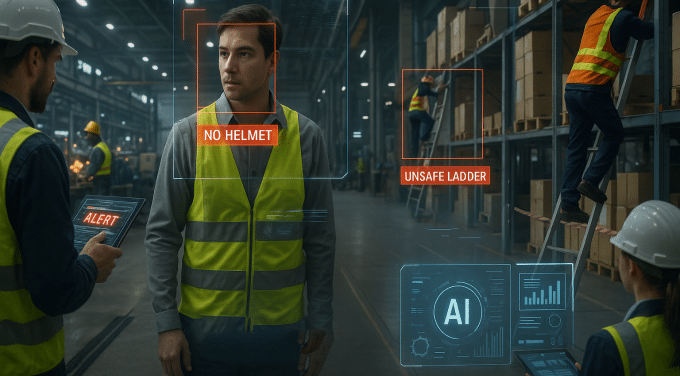
  • Workplace Safety Reinvented with AI!

    Safety is of prime importance to a workplace teeming with heavy machineries & protection compliance. AI-equipped systems ensures prevention of hazardous conduct & reckless behavior.

    AI-driven protocols can proactively identify and prevent unsafe behavior by analyzing patterns, monitoring real-time activity, and issuing timely alerts. These systems enhance safety, reduce human error, and ensure compliance with safety standards.

    For more details, read here.https://bit.ly/3Zfj4ij

    #Nextbrain #WorkplaceSafety #AI #IndustrialAI #ComputerVision #AIsafety #SafetyFirst #OccupationalSafety #RiskManagement #TechForSafety #SmartWorkplace #SafetyCompliance #WorkplaceTech #Innovation #Automation #FactorySafety
    🛡️ Workplace Safety Reinvented with AI! Safety is of prime importance to a workplace teeming with heavy machineries & protection compliance. AI-equipped systems ensures prevention of hazardous conduct & reckless behavior. AI-driven protocols can proactively identify and prevent unsafe behavior by analyzing patterns, monitoring real-time activity, and issuing timely alerts. These systems enhance safety, reduce human error, and ensure compliance with safety standards. For more details, read here.👉https://bit.ly/3Zfj4ij #Nextbrain #WorkplaceSafety #AI #IndustrialAI #ComputerVision #AIsafety #SafetyFirst #OccupationalSafety #RiskManagement #TechForSafety #SmartWorkplace #SafetyCompliance #WorkplaceTech #Innovation #Automation #FactorySafety
    BIT.LY
    Enhance workplace safety & prevent unsafe behavior: Revolutionize with AI-driven protocols
    Nextbrain’s AI-powered solutions are transforming safety protocols in workplace infrastructure. It constantly monitors work environments & provides actionable insights leveraging different data types.
    0 Commenti 0 condivisioni 2K Views
  • A Right Approach for Building SAP HANA Privilege Based Roles

    Designing, configuring, and implementing SAP Security is a complex and resource-intensive task. Hence, companies should identify the right approach before building authorizations. This is also important when it comes to SAP HANA privilege-based roles.

    I have personally experienced and helped a few organizations with the design of the role definition approach. From this experience, I can say that identifying the proper security requirements during the system build helps in avoiding the need for redesigning at a later stage.
    Before we move on, please note that the SAP HANA platform has its own role model, which is more complex than the SAP NetWeaver ABAP authorization model. SAP HANA has:
    Analytic Privileges that will restrict user authorization on data
    System Privileges that will control the authorization on administrative tasks
    Object Privileges that allows various authorizations such as SELECT, DELETE, EXECUTE, etc., on database objects
    Package Privileges are used for providing read/write authorization on repositories
    Application Privileges are used for managing HANA applications, mostly XS Engine based
    These privileges can be assigned to the users directly from the HANA Studio, or Web IDE if the administrator has a USER ADMIN privilege assigned to him. However, before designing the authorization approach, I would also like to highlight a few points that should be considered:
    – Assigning privileges directly is not a recommended approach as:
    It increases the maintenance activity
    Makes the authorization management weird, and you will have no clue of who has what
    Unnecessary access has to be provided to the administrators due to the GRANT authorization limitation.
    Issues with ownership as objects are owned by the creator and not by the repository owner.
    So, What Is The Recommended Approach?
    Simplify
    The mantra for any successful role design is to simplify. Always keep the authorization structure easy. This makes the maintenance hassle-free and provides complete visibility of the authorizations at any given point in time.
    Always Create the Roles as Repository (Design-Time) Objects
    You might ask me here why SAP has provided the option of creating the roles as Catalog objects. Let me explain this – every role that we are assigning to the users should be a part of the HANA Catalog. Unless the run-time version is available, you can’t assign it to the users. When a role is created as a run-time object, the owner of the role is the ‘Creator’ who can decide which user should have authorization to it. Further, when the creator is dropped, the role will be deleted and the assignments will be revoked automatically.
    Hence, it is recommended to create the role as a design-time object. When a design-time role is activated, the run-time version is automatically created with the owner as “_SYS_REPO” – the global activation guy who owns the HANA repository. The role creation and assignment activities are de-coupled with this approach and the user with “GRANT_ACTIVATED_ROLE” and “REVOKE_ACTIVATED_ROLE” privileges can take care of the assignment/revoking of roles without being an owner of the actual role.
    Keeping this in mind, the industry and SMEs/experts always recommend assigning the privileges through the roles that are created as database artifacts i.e. repository or design-time roles that will have the .hdbrole extension.
    Have a Proper Role Naming Convention
    A proper role naming convention will help you classify the roles correctly and also easily segregate and identify the criticality while assigning them to the users. The roles should be intuitive not only for the ease of security experts but also to enable business approvers and reviewers to know the role kind and type quickly before taking a go or no-go decision.
    Here is an example:

    Read more: https://togglenow.com/blog/sap-hana-privilege-based-roles/
    #SAPSoDAnalysis
    #SegregationofDutiesinSAP
    #SAPSecurityandCompliance
    #SoDViolationsinSAP
    #sapsegregationofdutiesmatrix
    #SAPRiskAssessment
    #sapsodanalysistool
    #sapsodconflicts
    #sapsegregationofduties
    #SAPGovernanceSolutions
    #SoDRiskManagementinSAP
    #sapsodmatrix
    #sapsodanalyzer


    A Right Approach for Building SAP HANA Privilege Based Roles Designing, configuring, and implementing SAP Security is a complex and resource-intensive task. Hence, companies should identify the right approach before building authorizations. This is also important when it comes to SAP HANA privilege-based roles. I have personally experienced and helped a few organizations with the design of the role definition approach. From this experience, I can say that identifying the proper security requirements during the system build helps in avoiding the need for redesigning at a later stage. Before we move on, please note that the SAP HANA platform has its own role model, which is more complex than the SAP NetWeaver ABAP authorization model. SAP HANA has: Analytic Privileges that will restrict user authorization on data System Privileges that will control the authorization on administrative tasks Object Privileges that allows various authorizations such as SELECT, DELETE, EXECUTE, etc., on database objects Package Privileges are used for providing read/write authorization on repositories Application Privileges are used for managing HANA applications, mostly XS Engine based These privileges can be assigned to the users directly from the HANA Studio, or Web IDE if the administrator has a USER ADMIN privilege assigned to him. However, before designing the authorization approach, I would also like to highlight a few points that should be considered: – Assigning privileges directly is not a recommended approach as: It increases the maintenance activity Makes the authorization management weird, and you will have no clue of who has what Unnecessary access has to be provided to the administrators due to the GRANT authorization limitation. Issues with ownership as objects are owned by the creator and not by the repository owner. So, What Is The Recommended Approach? Simplify The mantra for any successful role design is to simplify. Always keep the authorization structure easy. This makes the maintenance hassle-free and provides complete visibility of the authorizations at any given point in time. Always Create the Roles as Repository (Design-Time) Objects You might ask me here why SAP has provided the option of creating the roles as Catalog objects. Let me explain this – every role that we are assigning to the users should be a part of the HANA Catalog. Unless the run-time version is available, you can’t assign it to the users. When a role is created as a run-time object, the owner of the role is the ‘Creator’ who can decide which user should have authorization to it. Further, when the creator is dropped, the role will be deleted and the assignments will be revoked automatically. Hence, it is recommended to create the role as a design-time object. When a design-time role is activated, the run-time version is automatically created with the owner as “_SYS_REPO” – the global activation guy who owns the HANA repository. The role creation and assignment activities are de-coupled with this approach and the user with “GRANT_ACTIVATED_ROLE” and “REVOKE_ACTIVATED_ROLE” privileges can take care of the assignment/revoking of roles without being an owner of the actual role. Keeping this in mind, the industry and SMEs/experts always recommend assigning the privileges through the roles that are created as database artifacts i.e. repository or design-time roles that will have the .hdbrole extension. Have a Proper Role Naming Convention A proper role naming convention will help you classify the roles correctly and also easily segregate and identify the criticality while assigning them to the users. The roles should be intuitive not only for the ease of security experts but also to enable business approvers and reviewers to know the role kind and type quickly before taking a go or no-go decision. Here is an example: Read more: https://togglenow.com/blog/sap-hana-privilege-based-roles/ #SAPSoDAnalysis #SegregationofDutiesinSAP #SAPSecurityandCompliance #SoDViolationsinSAP #sapsegregationofdutiesmatrix #SAPRiskAssessment #sapsodanalysistool #sapsodconflicts #sapsegregationofduties #SAPGovernanceSolutions #SoDRiskManagementinSAP #sapsodmatrix #sapsodanalyzer
    TOGGLENOW.COM
    A Right approach to build authorizations in SAP HANA
    Designing, configuring, and implementing SAP Security is a complex and resource-intensive task. Find the right approaches for designing SAP HANA roles
    0 Commenti 0 condivisioni 2K Views
  • Are You Aware That BOTs Can Manage Your SAP GRC User Access Reviews(UAR)?

    AI driven automation in GRC. The User Access Review functionality is built into SAP GRC Access Control and it's great for smaller companies with only a couple of thousands of users. What if you need to perform this for 40,000+ people?

    Managing multiple managers and completing the activity within time is a tricky task. Periodic follow-ups and working on weekly reports is not only a time-consuming activity but also a cumbersome one.

    #ToggleNow developed an automated BOT that will send periodic reminders when a request is not closed within the specific SLA, and rules to automatically handle tasks such as escalating it to the next level manager, auto reviewing the request, and updating the status, and so on are implemented with BOTs.

    If we could reduce the UAR timelines from months to weeks, that would be a tremendous help. Isn't it?

    AI driven automation in GRC will help you to streamline business processes and reduce costs. We can build one for you too!

    ToggleNow – The GRC automation experts

    ToggleNow Software Solutions Pvt Ltd, Santosh Nasine, Kritika Kadam, Sindhu Sowmitri

    Raghu Boddu
    Meet Raghu Boddu an expert in SAP Security and Governance, Risk, and Compliance (GRC). With over 20+ years of experience in the field, Raghu has a deep understanding of the nuances and complexities of SAP systems and how to keep them secure. Raghu has worked with various clients across different industries, helping them implement effective security and GRC strategies to protect their sensitive data and meet regulatory compliance requirements. Raghu is a respected thought leader in the SAP security and GRC community, regularly sharing insights and best practices through presentations and publications. Whether you're looking to improve the security of your SAP system or ensure compliance with relevant regulations, Raghu can provide the guidance and expertise you need to succeed.

    Read more:

    https://togglenow.com/automation-stories/ai-driven-automation-in-grc/

    #SAPRiskAnalyzersolution

    #SAPRiskmanagement

    #sapgrcriskmanagement

    #sapenterpriseriskmanagement

    #SAPRiskAnalyzersolution

    #grcaccesscontrol

    #sapgrcaccesscontrol

    #SAPSODANALYZER

    #SAPSODANALYSISTOOL

    #SAPSODANALYSIS

    Are You Aware That BOTs Can Manage Your SAP GRC User Access Reviews(UAR)? AI driven automation in GRC. The User Access Review functionality is built into SAP GRC Access Control and it's great for smaller companies with only a couple of thousands of users. What if you need to perform this for 40,000+ people? Managing multiple managers and completing the activity within time is a tricky task. Periodic follow-ups and working on weekly reports is not only a time-consuming activity but also a cumbersome one. #ToggleNow developed an automated BOT that will send periodic reminders when a request is not closed within the specific SLA, and rules to automatically handle tasks such as escalating it to the next level manager, auto reviewing the request, and updating the status, and so on are implemented with BOTs. If we could reduce the UAR timelines from months to weeks, that would be a tremendous help. Isn't it? AI driven automation in GRC will help you to streamline business processes and reduce costs. We can build one for you too! ToggleNow – The GRC automation experts ToggleNow Software Solutions Pvt Ltd, Santosh Nasine, Kritika Kadam, Sindhu Sowmitri Raghu Boddu Meet Raghu Boddu an expert in SAP Security and Governance, Risk, and Compliance (GRC). With over 20+ years of experience in the field, Raghu has a deep understanding of the nuances and complexities of SAP systems and how to keep them secure. Raghu has worked with various clients across different industries, helping them implement effective security and GRC strategies to protect their sensitive data and meet regulatory compliance requirements. Raghu is a respected thought leader in the SAP security and GRC community, regularly sharing insights and best practices through presentations and publications. Whether you're looking to improve the security of your SAP system or ensure compliance with relevant regulations, Raghu can provide the guidance and expertise you need to succeed. Read more: https://togglenow.com/automation-stories/ai-driven-automation-in-grc/ #SAPRiskAnalyzersolution #SAPRiskmanagement #sapgrcriskmanagement #sapenterpriseriskmanagement #SAPRiskAnalyzersolution #grcaccesscontrol #sapgrcaccesscontrol #SAPSODANALYZER #SAPSODANALYSISTOOL #SAPSODANALYSIS
    TOGGLENOW.COM
    Best AI Driven Automation in GRC | Manage User Access Review
    Discover the power of AI driven automation in GRC with our expert insights. Streamline your processes, enhance efficiency, and minimize risk. Get in touch now
    0 Commenti 0 condivisioni 2K Views
Pagine in Evidenza