• May this Akshaya Tritaya fill your heart with hope for joyful times & grow wealth!
    .
    Team ArtyCraftz wishes A Very Happy Akshaya Tritaya!
    .
    .
    Don't miss Akshaya Tritaya Sale @ ArtyCraftz.com today, Grab upto 15% Discount on Selected Items!
    .
    Visit: https://artycraftz.com/collections/akshaya-tritiya-sale
    .
    .
    .
    .
    #artycraftz #AkshayaTritiya #AkshayaTritiya2025 #akshayatritiyaspecial #akshayatritiyaoffer #offers #Discount #gold #gift #spreadlove
    May this Akshaya Tritaya fill your heart with hope for joyful times & grow wealth! . Team ArtyCraftz wishes A Very Happy Akshaya Tritaya! . . Don't miss Akshaya Tritaya Sale @ ArtyCraftz.com today, Grab upto 15% Discount on Selected Items! . Visit: https://artycraftz.com/collections/akshaya-tritiya-sale . . . . #artycraftz #AkshayaTritiya #AkshayaTritiya2025 #akshayatritiyaspecial #akshayatritiyaoffer #offers #Discount #gold #gift #spreadlove
    ARTYCRAFTZ.COM
    Akshaya Tritiya Sale
    Akshaya Tritiya Sale in India Akshaya Tritiya, often referred to as the most auspicious day in the Hindu calendar, is a time for new beginnings, prosperity, and abundance. Celebrated with much fervor across India, this day marks the arrival of good fortune, making it the perfect occasion for various celebrations, including shopping. Retailers, e-commerce giants, and jewelry stores across the country gear up for the much-anticipated Akshaya Tritiya Sale, offering huge discounts, exclusive offers, and exciting deals. This special sale is not only about making a new purchase but also about investing in assets that are considered symbols of wealth and prosperity, particularly gold. In this article, we’ll explore why Akshaya Tritiya Sale in India is such a big deal, what types of offers you can expect, and how you can make the most of this annual shopping extravaganza. What is Akshaya Tritiya? Akshaya Tritiya, also known as "Akha Teej," is celebrated on the third day of the bright half of the lunar month of Vaisakha. It is believed that anything bought or started on this day will bring good fortune and success. People across India worship Lord Vishnu and Goddess Lakshmi on this day, hoping for wealth, happiness, and a prosperous future. It is also regarded as an ideal time to make significant purchases, especially of gold, silver, property, or vehicles, as these are believed to bring good luck. This belief drives people to indulge in shopping, making Akshaya Tritiya one of the most popular shopping festivals in the country. Retailers and online marketplaces recognize the potential of this tradition, and hence, the Akshaya Tritiya Sale is one of the biggest sales events in India. Why Is Akshaya Tritiya Sale So Popular? The combination of tradition, good fortune, and irresistible offers makes the Akshaya Tritiya Sale in India a shopper’s paradise. Here are a few reasons why this sale is so popular: Cultural Significance: Akshaya Tritiya is seen as a day of new beginnings and prosperity. People believe that purchasing items such as jewelry, home appliances, and vehicles on this day will lead to lasting success and wealth. Gold and Jewelry Discounts: Since gold holds a significant cultural value in India, jewelers often offer tempting discounts, exchange schemes, and special gold coin offers during this time. Many people take advantage of the sale to buy gold and silver as an investment or as part of religious rituals. Special Offers and Deals: E-commerce platforms such as Amazon, Flipkart, and Myntra, as well as physical retail outlets, provide great discounts on a wide range of products during the Akshaya Tritiya Sale. From fashion and electronics to home appliances and more, consumers can expect big savings. Convenience of Online Shopping: With the growth of online shopping in India, many people prefer to shop from the comfort of their homes. Akshaya Tritiya Sale allows consumers to access the best deals on their favorite products without having to rush to crowded stores. Types of Products on Sale During Akshaya Tritiya The Akshaya Tritiya Sale is not limited to just gold and jewelry; various categories of products are offered with huge discounts and exciting deals during the sale season. Here’s a list of popular items that consumers can shop for during this festive occasion: 1. Gold and Jewelry As mentioned, Akshaya Tritiya is widely regarded as the best day to buy gold in India. Jewelers across the country provide discounts on gold jewelry, special gold coin schemes, and other precious items. Whether you are looking to buy a new gold necklace, earrings, or a coin to mark the occasion, the deals on Akshaya Tritiya are hard to miss. Gold Coin Discounts: Many jewelers and online stores offer attractive deals on gold coins and bars, with some offering a fixed discount per gram. Exclusive Collections: Jewelers often launch limited-edition collections, making it a great time to purchase a piece of heirloom-quality jewelry. 2. Home Decor and Furniture People tend to buy new furniture and home decor items on auspicious days like Akshaya Tritiya to enhance their living spaces. Many furniture brands and online marketplaces offer discounts on sofas, dining tables, mattresses, and other furniture items. Decorative Items: You can also find discounts on items like paintings, wall hangings, and other home accessories to spruce up your home. 4. Fashion and Apparel Whether you're looking to refresh your wardrobe or buy festive clothing, the Akshaya Tritiya Sale is the ideal time. Retailers offer deals on traditional wear like sarees, kurtas, and lehengas, as well as casual and formal clothing. Special Festive Collections: Many brands launch special Akshaya Tritiya collections with exclusive designs, fabrics, and styles. How to Make the Most of Akshaya Tritiya Sale? To maximise your shopping experience during the Akshaya Tritiya Sale, here are a few tips to keep in mind: Plan Your Purchases: Make a list of items you need or want to buy and research the best offers in advance. This helps you avoid impulse purchases and ensures you're getting the best deals. Compare Prices: Always compare prices across different platforms, both online and offline, before making a purchase. Many e-commerce platforms provide price comparison tools to help you find the lowest prices. Look for Exchange and Cashback Offers: Check for exchange schemes or cashback offers, particularly on gold jewelry and electronics. These offers can help you save a significant amount. Use Coupons and Promo Codes: Many online stores provide additional discount codes or promo offers during the Akshaya Tritiya Sale. Be sure to search for these codes before checking out. Buy with Confidence: As Akshaya Tritiya is an important festival, retailers often offer attractive post-purchase services like easy returns, warranties, and installment options. Make sure to take advantage of these services to ensure a smooth shopping experience. Akshaya Tritiya Sale is more than just a shopping event in India; it’s a cultural celebration that brings people together to embrace new beginnings, wealth, and prosperity. Whether you're looking to invest in gold jewelry, upgrade your electronics, or add a new vehicle to your collection, this sale offers something for everyone. By taking advantage of discounts, exclusive offers, and limited-time deals, you can make the most of this auspicious occasion and ensure that your Akshaya Tritiya shopping experience is both enjoyable and rewarding. Happy shopping, and may your Akshaya Tritiya bring you abundant joy, prosperity, and success.
    0 Comments 0 Shares 531 Views
  • Lời kết của cổng game B52 VIP của chúng tôi muốn gửi tới các anh em cược thủ.
    Nếu anh em tân thủ muốn có nhiều trải nghiệm mới mẻ và thú vị thì hãy đến thiên đường này. Chúng tôi luôn luôn cam kết bằng ưu điểm của mình sẽ mang đến cho anh em và người chơi những trận cá cược uy tín và an toàn tuyệt đối.
    Truy cập: https://b52.quest/tham-gia-game-online-rong-ho-cuoc-lon-nhan-tien-moi-tay-b52/
    #cuoclonnhantienmoitayb52 #b52 #b52quest #b52vip


    Lời kết của cổng game B52 VIP của chúng tôi muốn gửi tới các anh em cược thủ. Nếu anh em tân thủ muốn có nhiều trải nghiệm mới mẻ và thú vị thì hãy đến thiên đường này. Chúng tôi luôn luôn cam kết bằng ưu điểm của mình sẽ mang đến cho anh em và người chơi những trận cá cược uy tín và an toàn tuyệt đối. Truy cập: https://b52.quest/tham-gia-game-online-rong-ho-cuoc-lon-nhan-tien-moi-tay-b52/ #cuoclonnhantienmoitayb52 #b52 #b52quest #b52vip
    B52.QUEST
    Tham gia game online rồng hổ, cược lớn nhận tiền mỏi tay B52 - B52
    Game bài đổi thưởng hot nhất tại cổng game B52 hiện nay “Rồng Hổ”. Cùng khám phá cách tham gia tựa game này nhé!
    0 Comments 0 Shares 202 Views
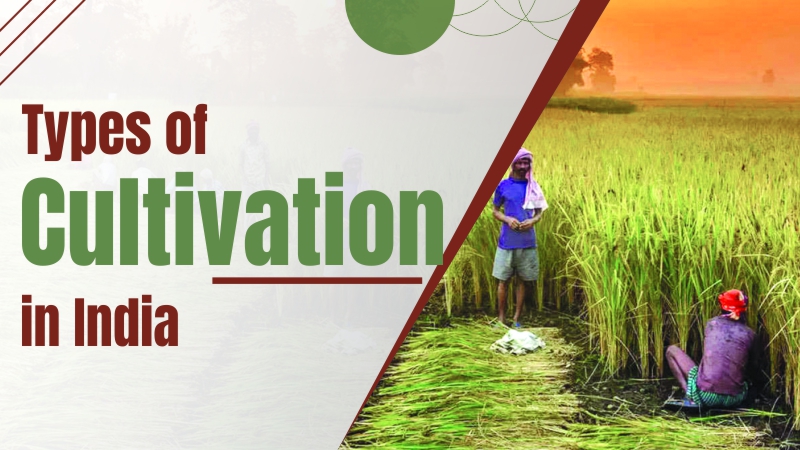
  • An Overview of Farming Practices in India: Traditional and Modern Techniques
    Introduction

    India is a country with a rich agricultural heritage, where farming is not just an occupation but a way of life. The diversity in climatic conditions and soil types across the country enables the cultivation of a wide variety of crops. In this article, we will delve into the traditional farming and modern farming practices for tomatoes, explore the emerging trend of dragon fruit farming, and understand the dynamics of banana farming. We will also highlight the role of modern agricultural machinery, such as tractors, in enhancing farming efficiency.

    Different types of farming systems in India depend on land, climatic conditions, available irrigation facilities, and their suitability to specific locations. The three main types of farming systems generally practiced are subsistence farming, organic farming, and industrial farming. Each type caters to different agricultural needs and practices across the country.
    Traditional Tomato Farming in India
    Tomatoes are a staple in Indian cuisine and are cultivated extensively across the country. Traditional tomato farming relies heavily on natural resources and manual labor. Farmers typically use heirloom seeds that have been passed down through generations. These seeds are often well-adapted to local climatic conditions, making them resilient to local pests and diseases.

    In traditional farming, the soil is prepared using manual tools or animal-drawn plows. Organic manure, such as cow dung and compost, is used to enrich the soil. Irrigation is often carried out using traditional methods like furrow irrigation, where water is channeled through small ditches to the plants. Pest control involves the use of natural repellents like neem oil and garlic extract.

    Despite its eco-friendliness, traditional tomato farming faces challenges such as low yields and vulnerability to extreme weather conditions. However, it remains an integral part of India's agricultural landscape, especially in rural areas.
    Modern Tomato Farming in India
    Modern tomato farming in India has seen significant advancements with the adoption of scientific techniques and technology. High-yield hybrid seeds are now commonly used, which are resistant to various diseases and pests. These seeds are often genetically improved to enhance productivity and quality.

    Soil preparation in modern farming involves mechanized equipment like tractors, which not only speed up the process but also ensure better soil aeration and structure. Fertilizers and pesticides are used judiciously, guided by soil testing and crop monitoring. Drip irrigation systems, which deliver water directly to the plant roots, help conserve water and reduce weed growth.

    Greenhouse farming is another modern technique gaining popularity in tomato cultivation. By controlling the environment within the greenhouse, farmers can protect the plants from adverse weather and pests, thus ensuring a consistent supply of tomatoes throughout the year.
    Dragon Fruit Farming in India
    Dragon fruit, also known as pitaya, is an exotic fruit that has recently gained popularity in India due to its nutritional benefits and high market value. Native to Central and South America, dragon fruit farming in India is relatively new but expanding rapidly.

    Dragon fruit plants are cacti and thrive in arid conditions, making them suitable for regions with less rainfall. The plants are grown from cuttings or seeds and require well-drained soil with a pH between 6 and 7. The plants are supported by concrete or wooden stakes as they grow vertically.

    Modern farming techniques, such as the use of organic fertilizers and drip irrigation, are employed to enhance yield and fruit quality. The cultivation process involves minimal use of pesticides, as dragon fruit plants are relatively resistant to pests and diseases.

    The growing demand for dragon fruit in both domestic and international markets makes it a lucrative venture for Indian farmers. Its ability to grow in adverse conditions and its high profitability is encouraging more farmers to adopt dragon fruit farming.
    Banana Farming in India
    Bananas are one of the most widely grown fruits in India, with the country being the world's largest producer. Traditional banana farming is prevalent in states like Tamil Nadu, Maharashtra, and Kerala, where the fruit is a dietary staple.

    https://khetigaadi.com/blog/types-of-cultivation-farming-in-india/

    An Overview of Farming Practices in India: Traditional and Modern Techniques Introduction India is a country with a rich agricultural heritage, where farming is not just an occupation but a way of life. The diversity in climatic conditions and soil types across the country enables the cultivation of a wide variety of crops. In this article, we will delve into the traditional farming and modern farming practices for tomatoes, explore the emerging trend of dragon fruit farming, and understand the dynamics of banana farming. We will also highlight the role of modern agricultural machinery, such as tractors, in enhancing farming efficiency. Different types of farming systems in India depend on land, climatic conditions, available irrigation facilities, and their suitability to specific locations. The three main types of farming systems generally practiced are subsistence farming, organic farming, and industrial farming. Each type caters to different agricultural needs and practices across the country. Traditional Tomato Farming in India Tomatoes are a staple in Indian cuisine and are cultivated extensively across the country. Traditional tomato farming relies heavily on natural resources and manual labor. Farmers typically use heirloom seeds that have been passed down through generations. These seeds are often well-adapted to local climatic conditions, making them resilient to local pests and diseases. In traditional farming, the soil is prepared using manual tools or animal-drawn plows. Organic manure, such as cow dung and compost, is used to enrich the soil. Irrigation is often carried out using traditional methods like furrow irrigation, where water is channeled through small ditches to the plants. Pest control involves the use of natural repellents like neem oil and garlic extract. Despite its eco-friendliness, traditional tomato farming faces challenges such as low yields and vulnerability to extreme weather conditions. However, it remains an integral part of India's agricultural landscape, especially in rural areas. Modern Tomato Farming in India Modern tomato farming in India has seen significant advancements with the adoption of scientific techniques and technology. High-yield hybrid seeds are now commonly used, which are resistant to various diseases and pests. These seeds are often genetically improved to enhance productivity and quality. Soil preparation in modern farming involves mechanized equipment like tractors, which not only speed up the process but also ensure better soil aeration and structure. Fertilizers and pesticides are used judiciously, guided by soil testing and crop monitoring. Drip irrigation systems, which deliver water directly to the plant roots, help conserve water and reduce weed growth. Greenhouse farming is another modern technique gaining popularity in tomato cultivation. By controlling the environment within the greenhouse, farmers can protect the plants from adverse weather and pests, thus ensuring a consistent supply of tomatoes throughout the year. Dragon Fruit Farming in India Dragon fruit, also known as pitaya, is an exotic fruit that has recently gained popularity in India due to its nutritional benefits and high market value. Native to Central and South America, dragon fruit farming in India is relatively new but expanding rapidly. Dragon fruit plants are cacti and thrive in arid conditions, making them suitable for regions with less rainfall. The plants are grown from cuttings or seeds and require well-drained soil with a pH between 6 and 7. The plants are supported by concrete or wooden stakes as they grow vertically. Modern farming techniques, such as the use of organic fertilizers and drip irrigation, are employed to enhance yield and fruit quality. The cultivation process involves minimal use of pesticides, as dragon fruit plants are relatively resistant to pests and diseases. The growing demand for dragon fruit in both domestic and international markets makes it a lucrative venture for Indian farmers. Its ability to grow in adverse conditions and its high profitability is encouraging more farmers to adopt dragon fruit farming. Banana Farming in India Bananas are one of the most widely grown fruits in India, with the country being the world's largest producer. Traditional banana farming is prevalent in states like Tamil Nadu, Maharashtra, and Kerala, where the fruit is a dietary staple. https://khetigaadi.com/blog/types-of-cultivation-farming-in-india/
    KHETIGAADI.COM
    Types of cultivation farming in India - KhetiGaadi latest blog
    Types of cultivation in India. Various cultivation techniques agricultural sector, along with irrigation, Farming and agricultural inputs
    0 Comments 0 Shares 1K Views
  • Fruit Farming in India in 2024: A Blossoming Industry

    Fruit farming in India has experienced remarkable growth and diversification in recent years. With advancements in agricultural practices, technological innovations, and government support, the fruit farming sector has become a significant contributor to the nation's economy. In 2024, fruit farming encompasses a variety of fruits, each cultivated with specific techniques suited to India's diverse climatic conditions. This article delves into the nuances of banana, dragon fruit, tomato, strawberry, and grape farming, while also providing an overview of the types of farming prevalent in India.
    Types of Farming in India

    India's farming landscape is diverse and includes several types of farming practices, each suited to different regions, climates, and crops. The main types of farming in India include:

    1. Subsistence Farming: Small-scale farming primarily for the farmer's family consumption.
    2. Commercial Farming: Large-scale farming aimed at generating profit through the sale of crops.
    3. Plantation Farming: Cultivation of a single crop on a large scale, often for export (e.g., tea, coffee).
    4. Mixed Farming: Integration of crop cultivation and livestock rearing.
    5. Organic Farming: Farming without synthetic chemicals, emphasizing natural processes and biodiversity.
    6. Horticulture: Cultivation of fruits, vegetables, and ornamental plants.
    7. Dryland Farming: Farming in arid areas with minimal irrigation.
    8. Shifting Cultivation: Temporary farming on cleared land, which is later abandoned and allowed to regenerate.

    Banana Farming

    Bananas are a staple fruit in India, with the country being one of the largest producers globally. The states of Tamil Nadu, Maharashtra, Karnataka, and Gujarat are major banana producers. In 2024, banana farming in India has seen significant improvements through the adoption of tissue culture techniques, which ensure disease-free and high-yield plants. Farmers now employ drip irrigation systems and integrated pest management (IPM) practices to optimize water usage and minimize chemical inputs.

    The Grand Naine variety remains popular due to its high yield and market demand. Additionally, organic banana farming is gaining traction, driven by consumer preference for chemical-free produce. Farmers are also benefiting from government schemes such as the National Horticulture Mission, which provides financial and technical support.
    Dragon Fruit Farming

    Dragon fruit, also known as pitaya, has emerged as a lucrative crop in India. Initially introduced as an exotic fruit, it has gained popularity due to its nutritional benefits and high market value. States like Maharashtra, Gujarat, and Karnataka have become pioneers in dragon fruit farming. The crop is well-suited to India's arid and semi-arid regions, requiring minimal water and thriving in well-drained soil.

    In 2024, farmers are increasingly adopting vertical farming techniques to maximize space and yield. Organic farming practices are prevalent, as dragon fruit is naturally resistant to many pests and diseases. The government supports dragon fruit farming through subsidies and training programs, encouraging farmers to diversify and enhance their income.
    Tomato Farming

    Tomatoes are an essential component of Indian cuisine, leading to widespread cultivation across the country. Major tomato-producing states include Andhra Pradesh, Karnataka, and Maharashtra. The adoption of greenhouse farming and hydroponics has revolutionized tomato farming in 2024, enabling year-round production and higher yields.

    Hybrid tomato varieties, developed for disease resistance and longer shelf life, are commonly grown. Farmers utilize drip irrigation and mulching to conserve water and maintain soil health. Integrated nutrient management (INM) practices ensure balanced fertilization, promoting sustainable farming. The government's Pradhan Mantri Krishi Sinchai Yojana (PMKSY) scheme provides support for irrigation infrastructure, benefiting tomato farmers significantly.
    Strawberry Farming

    Strawberry farming, once limited to cooler regions like Himachal Pradesh and Jammu & Kashmir, is now expanding to other parts of India through advanced cultivation techniques. In 2024, polyhouse farming has enabled strawberry cultivation in non-traditional areas like Maharashtra and Karnataka, ensuring controlled environments and extended growing seasons.

    The introduction of high-yielding and disease-resistant strawberry varieties has boosted production. Farmers are increasingly using organic mulches and biofertilizers to enhance soil fertility and reduce chemical usage. Agritourism is also gaining popularity, with strawberry farms attracting visitors for pick-your-own experiences, providing an additional income stream for farmers.

    https://khetigaadi.com/news/banana-insurance-just-got-sweeter/
    Fruit Farming in India in 2024: A Blossoming Industry Fruit farming in India has experienced remarkable growth and diversification in recent years. With advancements in agricultural practices, technological innovations, and government support, the fruit farming sector has become a significant contributor to the nation's economy. In 2024, fruit farming encompasses a variety of fruits, each cultivated with specific techniques suited to India's diverse climatic conditions. This article delves into the nuances of banana, dragon fruit, tomato, strawberry, and grape farming, while also providing an overview of the types of farming prevalent in India. Types of Farming in India India's farming landscape is diverse and includes several types of farming practices, each suited to different regions, climates, and crops. The main types of farming in India include: 1. Subsistence Farming: Small-scale farming primarily for the farmer's family consumption. 2. Commercial Farming: Large-scale farming aimed at generating profit through the sale of crops. 3. Plantation Farming: Cultivation of a single crop on a large scale, often for export (e.g., tea, coffee). 4. Mixed Farming: Integration of crop cultivation and livestock rearing. 5. Organic Farming: Farming without synthetic chemicals, emphasizing natural processes and biodiversity. 6. Horticulture: Cultivation of fruits, vegetables, and ornamental plants. 7. Dryland Farming: Farming in arid areas with minimal irrigation. 8. Shifting Cultivation: Temporary farming on cleared land, which is later abandoned and allowed to regenerate. Banana Farming Bananas are a staple fruit in India, with the country being one of the largest producers globally. The states of Tamil Nadu, Maharashtra, Karnataka, and Gujarat are major banana producers. In 2024, banana farming in India has seen significant improvements through the adoption of tissue culture techniques, which ensure disease-free and high-yield plants. Farmers now employ drip irrigation systems and integrated pest management (IPM) practices to optimize water usage and minimize chemical inputs. The Grand Naine variety remains popular due to its high yield and market demand. Additionally, organic banana farming is gaining traction, driven by consumer preference for chemical-free produce. Farmers are also benefiting from government schemes such as the National Horticulture Mission, which provides financial and technical support. Dragon Fruit Farming Dragon fruit, also known as pitaya, has emerged as a lucrative crop in India. Initially introduced as an exotic fruit, it has gained popularity due to its nutritional benefits and high market value. States like Maharashtra, Gujarat, and Karnataka have become pioneers in dragon fruit farming. The crop is well-suited to India's arid and semi-arid regions, requiring minimal water and thriving in well-drained soil. In 2024, farmers are increasingly adopting vertical farming techniques to maximize space and yield. Organic farming practices are prevalent, as dragon fruit is naturally resistant to many pests and diseases. The government supports dragon fruit farming through subsidies and training programs, encouraging farmers to diversify and enhance their income. Tomato Farming Tomatoes are an essential component of Indian cuisine, leading to widespread cultivation across the country. Major tomato-producing states include Andhra Pradesh, Karnataka, and Maharashtra. The adoption of greenhouse farming and hydroponics has revolutionized tomato farming in 2024, enabling year-round production and higher yields. Hybrid tomato varieties, developed for disease resistance and longer shelf life, are commonly grown. Farmers utilize drip irrigation and mulching to conserve water and maintain soil health. Integrated nutrient management (INM) practices ensure balanced fertilization, promoting sustainable farming. The government's Pradhan Mantri Krishi Sinchai Yojana (PMKSY) scheme provides support for irrigation infrastructure, benefiting tomato farmers significantly. Strawberry Farming Strawberry farming, once limited to cooler regions like Himachal Pradesh and Jammu & Kashmir, is now expanding to other parts of India through advanced cultivation techniques. In 2024, polyhouse farming has enabled strawberry cultivation in non-traditional areas like Maharashtra and Karnataka, ensuring controlled environments and extended growing seasons. The introduction of high-yielding and disease-resistant strawberry varieties has boosted production. Farmers are increasingly using organic mulches and biofertilizers to enhance soil fertility and reduce chemical usage. Agritourism is also gaining popularity, with strawberry farms attracting visitors for pick-your-own experiences, providing an additional income stream for farmers. https://khetigaadi.com/news/banana-insurance-just-got-sweeter/
    KHETIGAADI.COM
    Banana Farmers - Get bigger benefits at lower premiums.
    The perfect insurance plan for banana farmers. Protect your banana farming with Ambia Bahar Yojana. For more info keep visiting KhetiGaadi
    0 Comments 0 Shares 2K Views
  • Types of Farming in India in 2024
    India, with its diverse agro-climatic conditions, practices various types of farming to cater to its large population and growing agricultural demands. Here are some prevalent farming types in India:

    1. Subsistence Farming: Most commonly practiced in rural areas, where farmers grow crops primarily for consumption rather than for sale. It relies heavily on traditional methods and manual labor.

    2. Commercial Farming: Focuses on growing crops for sale in the market. Crops such as cotton, sugarcane, and tobacco are cultivated on a large scale using modern techniques and machinery.

    3. Plantation Farming: Involves the cultivation of cash crops like tea, coffee, rubber, and spices on large estates. This type of farming requires substantial capital investment and sophisticated farming techniques.

    4. Mixed Farming: Combines crop cultivation and livestock rearing on the same farm. This method maximizes resource use and reduces the risk of crop failure.

    5. Dryland Farming: Practiced in arid and semi-arid regions with minimal irrigation facilities. Crops like millets, pulses, and oilseeds are commonly grown in these areas.

    6. Irrigated Farming: Relies on irrigation systems for water supply. Paddy fields in states like Punjab and Haryana are prime examples.

    7. Organic Farming: Avoids synthetic chemicals and fertilizers, focusing on sustainable and eco-friendly practices. It has gained popularity due to rising health consciousness.

    8. Shifting Cultivation: Practiced by tribal communities, this method involves clearing forest land, cultivating it for a few years, and then moving to a new area.

    9. Horticulture: Specializes in the cultivation of fruits, vegetables, and flowers. This type includes floriculture, olericulture, and pomology.

    Trending Farming Businesses in India

    Lemon Farming in India

    Lemon farming is becoming increasingly popular due to its high profitability and growing demand. Lemons are cultivated across various states, including Gujarat, Andhra Pradesh, and Maharashtra. They thrive in well-drained loamy soil with adequate sunlight. Lemon farming requires moderate investment in irrigation and fertilizers, but the returns are substantial, especially during off-season periods when prices are higher.

    Strawberry Growing in India

    Strawberry cultivation has seen a surge in regions like Mahabaleshwar in Maharashtra and parts of Himachal Pradesh. The favorable climate and the increasing demand for strawberries in the domestic and international markets make this a lucrative business. Strawberries require well-drained sandy loam soil and thrive in cool climates. Greenhouse farming and vertical farming techniques are also being adopted to enhance yield and quality.

    Dragon Fruit Farming

    Dragon fruit, also known as pitaya, is gaining traction due to its health benefits and high market value. Originating from Central America, it is now being successfully cultivated in states like Gujarat, Maharashtra, and Andhra Pradesh. Dragon fruit plants are cactus species that require minimal water and can be grown in arid regions. The investment in trellising and irrigation systems is offset by the high returns from the fruit.

    Grapes Farming in India

    Grapes are a significant horticultural crop in India, with Maharashtra being the leading state in grape production. The Nashik region is famously known as the "Wine Capital of India." Grapes require well-drained sandy loam soil and a warm climate. The initial investment in vineyard setup, including trellising and irrigation systems, is high, but the returns from table grapes and wine production are substantial.

    sunflower farming in India

    Sunflower farming in India is gaining popularity due to its high oil content and demand. It thrives in states like Karnataka, Maharashtra, and Andhra Pradesh. Sunflowers require well-drained loamy soil and are typically grown during the kharif and rabi seasons. This crop is resilient to drought conditions and offers good returns with relatively low input costs, making it an attractive option for farmers.

    https://khetigaadi.com/blog/types-of-cultivation-farming-in-india/
    Types of Farming in India in 2024 India, with its diverse agro-climatic conditions, practices various types of farming to cater to its large population and growing agricultural demands. Here are some prevalent farming types in India: 1. Subsistence Farming: Most commonly practiced in rural areas, where farmers grow crops primarily for consumption rather than for sale. It relies heavily on traditional methods and manual labor. 2. Commercial Farming: Focuses on growing crops for sale in the market. Crops such as cotton, sugarcane, and tobacco are cultivated on a large scale using modern techniques and machinery. 3. Plantation Farming: Involves the cultivation of cash crops like tea, coffee, rubber, and spices on large estates. This type of farming requires substantial capital investment and sophisticated farming techniques. 4. Mixed Farming: Combines crop cultivation and livestock rearing on the same farm. This method maximizes resource use and reduces the risk of crop failure. 5. Dryland Farming: Practiced in arid and semi-arid regions with minimal irrigation facilities. Crops like millets, pulses, and oilseeds are commonly grown in these areas. 6. Irrigated Farming: Relies on irrigation systems for water supply. Paddy fields in states like Punjab and Haryana are prime examples. 7. Organic Farming: Avoids synthetic chemicals and fertilizers, focusing on sustainable and eco-friendly practices. It has gained popularity due to rising health consciousness. 8. Shifting Cultivation: Practiced by tribal communities, this method involves clearing forest land, cultivating it for a few years, and then moving to a new area. 9. Horticulture: Specializes in the cultivation of fruits, vegetables, and flowers. This type includes floriculture, olericulture, and pomology. Trending Farming Businesses in India Lemon Farming in India Lemon farming is becoming increasingly popular due to its high profitability and growing demand. Lemons are cultivated across various states, including Gujarat, Andhra Pradesh, and Maharashtra. They thrive in well-drained loamy soil with adequate sunlight. Lemon farming requires moderate investment in irrigation and fertilizers, but the returns are substantial, especially during off-season periods when prices are higher. Strawberry Growing in India Strawberry cultivation has seen a surge in regions like Mahabaleshwar in Maharashtra and parts of Himachal Pradesh. The favorable climate and the increasing demand for strawberries in the domestic and international markets make this a lucrative business. Strawberries require well-drained sandy loam soil and thrive in cool climates. Greenhouse farming and vertical farming techniques are also being adopted to enhance yield and quality. Dragon Fruit Farming Dragon fruit, also known as pitaya, is gaining traction due to its health benefits and high market value. Originating from Central America, it is now being successfully cultivated in states like Gujarat, Maharashtra, and Andhra Pradesh. Dragon fruit plants are cactus species that require minimal water and can be grown in arid regions. The investment in trellising and irrigation systems is offset by the high returns from the fruit. Grapes Farming in India Grapes are a significant horticultural crop in India, with Maharashtra being the leading state in grape production. The Nashik region is famously known as the "Wine Capital of India." Grapes require well-drained sandy loam soil and a warm climate. The initial investment in vineyard setup, including trellising and irrigation systems, is high, but the returns from table grapes and wine production are substantial. sunflower farming in India Sunflower farming in India is gaining popularity due to its high oil content and demand. It thrives in states like Karnataka, Maharashtra, and Andhra Pradesh. Sunflowers require well-drained loamy soil and are typically grown during the kharif and rabi seasons. This crop is resilient to drought conditions and offers good returns with relatively low input costs, making it an attractive option for farmers. https://khetigaadi.com/blog/types-of-cultivation-farming-in-india/
    KHETIGAADI.COM
    Types of cultivation farming in India - KhetiGaadi latest blog
    Types of cultivation in India. Various cultivation techniques agricultural sector, along with irrigation, Farming and agricultural inputs
    0 Comments 0 Shares 1K Views
  • गंगा सप्तमी पर जरूर करें ये एक काम, मिटेंगे सभी पाप। Ganga Saptami 2024

    गंगा सप्तमी का हिंदू धर्म में बहुत अधिक महत्व माना जाता है। गंगा को सबसे पवित्र नदियों में से एक माना जाता है।

    https://www.vinaybajrangi.com/hindi/horoscope/monthly-horoscope.php

    https://www.youtube.com/watch?v=HQKSaSdITaY

    #gangasaptami #gangajayanti #riverganges
    गंगा सप्तमी पर जरूर करें ये एक काम, मिटेंगे सभी पाप। Ganga Saptami 2024 गंगा सप्तमी का हिंदू धर्म में बहुत अधिक महत्व माना जाता है। गंगा को सबसे पवित्र नदियों में से एक माना जाता है। https://www.vinaybajrangi.com/hindi/horoscope/monthly-horoscope.php https://www.youtube.com/watch?v=HQKSaSdITaY #gangasaptami #gangajayanti #riverganges
    WWW.VINAYBAJRANGI.COM
    मासिक राशिफल से जानें की अगले महिने आपको क्या करना चाहिए और क्या नहीं।
    मेष, वृषभ, मिथुन, कर्क और अन्य सभी राशियों के लिए मासिक राशिफल 2024 भविष्यवाणी (Monthly Horoscope 2024 prediction) प्राप्त करें। राशिफल आपके जीवन में सकारात्मक बदलाव लाएगा।
    0 Comments 0 Shares 522 Views
  • Ready to explore new possibilities? #MetaverseDevelopment offers unique opportunities to innovate, create, and explore a digital world. Get in on the cutting edge of virtual reality now!
    Explore: https://www.hostmetas.com/
    Connect with us on:
    Whatsapp: +91 8925810144
    Telegram: https://telegram.me/HostMetas

    #VR #Metaverse#DigitalWorld #usa #uk #southkorea #brazil #japan #moracco #vietnam #Australia #Canada #meta #Itay #poland #metaverseos #Sewden #netherland #Turkey #Greece #metaverseapplication #Indonesia #Philippines


    Ready to explore new possibilities? #MetaverseDevelopment offers unique opportunities to innovate, create, and explore a digital world. Get in on the cutting edge of virtual reality now! Explore: https://www.hostmetas.com/ Connect with us on: Whatsapp: +91 8925810144 Telegram: https://telegram.me/HostMetas #VR #Metaverse#DigitalWorld #usa #uk #southkorea #brazil #japan #moracco #vietnam #Australia #Canada #meta #Itay #poland #metaverseos #Sewden #netherland #Turkey #Greece #metaverseapplication #Indonesia #Philippines
    0 Comments 0 Shares 2K Views
  • https://msitaylor.com.au/buying-your-first-pharmacy-here-are-7-useful-tips/
    https://msitaylor.com.au/buying-your-first-pharmacy-here-are-7-useful-tips/
    Buying A Pharmacy | MSI Taylor
    Here are a few things to consider when you’re thinking of becoming a pharmacy owner, so it’s the right decision for you.
    0 Comments 0 Shares 637 Views
  • https://stoutday.com/author/MSITaylor/
    https://stoutday.com/author/MSITaylor/
    0 Comments 0 Shares 694 Views
  • https://msitaylor.com.au/how-to-deal-with-delinquent-debtors/
    https://msitaylor.com.au/how-to-deal-with-delinquent-debtors/
    HOW TO DEAL WITH DELINQUENT DEBTORS - MSI Taylor
    Having an efficient and effective debt collection process in place in vital to ensure your business’ cash flow remains healthy. There are a number of recommendations ACCC and ASIC have made to help business owners remedy any debt collection issues. There are also a number of steps you should take to deal with delinquent debtors to ensure […]
    0 Comments 0 Shares 730 Views
More Results