


The Tech Behind Today’s Most Reliable Eye Checkups
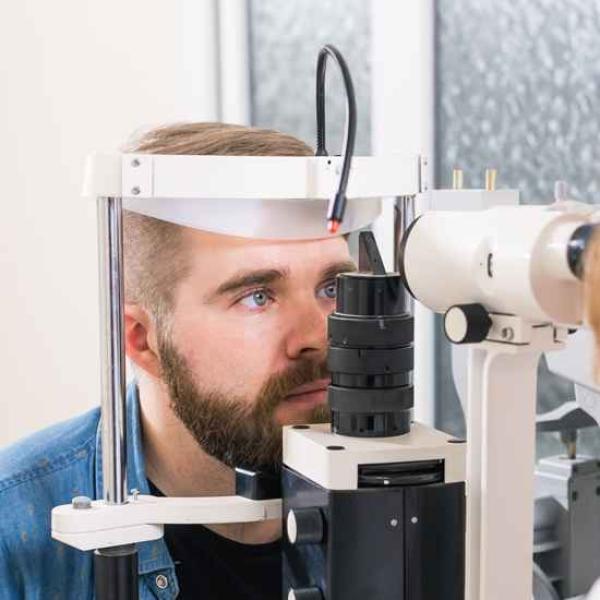
When was the last time you had a vision checkup and wondered how the doctor pinpointed your prescription so quickly—and with such accuracy? Eye care has evolved dramatically over the past decade. What used to involve manual charts, guesswork, and repetitive questions has now transformed into a highly precise, technology-driven process. Today’s most reliable eye checkups rely on a combination of advanced diagnostics, digital tools, smart software, and (just once) eye test machines that work together to deliver remarkably precise results.
In this article, we explore the technology powering modern vision assessments and how these innovations enhance the patient experience.
1. Digital Transformation of Vision Care
The biggest revolution in eye care comes from the digitization of diagnostic tools. Traditional manual methods depended heavily on the practitioner’s skill and a patient’s subjective responses. Modern tools, however, integrate digital data capture and automated measurements to reduce inconsistencies.
Fully Digital Vision Screenings
Digital screening systems can capture high-resolution information about the eye’s structure and function. This reduces human error and ensures that eye care professionals receive reliable, repeatable results. Patients also benefit from faster checkups and clearer explanations, as images and data can be shown in real time.
Software-Driven Accuracy
Today’s diagnostic systems pair advanced optics with intelligent software. By analyzing thousands of data points within seconds, these tools help practitioners identify subtle vision issues that older methods often missed.
2. Wavefront and Optical Aberration Technology
One of the most significant advancements in eye diagnostics is wavefront analysis. Originally developed for astronomy to correct blurred telescope images, this technology is now used to map the eye with microscopic precision.
How Wavefront Technology Enhances Accuracy
Wavefront technology measures how light travels through the eye. It identifies imperfections or “aberrations” that impact vision quality—even those too small to detect manually. Instead of relying solely on subjective responses like “Is this better or worse?”, wavefront testing creates a detailed, objective visual map.
Benefits for Patients
More precise prescriptions
Improved vision clarity
Better detection of early-stage eye conditions
Patients often report sharper vision and fewer issues like glare or halos when prescriptions are based on wavefront diagnostics.
3. Non-Contact Techniques Improve Comfort and Hygiene
Remember the uncomfortable air-puff test? While it’s still used, many clinics now employ newer, gentler, non-contact methods for measuring intraocular pressure (IOP).
Why This Matters
Pressure measurement is crucial for detecting glaucoma—a condition often called the “silent thief of sight.” Non-contact IOP devices use controlled air pulses or light-based sensors to obtain readings with increased comfort and less anxiety for patients.
Clinics find these methods faster, more hygienic, and safer, especially in busy environments.
4. Automated Refraction Systems
The process of determining your prescription has been transformed through automation. Today’s automated systems provide an accurate starting point for the optometrist by determining the refractive error in seconds.
Key Advantages
Increased accuracy: Automated readings reduce guesswork.
Time-saving: Faster measurements mean shorter appointments.
Consistency: Results are repeatable and less dependent on operator skill.
These systems ensure the practitioner's final prescription is fine-tuned rather than estimated from scratch.
5. High-Resolution Retinal Imaging
Modern retinal imaging tools allow practitioners to look deeper into the back of the eye. High-resolution fundus cameras and optical coherence tomography (OCT) provide detailed cross-sectional images of the retina.
Why This Is Important
Early detection of conditions such as:
Diabetic retinopathy
Macular degeneration
Glaucoma
Retinal detachment
These images are stored digitally, making it easy to track changes over time and provide personalized care.
Conclusion: Technology Is Transforming Eye Health for the Better
The past decade has redefined what a “routine eye checkup” means. With advanced imaging, digital diagnostics, AI-supported analysis, and highly precise evaluation systems, modern clinics provide incredibly reliable assessments that help detect issues earlier and prescribe more accurately.
These innovations not only benefit practitioners but also enhance patient comfort, safety, and long-term eye health.
Visit at https://matronix.in/eye-test-machines.html
call at - +91-9654754655
When was the last time you had a vision checkup and wondered how the doctor pinpointed your prescription so quickly—and with such accuracy? Eye care has evolved dramatically over the past decade. What used to involve manual charts, guesswork, and repetitive questions has now transformed into a highly precise, technology-driven process. Today’s most reliable eye checkups rely on a combination of advanced diagnostics, digital tools, smart software, and (just once) eye test machines that work together to deliver remarkably precise results.
In this article, we explore the technology powering modern vision assessments and how these innovations enhance the patient experience.
1. Digital Transformation of Vision Care
The biggest revolution in eye care comes from the digitization of diagnostic tools. Traditional manual methods depended heavily on the practitioner’s skill and a patient’s subjective responses. Modern tools, however, integrate digital data capture and automated measurements to reduce inconsistencies.
Fully Digital Vision Screenings
Digital screening systems can capture high-resolution information about the eye’s structure and function. This reduces human error and ensures that eye care professionals receive reliable, repeatable results. Patients also benefit from faster checkups and clearer explanations, as images and data can be shown in real time.
Software-Driven Accuracy
Today’s diagnostic systems pair advanced optics with intelligent software. By analyzing thousands of data points within seconds, these tools help practitioners identify subtle vision issues that older methods often missed.
2. Wavefront and Optical Aberration Technology
One of the most significant advancements in eye diagnostics is wavefront analysis. Originally developed for astronomy to correct blurred telescope images, this technology is now used to map the eye with microscopic precision.
How Wavefront Technology Enhances Accuracy
Wavefront technology measures how light travels through the eye. It identifies imperfections or “aberrations” that impact vision quality—even those too small to detect manually. Instead of relying solely on subjective responses like “Is this better or worse?”, wavefront testing creates a detailed, objective visual map.
Benefits for Patients
More precise prescriptions
Improved vision clarity
Better detection of early-stage eye conditions
Patients often report sharper vision and fewer issues like glare or halos when prescriptions are based on wavefront diagnostics.
3. Non-Contact Techniques Improve Comfort and Hygiene
Remember the uncomfortable air-puff test? While it’s still used, many clinics now employ newer, gentler, non-contact methods for measuring intraocular pressure (IOP).
Why This Matters
Pressure measurement is crucial for detecting glaucoma—a condition often called the “silent thief of sight.” Non-contact IOP devices use controlled air pulses or light-based sensors to obtain readings with increased comfort and less anxiety for patients.
Clinics find these methods faster, more hygienic, and safer, especially in busy environments.
4. Automated Refraction Systems
The process of determining your prescription has been transformed through automation. Today’s automated systems provide an accurate starting point for the optometrist by determining the refractive error in seconds.
Key Advantages
Increased accuracy: Automated readings reduce guesswork.
Time-saving: Faster measurements mean shorter appointments.
Consistency: Results are repeatable and less dependent on operator skill.
These systems ensure the practitioner's final prescription is fine-tuned rather than estimated from scratch.
5. High-Resolution Retinal Imaging
Modern retinal imaging tools allow practitioners to look deeper into the back of the eye. High-resolution fundus cameras and optical coherence tomography (OCT) provide detailed cross-sectional images of the retina.
Why This Is Important
Early detection of conditions such as:
Diabetic retinopathy
Macular degeneration
Glaucoma
Retinal detachment
These images are stored digitally, making it easy to track changes over time and provide personalized care.
Conclusion: Technology Is Transforming Eye Health for the Better
The past decade has redefined what a “routine eye checkup” means. With advanced imaging, digital diagnostics, AI-supported analysis, and highly precise evaluation systems, modern clinics provide incredibly reliable assessments that help detect issues earlier and prescribe more accurately.
These innovations not only benefit practitioners but also enhance patient comfort, safety, and long-term eye health.
Visit at https://matronix.in/eye-test-machines.html
call at - +91-9654754655
The Tech Behind Today’s Most Reliable Eye Checkups
When was the last time you had a vision checkup and wondered how the doctor pinpointed your prescription so quickly—and with such accuracy? Eye care has evolved dramatically over the past decade. What used to involve manual charts, guesswork, and repetitive questions has now transformed into a highly precise, technology-driven process. Today’s most reliable eye checkups rely on a combination of advanced diagnostics, digital tools, smart software, and (just once) eye test machines that work together to deliver remarkably precise results.
In this article, we explore the technology powering modern vision assessments and how these innovations enhance the patient experience.
1. Digital Transformation of Vision Care
The biggest revolution in eye care comes from the digitization of diagnostic tools. Traditional manual methods depended heavily on the practitioner’s skill and a patient’s subjective responses. Modern tools, however, integrate digital data capture and automated measurements to reduce inconsistencies.
Fully Digital Vision Screenings
Digital screening systems can capture high-resolution information about the eye’s structure and function. This reduces human error and ensures that eye care professionals receive reliable, repeatable results. Patients also benefit from faster checkups and clearer explanations, as images and data can be shown in real time.
Software-Driven Accuracy
Today’s diagnostic systems pair advanced optics with intelligent software. By analyzing thousands of data points within seconds, these tools help practitioners identify subtle vision issues that older methods often missed.
2. Wavefront and Optical Aberration Technology
One of the most significant advancements in eye diagnostics is wavefront analysis. Originally developed for astronomy to correct blurred telescope images, this technology is now used to map the eye with microscopic precision.
How Wavefront Technology Enhances Accuracy
Wavefront technology measures how light travels through the eye. It identifies imperfections or “aberrations” that impact vision quality—even those too small to detect manually. Instead of relying solely on subjective responses like “Is this better or worse?”, wavefront testing creates a detailed, objective visual map.
Benefits for Patients
More precise prescriptions
Improved vision clarity
Better detection of early-stage eye conditions
Patients often report sharper vision and fewer issues like glare or halos when prescriptions are based on wavefront diagnostics.
3. Non-Contact Techniques Improve Comfort and Hygiene
Remember the uncomfortable air-puff test? While it’s still used, many clinics now employ newer, gentler, non-contact methods for measuring intraocular pressure (IOP).
Why This Matters
Pressure measurement is crucial for detecting glaucoma—a condition often called the “silent thief of sight.” Non-contact IOP devices use controlled air pulses or light-based sensors to obtain readings with increased comfort and less anxiety for patients.
Clinics find these methods faster, more hygienic, and safer, especially in busy environments.
4. Automated Refraction Systems
The process of determining your prescription has been transformed through automation. Today’s automated systems provide an accurate starting point for the optometrist by determining the refractive error in seconds.
Key Advantages
Increased accuracy: Automated readings reduce guesswork.
Time-saving: Faster measurements mean shorter appointments.
Consistency: Results are repeatable and less dependent on operator skill.
These systems ensure the practitioner's final prescription is fine-tuned rather than estimated from scratch.
5. High-Resolution Retinal Imaging
Modern retinal imaging tools allow practitioners to look deeper into the back of the eye. High-resolution fundus cameras and optical coherence tomography (OCT) provide detailed cross-sectional images of the retina.
Why This Is Important
Early detection of conditions such as:
Diabetic retinopathy
Macular degeneration
Glaucoma
Retinal detachment
These images are stored digitally, making it easy to track changes over time and provide personalized care.
Conclusion: Technology Is Transforming Eye Health for the Better
The past decade has redefined what a “routine eye checkup” means. With advanced imaging, digital diagnostics, AI-supported analysis, and highly precise evaluation systems, modern clinics provide incredibly reliable assessments that help detect issues earlier and prescribe more accurately.
These innovations not only benefit practitioners but also enhance patient comfort, safety, and long-term eye health.
Visit at https://matronix.in/eye-test-machines.html
call at - +91-9654754655


 Arabic
 Français
 Español
 Português
 Deutsch
 Türkçe
 Dutch
Dutch
 Italiano
 Russian
 Romaian
 Portuguese (Brazil)
 Greek
Greek