


Harnessing the Wind: The Critical Role of Anemometers in Modern Construction
In the ever-evolving world of construction, accurate data interpretation is a cornerstone that underpins safety, efficiency, and progress. Among the myriad of essential data streams required, accurate wind data plays a critical role, introducing the rationale behind the increasing reliance on a seemingly humble device – the anemometer.
Understanding the Vital Role of Wind Data
Wind is a dynamic and often unpredictable force of nature that should never be underestimated in the context of construction projects. The integration of accurate wind data is crucial for numerous reasons, such as:
Safety First: A sudden gust of wind could potentially collapse scaffoldings, tip cranes, or dislodge unsecured materials. Understanding wind patterns helps mitigate these risks.
Structural Integrity: Each building is designed with an acceptable range of wind resistance. Unaccounted wind velocity may push structures beyond their designed limit.
Efficient Planning: Understanding wind data aids in beverage planning, minimizing delays, and optimizing resource allocation.
Introducing the Anemometer: A Vital Tool
Traditionally used in meteorology, anemometers measure wind speed and pressure. By capturing real-time wind data, anemometers have become an indispensable tool on construction sites, blending into the broader toolkit of advanced technology-driven construction.
Why Accuracy Matters
With broader technology integration in construction, the real-time wind data provided by anemometers have numerous applications. The need for accuracy arises due to several factors:
Fine Margins: Even slight inaccuracies could affect the stability of cranes and other material-handing equipment.
Dynamic Environment: Construction sites continually evolve with moving parts, requiring precise data for ongoing assessment.
Integration with Simulations: Accurate wind data is vital for integration with predictive models used for structural analysis.
Application in Urban Areas
In the heart of cities, skyscrapers and high-rise buildings are particularly susceptible to wind conditions, which interact in complex ways with existing structures. Anemometers become pivotal in such dense environments where unanticipated forces could spell disaster.
Harnessing Technology for Real-time Decision-Making
Equipped with Wi-Fi and Bluetooth capabilities, modern anemometers can connect directly to site management software. Real-time updates ensure that decision-makers are always equipped with the most current data, exemplifying precision and timeliness.
A Safer, Smarter Future with Data
The surge in demand for high-precision anemometers underscores a simple truth: data-driven approaches lead to better decision-making. Some tangible benefits of integrating anemometers include:
Enhanced Safety Protocols: Armed with precise wind data, project managers can establish safety thresholds, ensuring that work halts under unsafe conditions.
Optimized Schedules: Real-time monitoring allows for adaptive scheduling, focusing on tasks when conditions are most favorable.
Cost Saving: Mitigating risk means fewer accidents, directly reflecting in reduced insurance and liability costs.
Looking Forward: The Evolution of the Anemometer
As with any technology, continuous innovation ensures that tools evolve to become more responsive, accurate, and user-friendly. Anemometers are no exception, seeing advancements such as solar-powered models, machine learning-driven predictions, and integration with smart-tech platforms.
Conclusion: Navigating the Winds of Change
In conclusion, accurately gauging wind conditions is indispensable for modern construction projects. Anemometers serve as a beacon of safety and efficiency, enabling site managers and engineers to navigate the winds of change with data-driven assurance. The increasing reliance on these devices speaks volumes of their critical role, highlighting the imperative need for precision-crafted, real-time data for groundbreaking projects worldwide.
As we progress into an era of smart construction, the anemometer will undoubtedly remain at the forefront, leading the march towards safer and more innovative building practices.
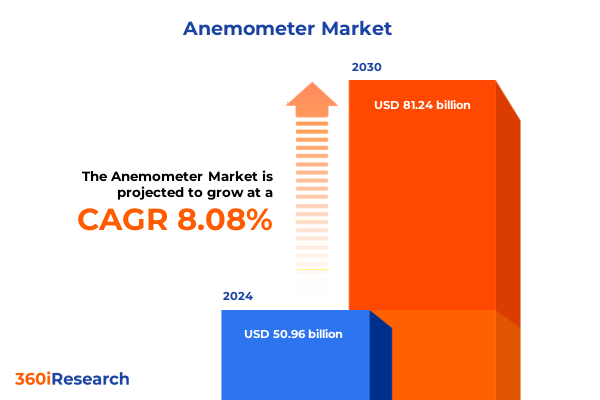
Explore Comprehensive Market Analysis of https://www.360iresearch.com/library/intelligence/anemometer
SOURCE -- https://www.360iresearch.com
In the ever-evolving world of construction, accurate data interpretation is a cornerstone that underpins safety, efficiency, and progress. Among the myriad of essential data streams required, accurate wind data plays a critical role, introducing the rationale behind the increasing reliance on a seemingly humble device – the anemometer.
Understanding the Vital Role of Wind Data
Wind is a dynamic and often unpredictable force of nature that should never be underestimated in the context of construction projects. The integration of accurate wind data is crucial for numerous reasons, such as:
Safety First: A sudden gust of wind could potentially collapse scaffoldings, tip cranes, or dislodge unsecured materials. Understanding wind patterns helps mitigate these risks.
Structural Integrity: Each building is designed with an acceptable range of wind resistance. Unaccounted wind velocity may push structures beyond their designed limit.
Efficient Planning: Understanding wind data aids in beverage planning, minimizing delays, and optimizing resource allocation.
Introducing the Anemometer: A Vital Tool
Traditionally used in meteorology, anemometers measure wind speed and pressure. By capturing real-time wind data, anemometers have become an indispensable tool on construction sites, blending into the broader toolkit of advanced technology-driven construction.
Why Accuracy Matters
With broader technology integration in construction, the real-time wind data provided by anemometers have numerous applications. The need for accuracy arises due to several factors:
Fine Margins: Even slight inaccuracies could affect the stability of cranes and other material-handing equipment.
Dynamic Environment: Construction sites continually evolve with moving parts, requiring precise data for ongoing assessment.
Integration with Simulations: Accurate wind data is vital for integration with predictive models used for structural analysis.
Application in Urban Areas
In the heart of cities, skyscrapers and high-rise buildings are particularly susceptible to wind conditions, which interact in complex ways with existing structures. Anemometers become pivotal in such dense environments where unanticipated forces could spell disaster.
Harnessing Technology for Real-time Decision-Making
Equipped with Wi-Fi and Bluetooth capabilities, modern anemometers can connect directly to site management software. Real-time updates ensure that decision-makers are always equipped with the most current data, exemplifying precision and timeliness.
A Safer, Smarter Future with Data
The surge in demand for high-precision anemometers underscores a simple truth: data-driven approaches lead to better decision-making. Some tangible benefits of integrating anemometers include:
Enhanced Safety Protocols: Armed with precise wind data, project managers can establish safety thresholds, ensuring that work halts under unsafe conditions.
Optimized Schedules: Real-time monitoring allows for adaptive scheduling, focusing on tasks when conditions are most favorable.
Cost Saving: Mitigating risk means fewer accidents, directly reflecting in reduced insurance and liability costs.
Looking Forward: The Evolution of the Anemometer
As with any technology, continuous innovation ensures that tools evolve to become more responsive, accurate, and user-friendly. Anemometers are no exception, seeing advancements such as solar-powered models, machine learning-driven predictions, and integration with smart-tech platforms.
Conclusion: Navigating the Winds of Change
In conclusion, accurately gauging wind conditions is indispensable for modern construction projects. Anemometers serve as a beacon of safety and efficiency, enabling site managers and engineers to navigate the winds of change with data-driven assurance. The increasing reliance on these devices speaks volumes of their critical role, highlighting the imperative need for precision-crafted, real-time data for groundbreaking projects worldwide.
As we progress into an era of smart construction, the anemometer will undoubtedly remain at the forefront, leading the march towards safer and more innovative building practices.
Explore Comprehensive Market Analysis of https://www.360iresearch.com/library/intelligence/anemometer
SOURCE -- https://www.360iresearch.com
Harnessing the Wind: The Critical Role of Anemometers in Modern Construction
In the ever-evolving world of construction, accurate data interpretation is a cornerstone that underpins safety, efficiency, and progress. Among the myriad of essential data streams required, accurate wind data plays a critical role, introducing the rationale behind the increasing reliance on a seemingly humble device – the anemometer.
Understanding the Vital Role of Wind Data
Wind is a dynamic and often unpredictable force of nature that should never be underestimated in the context of construction projects. The integration of accurate wind data is crucial for numerous reasons, such as:
Safety First: A sudden gust of wind could potentially collapse scaffoldings, tip cranes, or dislodge unsecured materials. Understanding wind patterns helps mitigate these risks.
Structural Integrity: Each building is designed with an acceptable range of wind resistance. Unaccounted wind velocity may push structures beyond their designed limit.
Efficient Planning: Understanding wind data aids in beverage planning, minimizing delays, and optimizing resource allocation.
Introducing the Anemometer: A Vital Tool
Traditionally used in meteorology, anemometers measure wind speed and pressure. By capturing real-time wind data, anemometers have become an indispensable tool on construction sites, blending into the broader toolkit of advanced technology-driven construction.
Why Accuracy Matters
With broader technology integration in construction, the real-time wind data provided by anemometers have numerous applications. The need for accuracy arises due to several factors:
Fine Margins: Even slight inaccuracies could affect the stability of cranes and other material-handing equipment.
Dynamic Environment: Construction sites continually evolve with moving parts, requiring precise data for ongoing assessment.
Integration with Simulations: Accurate wind data is vital for integration with predictive models used for structural analysis.
Application in Urban Areas
In the heart of cities, skyscrapers and high-rise buildings are particularly susceptible to wind conditions, which interact in complex ways with existing structures. Anemometers become pivotal in such dense environments where unanticipated forces could spell disaster.
Harnessing Technology for Real-time Decision-Making
Equipped with Wi-Fi and Bluetooth capabilities, modern anemometers can connect directly to site management software. Real-time updates ensure that decision-makers are always equipped with the most current data, exemplifying precision and timeliness.
A Safer, Smarter Future with Data
The surge in demand for high-precision anemometers underscores a simple truth: data-driven approaches lead to better decision-making. Some tangible benefits of integrating anemometers include:
Enhanced Safety Protocols: Armed with precise wind data, project managers can establish safety thresholds, ensuring that work halts under unsafe conditions.
Optimized Schedules: Real-time monitoring allows for adaptive scheduling, focusing on tasks when conditions are most favorable.
Cost Saving: Mitigating risk means fewer accidents, directly reflecting in reduced insurance and liability costs.
Looking Forward: The Evolution of the Anemometer
As with any technology, continuous innovation ensures that tools evolve to become more responsive, accurate, and user-friendly. Anemometers are no exception, seeing advancements such as solar-powered models, machine learning-driven predictions, and integration with smart-tech platforms.
Conclusion: Navigating the Winds of Change
In conclusion, accurately gauging wind conditions is indispensable for modern construction projects. Anemometers serve as a beacon of safety and efficiency, enabling site managers and engineers to navigate the winds of change with data-driven assurance. The increasing reliance on these devices speaks volumes of their critical role, highlighting the imperative need for precision-crafted, real-time data for groundbreaking projects worldwide.
As we progress into an era of smart construction, the anemometer will undoubtedly remain at the forefront, leading the march towards safer and more innovative building practices.
Explore Comprehensive Market Analysis of https://www.360iresearch.com/library/intelligence/anemometer
SOURCE -- https://www.360iresearch.com
0 Comments
0 Shares
508 Views

 Arabic
 Français
 Español
 Português
 Deutsch
 Türkçe
 Dutch
Dutch
 Italiano
 Russian
 Romaian
 Portuguese (Brazil)
 Greek
Greek