


Harnessing Nature's Power: How Edible Mushrooms are Shaping the Future of Functional Foods
In recent years, the spotlight on healthy living and nutrition has centered around not just feeding the body but nourishing it in innovative ways that enhance overall well-being. Enter the world of functional foods, where edible mushrooms are fast becoming a star player. Their climb in popularity speaks volumes not only about health trends but also about a culturally rich history being reimagined in modern kitchens and laboratories.
Understanding Functional Foods
Functional foods are those that provide health benefits beyond basic nutrition. Ranging from dietary fiber supplementation to mental wellness boosts, these foods hold the potential to combat chronic diseases and improve overall health. Among this variety, edible mushrooms have carved a niche, offering a plethora of benefits driven by modern science's revelation of their unique compounds.
The Nutritional Power of Mushrooms
Mushrooms are more than just a culinary delight — they are nutritional powerhouses. High in protein and fiber and low in calories, these fungi are rich in vitamins like B, D, and essential minerals such as selenium, copper, and potassium. But what truly sets them apart is their array of bioactive compounds.
The Rise of Medicinal Mushrooms
Mushroom varieties like reishi, shiitake, and lion's mane have been used in traditional medicine for centuries, notably in Eastern cultures. Their applications are now being repurposed into teas, powders, and supplements, often marketed for their capacity to support immune function, boost brain health, and even alleviate stress.
Reishi: Known as the "mushroom of immortality," its immune-modulating properties help in stress reduction and sleep enhancement.
Shiitake: Beyond its savory taste, shiitake has been linked with improved heart health and enhanced immune defenses.
Lion's Mane: Gaining traction for its neuroprotective properties and potential in combatting cognitive decline and promoting nerve growth.
Backed by Scientific Research
Studies are progressively uncovering potential therapeutic benefits of mushrooms. From recent studies exploring their implications in neurodegenerative diseases to their role in cancer prevention and treatment, mushroom research is thriving.
In 2022, a study published in the "International Journal of Molecular Sciences" highlighted the antioxidative and anti-inflammatory effects of lion's mane's mycelium extract, showing promise in mitigating symptoms of Alzheimer's disease
The Market's Promise
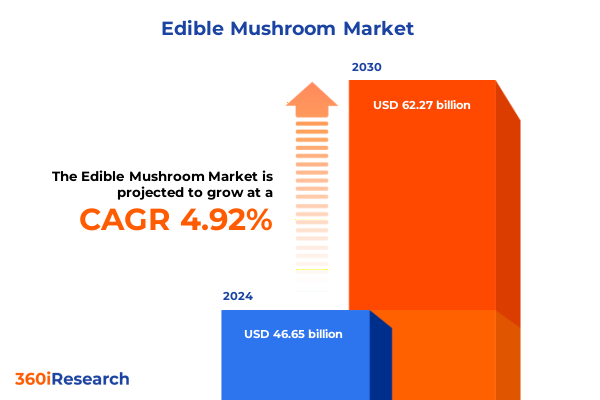
The mushroom market is expected to grow significantly over the next decade. The forecasted compound annual growth rate (CAGR) relies heavily on the cultivars such as shiitake, reishi, and cordyceps as more consumers seek food that combines taste with health benefits. Companies investing early in mushroom-based products stand to gain in market share and consumer loyalty.
Unlocking Culinary Innovations
Chefs worldwide are rediscovering mushrooms, experimenting with both traditional recipes and innovative creations that highlight their potential to satisfy adventurous palates. Mushroom-infused snacks, artisanal breads, condiments, and even beverages are entering the gastronomy scene globally.
Conclusion
The journey of edible mushrooms from mysterious forest organisms to health-promoting power foods is exemplary of the broader movement in nutrition. As they continue to gain traction as a compelling category in the functional foods market, they promise not only to enhance daily diets but to enrich overall quality of life.
Embracing edible mushrooms may just be the key ingredient to fueling healthier futures. This superfood stands ready, inviting curious consumers to partake of its bounty and welcome a new era of gastronomic innovation and natural wellness.
Read More @ https://www.360iresearch.com/library/intelligence/edible-mushroom
SOURCE --https://www.360iresearch.com
In recent years, the spotlight on healthy living and nutrition has centered around not just feeding the body but nourishing it in innovative ways that enhance overall well-being. Enter the world of functional foods, where edible mushrooms are fast becoming a star player. Their climb in popularity speaks volumes not only about health trends but also about a culturally rich history being reimagined in modern kitchens and laboratories.
Understanding Functional Foods
Functional foods are those that provide health benefits beyond basic nutrition. Ranging from dietary fiber supplementation to mental wellness boosts, these foods hold the potential to combat chronic diseases and improve overall health. Among this variety, edible mushrooms have carved a niche, offering a plethora of benefits driven by modern science's revelation of their unique compounds.
The Nutritional Power of Mushrooms
Mushrooms are more than just a culinary delight — they are nutritional powerhouses. High in protein and fiber and low in calories, these fungi are rich in vitamins like B, D, and essential minerals such as selenium, copper, and potassium. But what truly sets them apart is their array of bioactive compounds.
The Rise of Medicinal Mushrooms
Mushroom varieties like reishi, shiitake, and lion's mane have been used in traditional medicine for centuries, notably in Eastern cultures. Their applications are now being repurposed into teas, powders, and supplements, often marketed for their capacity to support immune function, boost brain health, and even alleviate stress.
Reishi: Known as the "mushroom of immortality," its immune-modulating properties help in stress reduction and sleep enhancement.
Shiitake: Beyond its savory taste, shiitake has been linked with improved heart health and enhanced immune defenses.
Lion's Mane: Gaining traction for its neuroprotective properties and potential in combatting cognitive decline and promoting nerve growth.
Backed by Scientific Research
Studies are progressively uncovering potential therapeutic benefits of mushrooms. From recent studies exploring their implications in neurodegenerative diseases to their role in cancer prevention and treatment, mushroom research is thriving.
In 2022, a study published in the "International Journal of Molecular Sciences" highlighted the antioxidative and anti-inflammatory effects of lion's mane's mycelium extract, showing promise in mitigating symptoms of Alzheimer's disease
The Market's Promise
The mushroom market is expected to grow significantly over the next decade. The forecasted compound annual growth rate (CAGR) relies heavily on the cultivars such as shiitake, reishi, and cordyceps as more consumers seek food that combines taste with health benefits. Companies investing early in mushroom-based products stand to gain in market share and consumer loyalty.
Unlocking Culinary Innovations
Chefs worldwide are rediscovering mushrooms, experimenting with both traditional recipes and innovative creations that highlight their potential to satisfy adventurous palates. Mushroom-infused snacks, artisanal breads, condiments, and even beverages are entering the gastronomy scene globally.
Conclusion
The journey of edible mushrooms from mysterious forest organisms to health-promoting power foods is exemplary of the broader movement in nutrition. As they continue to gain traction as a compelling category in the functional foods market, they promise not only to enhance daily diets but to enrich overall quality of life.
Embracing edible mushrooms may just be the key ingredient to fueling healthier futures. This superfood stands ready, inviting curious consumers to partake of its bounty and welcome a new era of gastronomic innovation and natural wellness.
Read More @ https://www.360iresearch.com/library/intelligence/edible-mushroom
SOURCE --https://www.360iresearch.com
Harnessing Nature's Power: How Edible Mushrooms are Shaping the Future of Functional Foods
In recent years, the spotlight on healthy living and nutrition has centered around not just feeding the body but nourishing it in innovative ways that enhance overall well-being. Enter the world of functional foods, where edible mushrooms are fast becoming a star player. Their climb in popularity speaks volumes not only about health trends but also about a culturally rich history being reimagined in modern kitchens and laboratories.
Understanding Functional Foods
Functional foods are those that provide health benefits beyond basic nutrition. Ranging from dietary fiber supplementation to mental wellness boosts, these foods hold the potential to combat chronic diseases and improve overall health. Among this variety, edible mushrooms have carved a niche, offering a plethora of benefits driven by modern science's revelation of their unique compounds.
The Nutritional Power of Mushrooms
Mushrooms are more than just a culinary delight — they are nutritional powerhouses. High in protein and fiber and low in calories, these fungi are rich in vitamins like B, D, and essential minerals such as selenium, copper, and potassium. But what truly sets them apart is their array of bioactive compounds.
The Rise of Medicinal Mushrooms
Mushroom varieties like reishi, shiitake, and lion's mane have been used in traditional medicine for centuries, notably in Eastern cultures. Their applications are now being repurposed into teas, powders, and supplements, often marketed for their capacity to support immune function, boost brain health, and even alleviate stress.
Reishi: Known as the "mushroom of immortality," its immune-modulating properties help in stress reduction and sleep enhancement.
Shiitake: Beyond its savory taste, shiitake has been linked with improved heart health and enhanced immune defenses.
Lion's Mane: Gaining traction for its neuroprotective properties and potential in combatting cognitive decline and promoting nerve growth.
Backed by Scientific Research
Studies are progressively uncovering potential therapeutic benefits of mushrooms. From recent studies exploring their implications in neurodegenerative diseases to their role in cancer prevention and treatment, mushroom research is thriving.
In 2022, a study published in the "International Journal of Molecular Sciences" highlighted the antioxidative and anti-inflammatory effects of lion's mane's mycelium extract, showing promise in mitigating symptoms of Alzheimer's disease
The Market's Promise
The mushroom market is expected to grow significantly over the next decade. The forecasted compound annual growth rate (CAGR) relies heavily on the cultivars such as shiitake, reishi, and cordyceps as more consumers seek food that combines taste with health benefits. Companies investing early in mushroom-based products stand to gain in market share and consumer loyalty.
Unlocking Culinary Innovations
Chefs worldwide are rediscovering mushrooms, experimenting with both traditional recipes and innovative creations that highlight their potential to satisfy adventurous palates. Mushroom-infused snacks, artisanal breads, condiments, and even beverages are entering the gastronomy scene globally.
Conclusion
The journey of edible mushrooms from mysterious forest organisms to health-promoting power foods is exemplary of the broader movement in nutrition. As they continue to gain traction as a compelling category in the functional foods market, they promise not only to enhance daily diets but to enrich overall quality of life.
Embracing edible mushrooms may just be the key ingredient to fueling healthier futures. This superfood stands ready, inviting curious consumers to partake of its bounty and welcome a new era of gastronomic innovation and natural wellness.
Read More @ https://www.360iresearch.com/library/intelligence/edible-mushroom
SOURCE --https://www.360iresearch.com
0 Comments
0 Shares
410 Views

 Arabic
 Français
 Español
 Português
 Deutsch
 Türkçe
 Dutch
Dutch
 Italiano
 Russian
 Romaian
 Portuguese (Brazil)
 Greek
Greek