How are Biofuels a sustainable source of energy for global supply?
Biofuels are widely recognized as a sustainable source of energy because they are produced from renewable biological resources such as agricultural residues, used cooking oil, sugarcane, corn, and biomass waste. Unlike fossil fuels, biofuels help reduce dependence on finite energy sources and support long-term energy security.
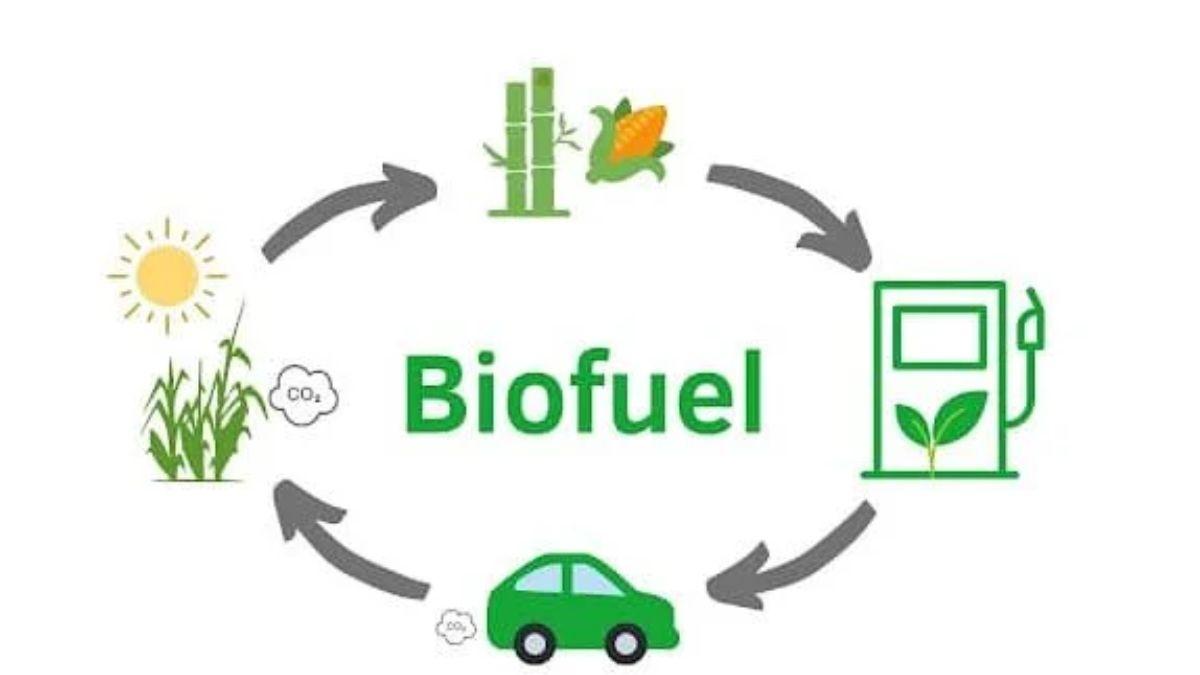
From a biofuel supply and export perspective, sustainability begins with lower greenhouse gas emissions. Biofuels release significantly less carbon dioxide over their lifecycle compared to coal, petrol, and diesel. The carbon emitted during combustion is partially offset by the carbon absorbed during the growth of biomass feedstock, making biofuels a cleaner alternative.
Another key advantage is the use of waste and by-products. Export-grade biofuels such as biodiesel, bioethanol, biomass pellets, and briquettes convert agricultural and industrial waste into valuable energy. This reduces landfill waste while creating an additional income stream for farmers and processors.
Biofuels also support decentralized energy production, allowing exporting countries to supply stable fuel volumes without heavy reliance on crude oil imports. This makes biofuel exporters attractive partners for countries seeking reliable and cost-effective renewable energy solutions.
With rising global demand for clean energy, biofuels play a critical role in meeting sustainability targets. Their scalability, compatibility with existing infrastructure, and growing international trade make biofuels a practical and export-ready solution for the future of energy.
https://www.amoliinternational.com/biofuels.html
#biofuels #renewableenergy #sustainableenergy #bioethanol #biodiesel #biomassenergy #greenenergy #cleanenergy #energytransition #carbonreduction #globalenergymarket
How are Biofuels a sustainable source of energy for global supply?
Biofuels are widely recognized as a sustainable source of energy because they are produced from renewable biological resources such as agricultural residues, used cooking oil, sugarcane, corn, and biomass waste. Unlike fossil fuels, biofuels help reduce dependence on finite energy sources and support long-term energy security.
From a biofuel supply and export perspective, sustainability begins with lower greenhouse gas emissions. Biofuels release significantly less carbon dioxide over their lifecycle compared to coal, petrol, and diesel. The carbon emitted during combustion is partially offset by the carbon absorbed during the growth of biomass feedstock, making biofuels a cleaner alternative.
Another key advantage is the use of waste and by-products. Export-grade biofuels such as biodiesel, bioethanol, biomass pellets, and briquettes convert agricultural and industrial waste into valuable energy. This reduces landfill waste while creating an additional income stream for farmers and processors.
Biofuels also support decentralized energy production, allowing exporting countries to supply stable fuel volumes without heavy reliance on crude oil imports. This makes biofuel exporters attractive partners for countries seeking reliable and cost-effective renewable energy solutions.
With rising global demand for clean energy, biofuels play a critical role in meeting sustainability targets. Their scalability, compatibility with existing infrastructure, and growing international trade make biofuels a practical and export-ready solution for the future of energy.
https://www.amoliinternational.com/biofuels.html
#biofuels #renewableenergy #sustainableenergy #bioethanol #biodiesel #biomassenergy #greenenergy #cleanenergy #energytransition #carbonreduction #globalenergymarket












 Arabic
 Français
 Español
 Português
 Deutsch
 Türkçe
 Dutch
Dutch
 Italiano
 Russian
 Romaian
 Portuguese (Brazil)
 Greek
Greek