AI and IoT: Revolutionizing Thermal Imaging Systems
In recent years, thermal imaging has swiftly expanded beyond its initial niche in the defense sector into wider applications, including healthcare, agriculture, energy management, and smart city infrastructure. At the heart of this evolution lies the technological integration of Artificial Intelligence (AI) and the Internet of Things (IoT), augmenting traditional thermal imaging with enhanced data analysis capabilities.
A New Horizon: From Traditional to Smart Imaging
The consistent progress in semiconductor technology has reduced the cost and increased the accuracy of cooled thermal imagers — devices that have long been appreciated for their sensitivity to minuscule temperature variations. The leap to AI and IoT integration is akin to equipping these devices with a new vision, essentially enabling them to "see" in much more complex dimensions.
The AI Advantage: Enhancing Data Interpretation
AI applications in thermal imaging illuminate the path toward more refined data interpretation. Here's how:
Pattern Recognition: AI algorithms can detect patterns and anomalies that might be invisible to a human observer. For example, in preventive maintenance of machinery, AI can identify abnormal temperature patterns that signify potential failures, facilitating proactive intervention.
Real-Time Analysis: AI systems process immense streams of data swiftly, turning raw thermal data into actionable insights in real-time. This speed is particularly crucial in emergencies, such as monitoring for fires in disaster-prone areas.
Predictive Analytics: Leveraging historical data, AI models can predict future scenarios with remarkable precision. For instance, in agriculture, AI-driven thermal imaging can anticipate crop disease outbreaks based on subtle thermal patterns.
IoT Embedding: Crafting a Connected Ecosystem
The true power of modern thermal imaging emerges when AI is paired with IoT technology, creating an interconnected web of thermal devices able to communicate and operate synergistically:
Remote Monitoring & Control: IoT enables remote operations and oversight of multiple thermal imaging devices, supporting vast networks such as smart city environments. Real-time data from these widely dispersed devices can be analyzed collectively for broader insights.
Adaptive Systems: IoT-capable devices can adjust their operations based on the data they generate and receive. This means smart thermostats in homes or business venues can automatically alter temperature settings based on thermal feedback, optimizing energy consumption.
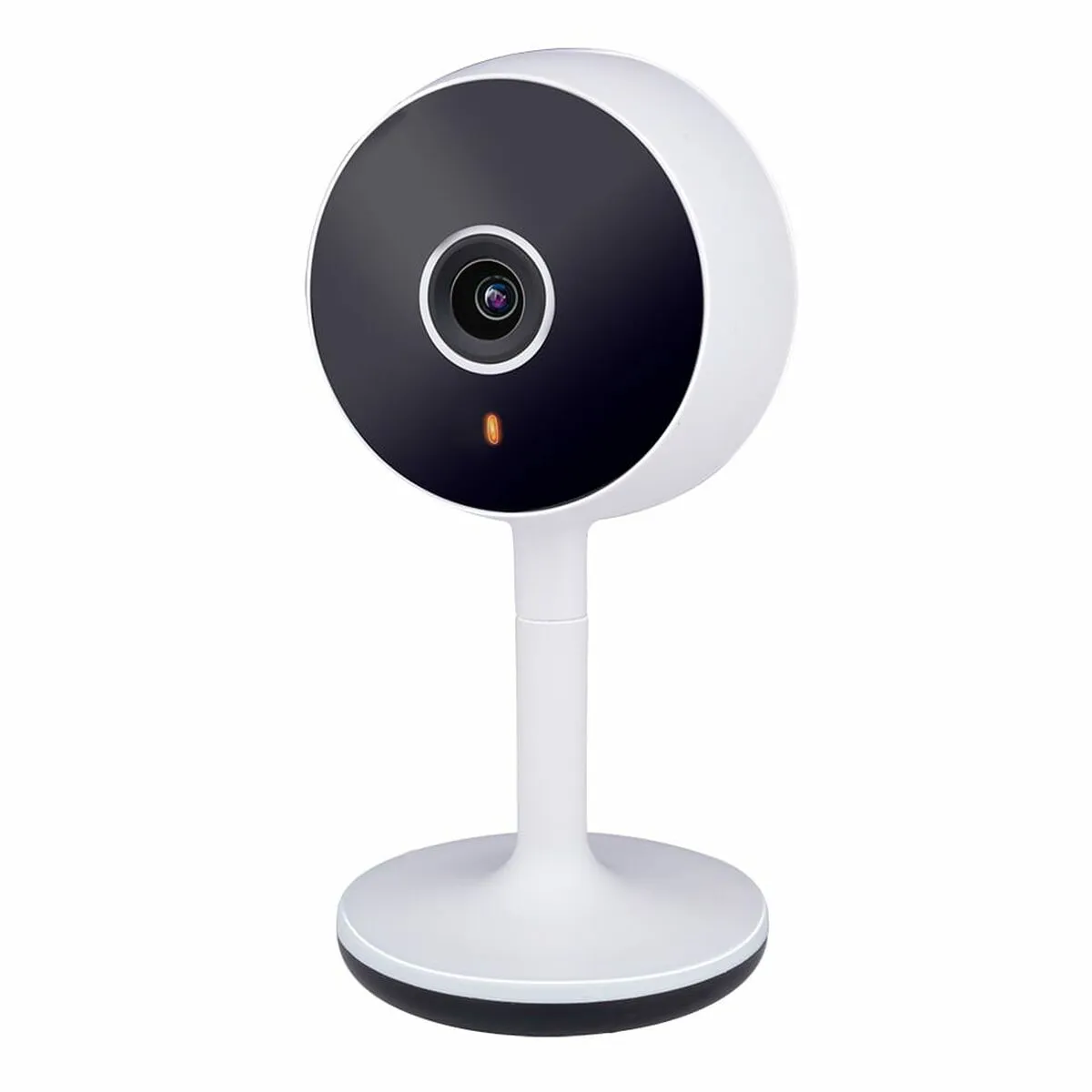
Interoperability: Interconnectedness through IoT means integration with other smart systems such as surveillance cameras and alarms, forming a comprehensive security network where thermal patterns trigger wider precautionary responses.
Real-World Impacts: A Revolutionary Endorsement
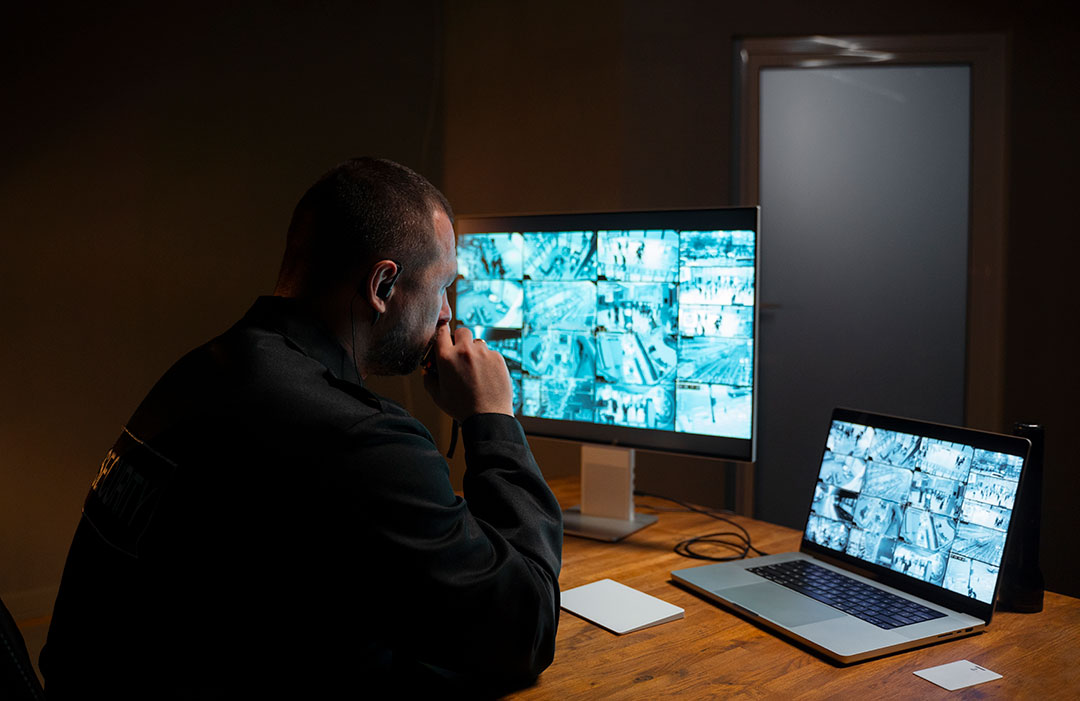
Urban Security: Cities are leveraging thermal imaging combined with AI/IoT technologies to monitor congested areas, ensuring safety while aiding in public health assessments, crucial during pandemics.
Energy Efficiency: Whole-building energy assessments through advanced thermal imaging can flag inefficient insulation or HVAC operations, facilitating energy conservation initiatives.
Wildlife Conservation: In wild terrains where direct human monitoring is challenging, thermal imagers equipped with AI can identify illegal poachers through heat signatures, supporting conservation efforts.
Challenges and The Road Ahead
Even as we celebrate these synergies, the journey is not without its challenges. The massive data from these systems must be securely processed and stored, requiring robust cybersecurity measures. Moreover, there is a perpetual need for refining AI algorithms to improve accuracy.
Conclusion: Forging the Future Together
As AI and IoT continue to reshape thermal imaging, the shower of benefits spans diverse industries, enhancing operational efficiencies and unveiling novel applications. However, this also beckons collective efforts in policy-making, privacy, and ethical usage while simultaneously focusing on advancing technological research.
In conclusion, the convergence of AI and IoT with thermal imaging systems is not just a trend—it's revolutionizing how we analyze environments and make decisions. As these technologies evolve, so too will the value and potential they bring to a continually warming world, driven by climate challenges and industrial demands. The insight they provide today paves the way for a more informed and interconnected tomorrow.
Explore Comprehensive Market Analysis of
https://www.360iresearch.com/library/intelligence/continuous-zoom-medium-wave-cooled-thermal-imager
SOURCE --
https://www.360iresearch.comAI and IoT: Revolutionizing Thermal Imaging Systems
In recent years, thermal imaging has swiftly expanded beyond its initial niche in the defense sector into wider applications, including healthcare, agriculture, energy management, and smart city infrastructure. At the heart of this evolution lies the technological integration of Artificial Intelligence (AI) and the Internet of Things (IoT), augmenting traditional thermal imaging with enhanced data analysis capabilities.
A New Horizon: From Traditional to Smart Imaging
The consistent progress in semiconductor technology has reduced the cost and increased the accuracy of cooled thermal imagers — devices that have long been appreciated for their sensitivity to minuscule temperature variations. The leap to AI and IoT integration is akin to equipping these devices with a new vision, essentially enabling them to "see" in much more complex dimensions.
The AI Advantage: Enhancing Data Interpretation
AI applications in thermal imaging illuminate the path toward more refined data interpretation. Here's how:
Pattern Recognition: AI algorithms can detect patterns and anomalies that might be invisible to a human observer. For example, in preventive maintenance of machinery, AI can identify abnormal temperature patterns that signify potential failures, facilitating proactive intervention.
Real-Time Analysis: AI systems process immense streams of data swiftly, turning raw thermal data into actionable insights in real-time. This speed is particularly crucial in emergencies, such as monitoring for fires in disaster-prone areas.
Predictive Analytics: Leveraging historical data, AI models can predict future scenarios with remarkable precision. For instance, in agriculture, AI-driven thermal imaging can anticipate crop disease outbreaks based on subtle thermal patterns.
IoT Embedding: Crafting a Connected Ecosystem
The true power of modern thermal imaging emerges when AI is paired with IoT technology, creating an interconnected web of thermal devices able to communicate and operate synergistically:
Remote Monitoring & Control: IoT enables remote operations and oversight of multiple thermal imaging devices, supporting vast networks such as smart city environments. Real-time data from these widely dispersed devices can be analyzed collectively for broader insights.
Adaptive Systems: IoT-capable devices can adjust their operations based on the data they generate and receive. This means smart thermostats in homes or business venues can automatically alter temperature settings based on thermal feedback, optimizing energy consumption.
Interoperability: Interconnectedness through IoT means integration with other smart systems such as surveillance cameras and alarms, forming a comprehensive security network where thermal patterns trigger wider precautionary responses.
Real-World Impacts: A Revolutionary Endorsement
Urban Security: Cities are leveraging thermal imaging combined with AI/IoT technologies to monitor congested areas, ensuring safety while aiding in public health assessments, crucial during pandemics.
Energy Efficiency: Whole-building energy assessments through advanced thermal imaging can flag inefficient insulation or HVAC operations, facilitating energy conservation initiatives.
Wildlife Conservation: In wild terrains where direct human monitoring is challenging, thermal imagers equipped with AI can identify illegal poachers through heat signatures, supporting conservation efforts.
Challenges and The Road Ahead
Even as we celebrate these synergies, the journey is not without its challenges. The massive data from these systems must be securely processed and stored, requiring robust cybersecurity measures. Moreover, there is a perpetual need for refining AI algorithms to improve accuracy.
Conclusion: Forging the Future Together
As AI and IoT continue to reshape thermal imaging, the shower of benefits spans diverse industries, enhancing operational efficiencies and unveiling novel applications. However, this also beckons collective efforts in policy-making, privacy, and ethical usage while simultaneously focusing on advancing technological research.
In conclusion, the convergence of AI and IoT with thermal imaging systems is not just a trend—it's revolutionizing how we analyze environments and make decisions. As these technologies evolve, so too will the value and potential they bring to a continually warming world, driven by climate challenges and industrial demands. The insight they provide today paves the way for a more informed and interconnected tomorrow.
Explore Comprehensive Market Analysis of https://www.360iresearch.com/library/intelligence/continuous-zoom-medium-wave-cooled-thermal-imager
SOURCE -- https://www.360iresearch.com







 Arabic
 Français
 Español
 Português
 Deutsch
 Türkçe
 Dutch
Dutch
 Italiano
 Russian
 Romaian
 Portuguese (Brazil)
 Greek
Greek