Managing employee travel isn’t easy. Especially for large companies with hundreds of employees traveling every day for meetings, client visits, or shift work.
Relying on third-party taxi apps may seem convenient at first. But over time, it brings a mix of hidden costs, operational headaches, and a lack of control.
That’s why many large companies now want their own ride-hailing software.
Let’s understand what’s driving this shift.
1. Cost control and transparency
Using public ride-hailing apps often leads to unpredictable costs. Surge pricing, peak-hour charges, and inconsistent fares make it hard to forecast monthly travel budgets. There’s also limited visibility into billing breakdowns.
With in-house ride-hailing software, companies can set fixed fares, cap maximum ride costs, and avoid sudden price spikes. They can also monitor each ride in real time and see exactly where the money is going. It helps teams keep travel expenses in check and improves overall accountability.
2. Full control over ride policies
Public platforms don’t follow internal company rules. If your policy allows only certain employees to use taxis after 8 PM or restricts ride access to specific zones, you can’t enforce that on an external app.
In-house systems allow you to set up ride policies based on employee roles, time, location, or budget. You can decide who can book rides, when, and under what conditions. This level of control helps reduce misuse and ensures that travel stays within company guidelines.
3. Improved security and employee safety
Safety is a big concern, especially during late-night or long-distance travel. Third-party drivers may not always go through the same background checks or training standards you’d expect.
With company-managed ride-hailing software, rides are assigned only to verified and known drivers. The platform can share driver profiles with employees before the trip starts. There’s also live tracking, emergency buttons, and instant communication features built in.
This gives both the company and the employee peace of mind.
4. Better ride availability during peak hours
On public apps, your employees are competing with the general public for cabs, especially during peak hours, rain, or high-demand events. This often causes delays, missed meetings, or late arrivals.
With an in-house platform, rides are dispatched from a dedicated pool of company drivers or contracted fleets. You control the supply. Employees don’t have to keep checking apps or waiting endlessly. It ensures reliable pickups when needed the most.
5. Centralized view of operations
When you use third-party services, data is scattered. You don’t get a complete picture of who’s riding where, how often, or how much is being spent.
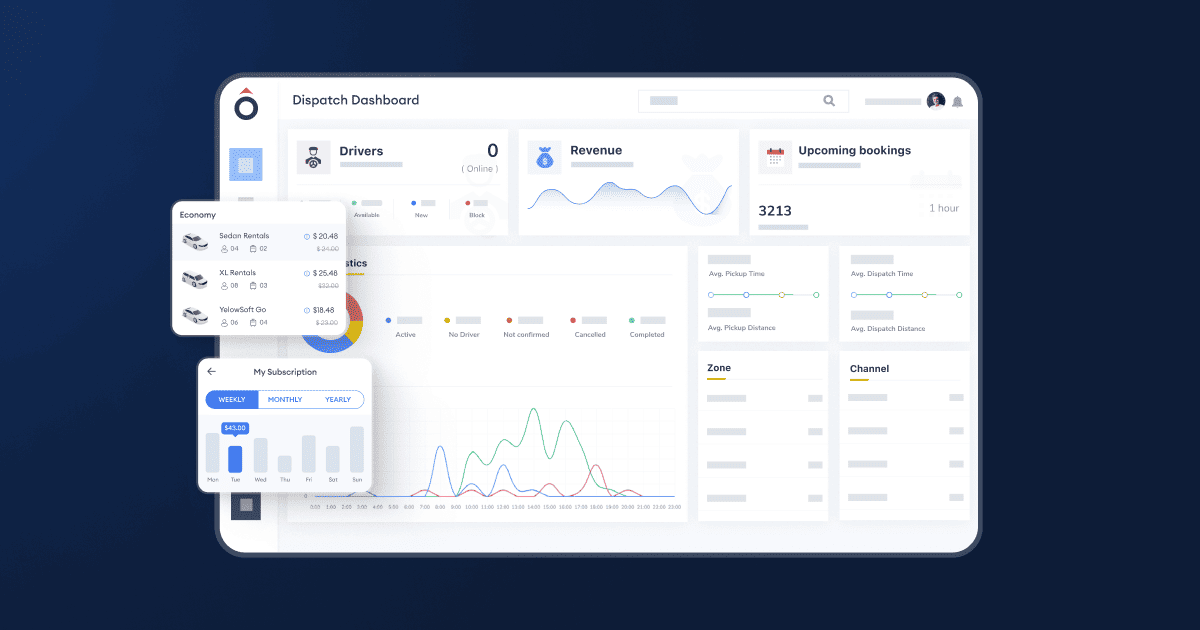
With your own ride-hailing software, everything is in one place. You can view ride histories, peak travel times, top destinations, and driver performance. This helps you make smarter decisions, whether it’s expanding driver coverage or tweaking office timings to reduce ride costs.
Conclusion
More companies are realizing that depending on third-party taxi apps doesn't offer the flexibility, control, or value they need. With in-house ride-hailing software, they get to manage employee travel on their own terms while improving cost-efficiency, safety, and experience.
Whether you’re handling thousands of daily rides or just want better visibility, the shift to in-house ride management could be the smarter move.
more info:-
https://www.yelowsoft.com/ride-hailing-software/Managing employee travel isn’t easy. Especially for large companies with hundreds of employees traveling every day for meetings, client visits, or shift work.
Relying on third-party taxi apps may seem convenient at first. But over time, it brings a mix of hidden costs, operational headaches, and a lack of control.
That’s why many large companies now want their own ride-hailing software.
Let’s understand what’s driving this shift.
1. Cost control and transparency
Using public ride-hailing apps often leads to unpredictable costs. Surge pricing, peak-hour charges, and inconsistent fares make it hard to forecast monthly travel budgets. There’s also limited visibility into billing breakdowns.
With in-house ride-hailing software, companies can set fixed fares, cap maximum ride costs, and avoid sudden price spikes. They can also monitor each ride in real time and see exactly where the money is going. It helps teams keep travel expenses in check and improves overall accountability.
2. Full control over ride policies
Public platforms don’t follow internal company rules. If your policy allows only certain employees to use taxis after 8 PM or restricts ride access to specific zones, you can’t enforce that on an external app.
In-house systems allow you to set up ride policies based on employee roles, time, location, or budget. You can decide who can book rides, when, and under what conditions. This level of control helps reduce misuse and ensures that travel stays within company guidelines.
3. Improved security and employee safety
Safety is a big concern, especially during late-night or long-distance travel. Third-party drivers may not always go through the same background checks or training standards you’d expect.
With company-managed ride-hailing software, rides are assigned only to verified and known drivers. The platform can share driver profiles with employees before the trip starts. There’s also live tracking, emergency buttons, and instant communication features built in.
This gives both the company and the employee peace of mind.
4. Better ride availability during peak hours
On public apps, your employees are competing with the general public for cabs, especially during peak hours, rain, or high-demand events. This often causes delays, missed meetings, or late arrivals.
With an in-house platform, rides are dispatched from a dedicated pool of company drivers or contracted fleets. You control the supply. Employees don’t have to keep checking apps or waiting endlessly. It ensures reliable pickups when needed the most.
5. Centralized view of operations
When you use third-party services, data is scattered. You don’t get a complete picture of who’s riding where, how often, or how much is being spent.
With your own ride-hailing software, everything is in one place. You can view ride histories, peak travel times, top destinations, and driver performance. This helps you make smarter decisions, whether it’s expanding driver coverage or tweaking office timings to reduce ride costs.
Conclusion
More companies are realizing that depending on third-party taxi apps doesn't offer the flexibility, control, or value they need. With in-house ride-hailing software, they get to manage employee travel on their own terms while improving cost-efficiency, safety, and experience.
Whether you’re handling thousands of daily rides or just want better visibility, the shift to in-house ride management could be the smarter move.
more info:- https://www.yelowsoft.com/ride-hailing-software/













 English
 Arabic
 Français
 Español
 Português
 Deutsch
 Türkçe
 Dutch
Dutch
 Italiano
 Russian
 Portuguese (Brazil)
 Greek
Greek