• What if your JD Edwards system could help you go beyond standard, repetitive processes?

    With the right support, you can leverage continuous efficiency, growth, and measurable results with your hashtag#JDEERP.

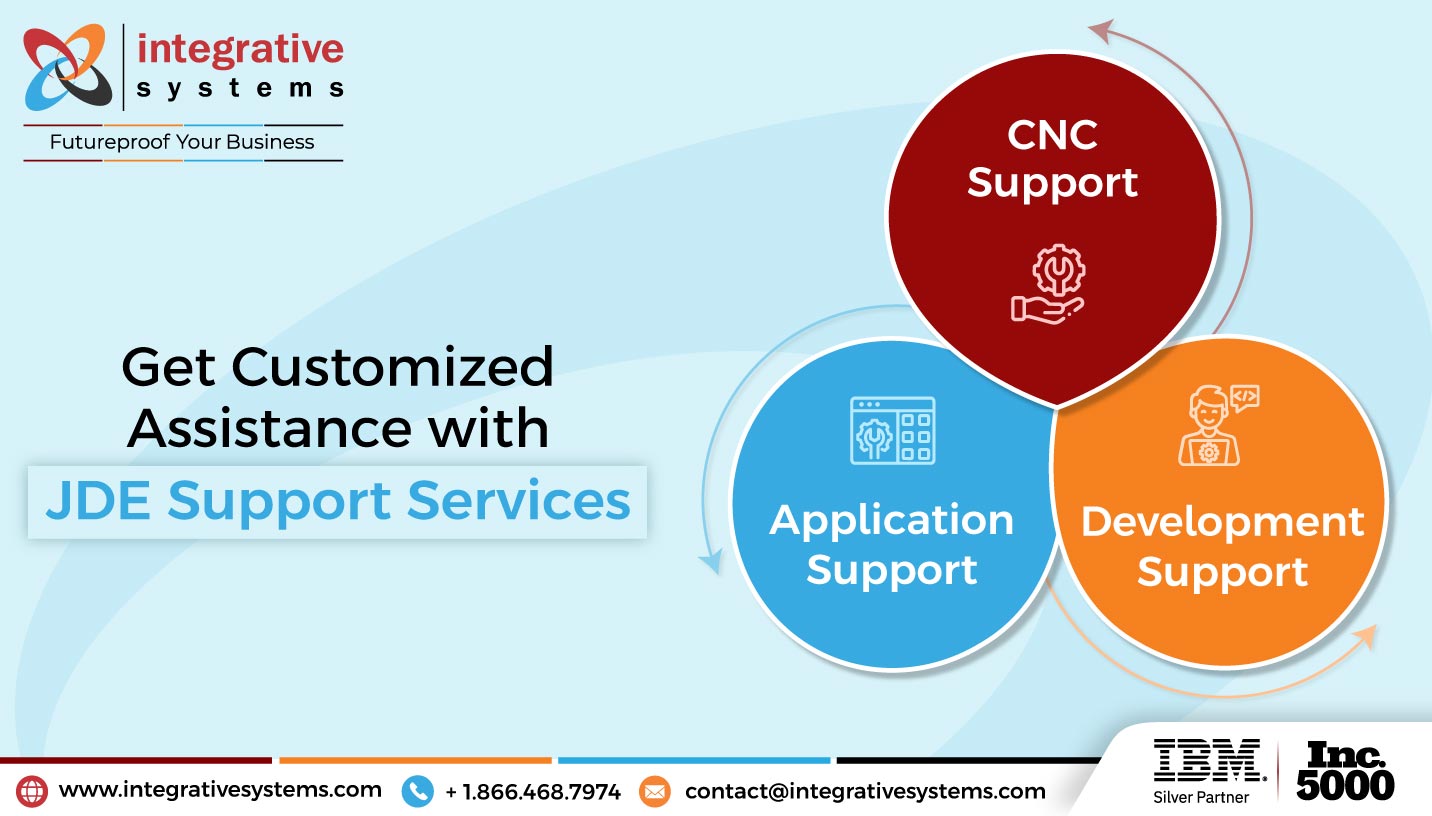
    Our JD Edwards Support Services follow a proven three-tiered model to ensure your system operates at its best -

    CNC Administrator – System Support

    ✓Maintain system environments, monitor performance, and handle upgrades
    ✓Manage user access and security seamlessly
    ✓Implement third-party platforms like workflow tools or reporting add-ons

    Business Analyst – Application Support

    ✓Troubleshoot functional and process-related issues across departments
    ✓Resolve data-related challenges for accurate reporting and decision-making
    ✓Recommend optimization and process improvements

    Developer Support

    ✓Build native JD Edwards enhancements and custom solutions
    ✓Handle the full development lifecycle: design, testing, and deployment
    ✓Collaborate with BAs to create solutions tailored to business needs

    Clerical Support

    ✓Optimize financial processes to improve the efficiency of daily AP/AR activities
    ✓Provide clerical and administrative support to streamline financial operations

    We align our expertise with your goals to deliver measurable results, helping you operate efficiently and grow confidently.

    With 25+ years of JD Edwards expertise, we turn support into a strategic advantage, improving productivity & agility at the same time.

    Ready to unlock the full potential of your JD Edwards system?

    Discover how expert support can revolutionize your business. Get started today!

    Explore all the possibilities here >>https://www.integrativesystems.com/capabilities/jde-support-services/
    What if your JD Edwards system could help you go beyond standard, repetitive processes? With the right support, you can leverage continuous efficiency, growth, and measurable results with your hashtag#JDEERP. Our JD Edwards Support Services follow a proven three-tiered model to ensure your system operates at its best - CNC Administrator – System Support ✓Maintain system environments, monitor performance, and handle upgrades ✓Manage user access and security seamlessly ✓Implement third-party platforms like workflow tools or reporting add-ons Business Analyst – Application Support ✓Troubleshoot functional and process-related issues across departments ✓Resolve data-related challenges for accurate reporting and decision-making ✓Recommend optimization and process improvements Developer Support ✓Build native JD Edwards enhancements and custom solutions ✓Handle the full development lifecycle: design, testing, and deployment ✓Collaborate with BAs to create solutions tailored to business needs Clerical Support ✓Optimize financial processes to improve the efficiency of daily AP/AR activities ✓Provide clerical and administrative support to streamline financial operations We align our expertise with your goals to deliver measurable results, helping you operate efficiently and grow confidently. With 25+ years of JD Edwards expertise, we turn support into a strategic advantage, improving productivity & agility at the same time. Ready to unlock the full potential of your JD Edwards system? Discover how expert support can revolutionize your business. Get started today! Explore all the possibilities here >>https://www.integrativesystems.com/capabilities/jde-support-services/
    WWW.INTEGRATIVESYSTEMS.COM
    JD Edwards Support Services
    Our JD Edwards Support across CNC, business analysis, development, & back-office areas boosts performance, strengthens security, & optimizes your JDE ecosystem.
    0 Comments 0 Shares 572 Views
  • MESSAGE TO BUSINESS LEADERS - JDE Upgrades aren’t just maintenance - they’re an opportunity.

    In enterprise systems, staying on an old hashtag#JDEdwards version might feel “safe,” but growth, efficiency, and innovation come to those who proactively evolve their technology.

    hashtag#Upgrading is not just a technical step - it’s a strategic move toward stronger performance, greater stability, and smarter operations.

    From our experience, organizations that adopt the latest JD Edwards releases consistently -

    Strengthen system stability and continuity
    Improve performance across financials, logistics, and operations
    Unlock tools and features that support smarter, faster business decisions

    “Upgrades are the bridge between where your business is today and where it can confidently grow tomorrow.”

    With our structured JD Edwards Upgrade Services, we -

    Assess your environment and platform
    Align versions and create a clear roadmap
    Execute end-to-end upgrades seamlessly
    Optimize and tune systems post-upgrade for long-term health

    We put your success first and collaborate as an extension of your team to deliver meaningful, measurable results.

    Turn upgrades into your strategic advantage - driving stronger operations, continuous innovation, and a future-ready business.

    Read more - https://www.integrativesystems.com/capabilities/jd-edwards-upgrade-services/
    MESSAGE TO BUSINESS LEADERS - JDE Upgrades aren’t just maintenance - they’re an opportunity. In enterprise systems, staying on an old hashtag#JDEdwards version might feel “safe,” but growth, efficiency, and innovation come to those who proactively evolve their technology. hashtag#Upgrading is not just a technical step - it’s a strategic move toward stronger performance, greater stability, and smarter operations. From our experience, organizations that adopt the latest JD Edwards releases consistently - Strengthen system stability and continuity Improve performance across financials, logistics, and operations Unlock tools and features that support smarter, faster business decisions “Upgrades are the bridge between where your business is today and where it can confidently grow tomorrow.” With our structured JD Edwards Upgrade Services, we - Assess your environment and platform Align versions and create a clear roadmap Execute end-to-end upgrades seamlessly Optimize and tune systems post-upgrade for long-term health We put your success first and collaborate as an extension of your team to deliver meaningful, measurable results. Turn upgrades into your strategic advantage - driving stronger operations, continuous innovation, and a future-ready business. Read more - https://www.integrativesystems.com/capabilities/jd-edwards-upgrade-services/
    WWW.INTEGRATIVESYSTEMS.COM
    JD Edwards Upgrade Services
    Upgrade to JD Edwards EnterpriseOne 9.2 with expert consultants. Improve performance, security, automation, and long-term ERP stability.
    0 Comments 0 Shares 521 Views
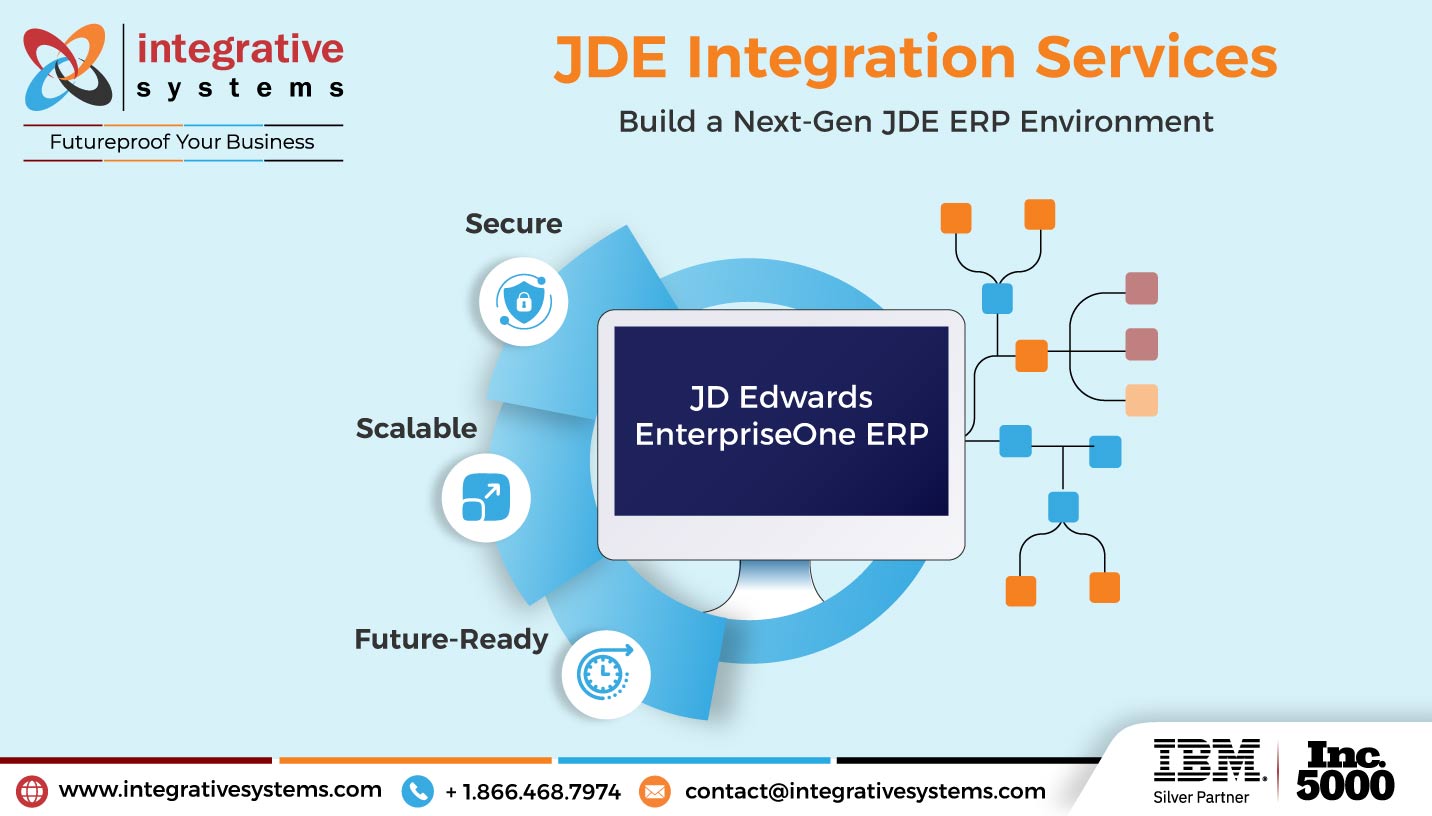
  • Integrating hashtag#JDEdwards doesn’t have to be overwhelming. With the right focus and expertise, your systems can become a central hub of reliable, actionable data that drives growth.

    At Integrative Systems, we help you succeed first, ensuring every hashtag#integration delivers measurable business value.

    Here’s how we help organizations succeed -

    ✔Focus on what matters most
    Prioritize the integration that delivers the highest impact - whether it’s finance, supply chain, or manufacturing

    ✔Choose the right integration approach
    From orchestrations and hashtag#AIS REST endpoints to hashtag#APIs, middleware, hashtag#EDI, and bolt-on tools - we ensure every connection is robust and scalable.

    ✔Measure outcomes that matter
    Track improvements in reporting speed, data accuracy, and operational visibility - so every integration drives tangible business results

    We specialize in -

    ✔Orchestrations and AIS REST endpoints
    ✔API and middleware integrations
    ✔EDI and partner connectivity
    ✔Data warehouse and analytics platforms
    ✔IoT and operational system integrations
    ✔Bolt-on tools and optimization solutions

    Integration is more than connecting systems - it’s about building a unified, agile environment that empowers your teams to make confident, data-driven decisions, anywhere, anytime.

    Discover how we can transform your JD Edwards ecosystem>>https://www.integrativesystems.com/capabilities/jde-integration-services/
    Integrating hashtag#JDEdwards doesn’t have to be overwhelming. With the right focus and expertise, your systems can become a central hub of reliable, actionable data that drives growth. At Integrative Systems, we help you succeed first, ensuring every hashtag#integration delivers measurable business value. Here’s how we help organizations succeed - ✔Focus on what matters most Prioritize the integration that delivers the highest impact - whether it’s finance, supply chain, or manufacturing ✔Choose the right integration approach From orchestrations and hashtag#AIS REST endpoints to hashtag#APIs, middleware, hashtag#EDI, and bolt-on tools - we ensure every connection is robust and scalable. ✔Measure outcomes that matter Track improvements in reporting speed, data accuracy, and operational visibility - so every integration drives tangible business results We specialize in - ✔Orchestrations and AIS REST endpoints ✔API and middleware integrations ✔EDI and partner connectivity ✔Data warehouse and analytics platforms ✔IoT and operational system integrations ✔Bolt-on tools and optimization solutions Integration is more than connecting systems - it’s about building a unified, agile environment that empowers your teams to make confident, data-driven decisions, anywhere, anytime. Discover how we can transform your JD Edwards ecosystem>>https://www.integrativesystems.com/capabilities/jde-integration-services/
    WWW.INTEGRATIVESYSTEMS.COM
    JD Edwards E1 Integration Services
    Set up JD Edwards E1 integrations, connect external systems, and automate workflows to build a more connected environment with Integrative Systems.
    0 Comments 0 Shares 491 Views
  • Imagine it’s the end of the month, and you’re a finance manager at a growing company. AP/AR reconciliations are ready to review, reports take time to compile, and system updates are an opportunity to enhance efficiency across teams.

    With Integrative Systems hashtag#JDEdwards Support by your side, everything changes -

    A hashtag#CNC administrator keeps your system optimized, ensures smooth updates, and minimizes surprises.

    A business analyst resolves functional or data issues quickly while recommending process improvements that save hours every week.

    A hashtag#developer automates repetitive tasks, enhances reporting accuracy, and tailors the system to your team’s needs.

    Clerical support streamlines daily operations, freeing your team to focus on strategic priorities.

    The result? Monthly reconciliations finish on time. Reports are ready when you need them. Updates become opportunities.

    Your team operates smarter, faster, and with confidence, and JD Edwards becomes more than a system - it becomes a strategic engine driving your business forward.

    With 25+ years of JD Edwards expertise, we don’t just support your system — we map our skills to your goals, delivering measurable results, continuous efficiency, and tangible growth.

    Imagine what your JD Edwards system could do if it truly worked for you. The story your team wants to tell starts here.

    Ready to make it a reality? Let’s get started.

    Explore all the possibilities here >>https://www.integrativesystems.com/capabilities/jde-support-services/
    Imagine it’s the end of the month, and you’re a finance manager at a growing company. AP/AR reconciliations are ready to review, reports take time to compile, and system updates are an opportunity to enhance efficiency across teams. With Integrative Systems hashtag#JDEdwards Support by your side, everything changes - A hashtag#CNC administrator keeps your system optimized, ensures smooth updates, and minimizes surprises. A business analyst resolves functional or data issues quickly while recommending process improvements that save hours every week. A hashtag#developer automates repetitive tasks, enhances reporting accuracy, and tailors the system to your team’s needs. Clerical support streamlines daily operations, freeing your team to focus on strategic priorities. The result? Monthly reconciliations finish on time. Reports are ready when you need them. Updates become opportunities. Your team operates smarter, faster, and with confidence, and JD Edwards becomes more than a system - it becomes a strategic engine driving your business forward. With 25+ years of JD Edwards expertise, we don’t just support your system — we map our skills to your goals, delivering measurable results, continuous efficiency, and tangible growth. Imagine what your JD Edwards system could do if it truly worked for you. The story your team wants to tell starts here. Ready to make it a reality? Let’s get started. Explore all the possibilities here >>https://www.integrativesystems.com/capabilities/jde-support-services/
    WWW.INTEGRATIVESYSTEMS.COM
    JD Edwards Support Services
    Our JD Edwards Support across CNC, business analysis, development, & back-office areas boosts performance, strengthens security, & optimizes your JDE ecosystem.
    0 Comments 0 Shares 450 Views
  • L&T Mahalaxmi South Mumbai Apartments

    L&T Mahalaxmi presents premium 3, 4 & 5 BHK sea view apartments in Mahalaxmi, South Mumbai. Enjoy iconic skyline views, spacious layouts, luxury amenities, and seamless access to key business hubs, making it an ideal address for refined urban living.

    Hashtags: #LTMahalaxmi #SouthMumbaiHomes #SeaFacingApartments #LuxuryLiving #MumbaiRealEstate

    https://lntmahalaxmi.co.in/
    L&T Mahalaxmi South Mumbai Apartments L&T Mahalaxmi presents premium 3, 4 & 5 BHK sea view apartments in Mahalaxmi, South Mumbai. Enjoy iconic skyline views, spacious layouts, luxury amenities, and seamless access to key business hubs, making it an ideal address for refined urban living. Hashtags: #LTMahalaxmi #SouthMumbaiHomes #SeaFacingApartments #LuxuryLiving #MumbaiRealEstate https://lntmahalaxmi.co.in/
    L&T Mahalaxmi Mumbai - Upcoming Project by L&T Realty
    L&T Mahalaxmi Mumbai offers luxury 3, 4 & 5 BHK sea-view apartments in South Mumbai with premium amenities, prime location & elegant floor plans
    0 Comments 0 Shares 634 Views
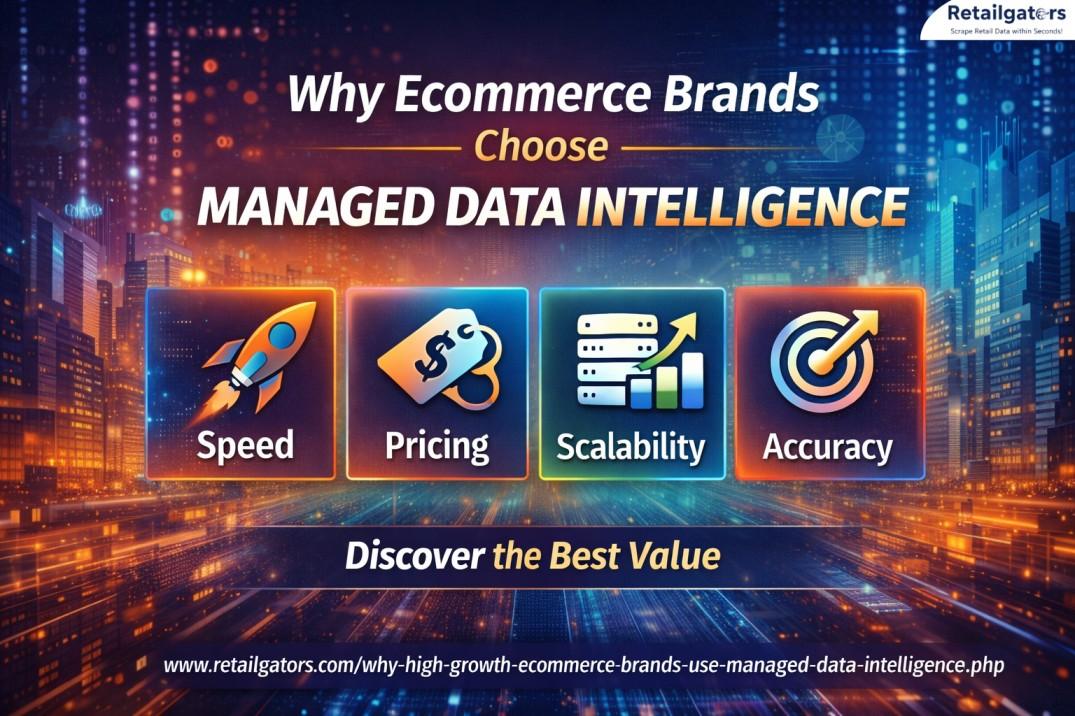
  • The secret to scaling ecommerce brands? Managed Data Intelligence

    Fast-growing brands use it to cut costs, gain real-time insights, and free up leadership time to focus on growth decisions.

    Learn more:
    https://www.retailgators.com/why-high-growth-ecommerce-brands-use-managed-data-intelligence.php

    Hashtags:
    #Ecommerce #DataIntelligence #BusinessGrowth #RetailTech #DataDriven #EcommerceSuccess #USA #UK #Canada #Australia #UAE
    The secret to scaling ecommerce brands? Managed Data Intelligence 💡 Fast-growing brands use it to cut costs, gain real-time insights, and free up leadership time to focus on growth decisions. 👉 Learn more: https://www.retailgators.com/why-high-growth-ecommerce-brands-use-managed-data-intelligence.php Hashtags: #Ecommerce #DataIntelligence #BusinessGrowth #RetailTech #DataDriven #EcommerceSuccess #USA #UK #Canada #Australia #UAE
    0 Comments 0 Shares 892 Views
  • B2B lead generation is challenging, but using the AIDA framework—Attention, Interest, Desire, Action—can help streamline your marketing efforts and convert prospects into loyal clients. Here’s how you can leverage AIDA for B2B lead generation.

    1. Capture Attention
    The first step in the AIDA framework is grabbing your prospect’s attention. Use eye-catching headlines, engaging visuals, and data-driven insights in your campaigns. B2B buyers are busy, so a strong hook is essential to make them stop and notice your offer.

    2. Build Interest
    Once you have their attention, nurture interest by offering content that educates and informs. Webinars, whitepapers, case studies, and blog posts can demonstrate your industry expertise and provide value to your target audience.

    3. Spark Desire
    Create desire by showcasing how your product or service solves specific pain points. Highlight ROI, efficiency improvements, or client success stories to make prospects envision the benefits of working with your brand.

    4. Drive Action
    Finally, guide your leads toward a clear call-to-action. This could be booking a demo, signing up for a newsletter, or requesting a consultation. Make the process simple and frictionless to maximize conversions.

    5. Monitor and Optimize
    Track each stage of your AIDA funnel to see where prospects drop off. Use analytics to refine messaging, optimize campaigns, and improve lead generation performance over time.

    By applying AIDA to B2B lead generation, you can create a structured approach that moves prospects from awareness to action efficiently. Consistency, value-driven content, and clear calls-to-action are key to success.

    know more.

    Hashtags:

    #B2BMarketing #LeadGeneration #AIDAFramework #MarketingStrategy #BusinessGrowth
    B2B lead generation is challenging, but using the AIDA framework—Attention, Interest, Desire, Action—can help streamline your marketing efforts and convert prospects into loyal clients. Here’s how you can leverage AIDA for B2B lead generation. 1. Capture Attention The first step in the AIDA framework is grabbing your prospect’s attention. Use eye-catching headlines, engaging visuals, and data-driven insights in your campaigns. B2B buyers are busy, so a strong hook is essential to make them stop and notice your offer. 2. Build Interest Once you have their attention, nurture interest by offering content that educates and informs. Webinars, whitepapers, case studies, and blog posts can demonstrate your industry expertise and provide value to your target audience. 3. Spark Desire Create desire by showcasing how your product or service solves specific pain points. Highlight ROI, efficiency improvements, or client success stories to make prospects envision the benefits of working with your brand. 4. Drive Action Finally, guide your leads toward a clear call-to-action. This could be booking a demo, signing up for a newsletter, or requesting a consultation. Make the process simple and frictionless to maximize conversions. 5. Monitor and Optimize Track each stage of your AIDA funnel to see where prospects drop off. Use analytics to refine messaging, optimize campaigns, and improve lead generation performance over time. By applying AIDA to B2B lead generation, you can create a structured approach that moves prospects from awareness to action efficiently. Consistency, value-driven content, and clear calls-to-action are key to success. know more. Hashtags: #B2BMarketing #LeadGeneration #AIDAFramework #MarketingStrategy #BusinessGrowth
    0 Comments 0 Shares 831 Views
  • How to Improve B2B Growth with Data Hygiene
    In today’s data-driven B2B landscape, clean and reliable data is the foundation of sustainable growth. Many organizations invest heavily in marketing automation, CRM tools, and analytics platforms, but still struggle to scale. One major reason is poor data quality. Understanding how to improve B2B growth with data hygiene can help businesses make better decisions, improve targeting, and maximize revenue opportunities.

    What Is Data Hygiene in B2B?
    Data hygiene refers to the process of keeping business data accurate, complete, consistent, and up to date. In a B2B context, this includes contact details, company information, intent data, and engagement history. Clean data ensures that sales and marketing teams are working with reliable information rather than outdated or duplicated records.

    Why Data Hygiene Matters for B2B Growth
    Poor data quality can slow down pipelines, reduce campaign performance, and damage customer trust. When data is clean, teams can align better and act faster.

    Enables accurate lead scoring and segmentation
    Improves sales productivity and forecasting
    Reduces wasted spend on ineffective campaigns
    Enhances customer experience and personalization
    Learning how to improve B2B growth with data hygiene starts with recognizing its direct impact on revenue and efficiency.

    Key Ways to Improve B2B Growth with Data Hygiene
    1. Standardize Data Entry Processes

    Inconsistent data formats create confusion and errors. Set clear rules for how data is entered across systems, including naming conventions, mandatory fields, and validation checks. Standardization makes reporting and analysis more reliable.

    2. Eliminate Duplicate and Outdated Records

    Duplicate records distort metrics and waste sales efforts. Regularly deduplicate your CRM and remove outdated contacts. This ensures your teams focus only on high-quality, actionable accounts.

    3. Enrich and Validate Data Regularly

    B2B data changes frequently due to job changes, mergers, and market shifts. Use data enrichment tools to validate company size, industry, and contact roles. Accurate enrichment helps improve targeting and account-based strategies.

    4. Align Sales and Marketing Around Data Ownership

    Data hygiene improves when both teams share responsibility. Define ownership rules for updating, reviewing, and maintaining data. Alignment ensures data remains accurate throughout the buyer journey.

    5. Audit and Monitor Data Quality Metrics

    Track key indicators such as bounce rates, incomplete fields, and lead-to-opportunity conversion rates. Regular audits help identify gaps early and prevent long-term data decay.

    Conclusion
    Understanding how to improve B2B growth with data hygiene is no longer optional—it’s a competitive necessity. Clean, well-maintained data empowers better decision-making, stronger customer relationships, and scalable revenue growth. By prioritizing data hygiene, B2B organizations can unlock the full potential of their sales and marketing efforts.

    know more.

    Hashtags:

    #B2BGrowth

    #DataHygiene

    #SalesAndMarketing

    #CRMData

    #BusinessIntelligence
    How to Improve B2B Growth with Data Hygiene In today’s data-driven B2B landscape, clean and reliable data is the foundation of sustainable growth. Many organizations invest heavily in marketing automation, CRM tools, and analytics platforms, but still struggle to scale. One major reason is poor data quality. Understanding how to improve B2B growth with data hygiene can help businesses make better decisions, improve targeting, and maximize revenue opportunities. What Is Data Hygiene in B2B? Data hygiene refers to the process of keeping business data accurate, complete, consistent, and up to date. In a B2B context, this includes contact details, company information, intent data, and engagement history. Clean data ensures that sales and marketing teams are working with reliable information rather than outdated or duplicated records. Why Data Hygiene Matters for B2B Growth Poor data quality can slow down pipelines, reduce campaign performance, and damage customer trust. When data is clean, teams can align better and act faster. Enables accurate lead scoring and segmentation Improves sales productivity and forecasting Reduces wasted spend on ineffective campaigns Enhances customer experience and personalization Learning how to improve B2B growth with data hygiene starts with recognizing its direct impact on revenue and efficiency. Key Ways to Improve B2B Growth with Data Hygiene 1. Standardize Data Entry Processes Inconsistent data formats create confusion and errors. Set clear rules for how data is entered across systems, including naming conventions, mandatory fields, and validation checks. Standardization makes reporting and analysis more reliable. 2. Eliminate Duplicate and Outdated Records Duplicate records distort metrics and waste sales efforts. Regularly deduplicate your CRM and remove outdated contacts. This ensures your teams focus only on high-quality, actionable accounts. 3. Enrich and Validate Data Regularly B2B data changes frequently due to job changes, mergers, and market shifts. Use data enrichment tools to validate company size, industry, and contact roles. Accurate enrichment helps improve targeting and account-based strategies. 4. Align Sales and Marketing Around Data Ownership Data hygiene improves when both teams share responsibility. Define ownership rules for updating, reviewing, and maintaining data. Alignment ensures data remains accurate throughout the buyer journey. 5. Audit and Monitor Data Quality Metrics Track key indicators such as bounce rates, incomplete fields, and lead-to-opportunity conversion rates. Regular audits help identify gaps early and prevent long-term data decay. Conclusion Understanding how to improve B2B growth with data hygiene is no longer optional—it’s a competitive necessity. Clean, well-maintained data empowers better decision-making, stronger customer relationships, and scalable revenue growth. By prioritizing data hygiene, B2B organizations can unlock the full potential of their sales and marketing efforts. know more. Hashtags: #B2BGrowth #DataHygiene #SalesAndMarketing #CRMData #BusinessIntelligence
    0 Comments 0 Shares 928 Views
  • How-to Master Structured Data for Better Google Rankings
    Learning How-to Master Structured Data for Better Google Rankings is essential for businesses and content creators who want stronger visibility in search results. Structured data helps search engines better understand your content, leading to rich results, improved click-through rates, and enhanced SEO performance.

    What Is Structured Data?
    Structured data is a standardized format used to provide information about a webpage and classify its content. It uses schemas (like Schema.org) that search engines can easily interpret. By adding structured data, you give Google clear signals about what your page is about.

    Why Structured Data Matters for SEO
    Structured data plays a key role in improving how your content appears in search results. While it doesn’t directly boost rankings, it strongly influences visibility and user engagement.

    Key benefits include:

    Enhanced search appearance with rich snippets
    Higher click-through rates
    Better content understanding by search engines
    Improved eligibility for featured results
    Common Types of Structured Data
    Understanding which schema types to use is a critical step in learning how to master structured data for better Google rankings.

    Popular structured data types include:

    Article and BlogPosting
    FAQ and How-To
    Product and Review
    Organization and Local Business
    Event and Video
    Each type serves a specific purpose and helps Google display your content more effectively.

    How to Implement Structured Data
    Adding structured data doesn’t require advanced coding skills if done correctly.

    Steps to follow:

    Identify the most relevant schema type for your content
    Use JSON-LD format (recommended by Google)
    Add the markup to your webpage’s HTML
    Ensure accuracy and consistency with on-page content
    Keeping your structured data clean and relevant is essential for long-term SEO success.

    Testing and Validation
    Before publishing, always test your structured data.

    Recommended tools:

    Google Rich Results Test
    Schema Markup Validator
    These tools help detect errors, warnings, and opportunities to optimize your markup.

    Best Practices to Follow
    To truly master structured data for better Google rankings, follow these best practices:

    Avoid misleading or spammy markup
    Keep structured data updated
    Use only relevant schema types
    Monitor performance through Google Search Console
    Proper maintenance ensures continued visibility and compliance with search guidelines.

    Measuring SEO Impact
    Although structured data isn’t a direct ranking factor, its impact is measurable. Track metrics such as impressions, click-through rate, and rich result appearances to evaluate performance improvements.

    Conclusion
    Understanding How-to Master Structured Data for Better Google Rankings can give your website a competitive edge in search results. By implementing the right schema, following best practices, and continuously monitoring performance, you can enhance visibility, improve user engagement, and strengthen your overall SEO strategy.

    know more.

    Hashtags:

    #SEO

    #StructuredData

    #GoogleRankings

    #SearchEngineOptimization

    #DigitalMarketing
    How-to Master Structured Data for Better Google Rankings Learning How-to Master Structured Data for Better Google Rankings is essential for businesses and content creators who want stronger visibility in search results. Structured data helps search engines better understand your content, leading to rich results, improved click-through rates, and enhanced SEO performance. What Is Structured Data? Structured data is a standardized format used to provide information about a webpage and classify its content. It uses schemas (like Schema.org) that search engines can easily interpret. By adding structured data, you give Google clear signals about what your page is about. Why Structured Data Matters for SEO Structured data plays a key role in improving how your content appears in search results. While it doesn’t directly boost rankings, it strongly influences visibility and user engagement. Key benefits include: Enhanced search appearance with rich snippets Higher click-through rates Better content understanding by search engines Improved eligibility for featured results Common Types of Structured Data Understanding which schema types to use is a critical step in learning how to master structured data for better Google rankings. Popular structured data types include: Article and BlogPosting FAQ and How-To Product and Review Organization and Local Business Event and Video Each type serves a specific purpose and helps Google display your content more effectively. How to Implement Structured Data Adding structured data doesn’t require advanced coding skills if done correctly. Steps to follow: Identify the most relevant schema type for your content Use JSON-LD format (recommended by Google) Add the markup to your webpage’s HTML Ensure accuracy and consistency with on-page content Keeping your structured data clean and relevant is essential for long-term SEO success. Testing and Validation Before publishing, always test your structured data. Recommended tools: Google Rich Results Test Schema Markup Validator These tools help detect errors, warnings, and opportunities to optimize your markup. Best Practices to Follow To truly master structured data for better Google rankings, follow these best practices: Avoid misleading or spammy markup Keep structured data updated Use only relevant schema types Monitor performance through Google Search Console Proper maintenance ensures continued visibility and compliance with search guidelines. Measuring SEO Impact Although structured data isn’t a direct ranking factor, its impact is measurable. Track metrics such as impressions, click-through rate, and rich result appearances to evaluate performance improvements. Conclusion Understanding How-to Master Structured Data for Better Google Rankings can give your website a competitive edge in search results. By implementing the right schema, following best practices, and continuously monitoring performance, you can enhance visibility, improve user engagement, and strengthen your overall SEO strategy. know more. Hashtags: #SEO #StructuredData #GoogleRankings #SearchEngineOptimization #DigitalMarketing
    0 Comments 0 Shares 1K Views
  • How-to Master B2B Advertising in a Cookie-Free World
    How-to Master B2B Advertising in a Cookie-Free World has become a critical question as third-party cookies phase out and data privacy regulations tighten. B2B marketers must now rethink targeting, measurement, and personalization strategies while still delivering relevant, high-impact campaigns. Success in this new landscape depends on trust, first-party data, and smarter use of technology.

    1. Understand the Shift to a Cookie-Free Environment

    Third-party cookies once powered audience targeting and attribution, but privacy laws and browser changes have reduced their effectiveness.

    How-to Master B2B Advertising in a Cookie-Free World begins with understanding why this shift matters and how it impacts data collection, personalization, and campaign performance across digital channels.

    2. Prioritize First-Party Data Collection

    First-party data is now the foundation of effective B2B advertising. This includes data collected directly from your audience through websites, webinars, newsletters, gated content, and CRM systems.

    By focusing on consent-based data, marketers gain higher-quality insights and build stronger relationships while remaining compliant with privacy standards.

    3. Leverage Contextual Advertising

    Contextual targeting is making a strong comeback in the absence of cookies. Instead of tracking users, ads are placed based on the content being consumed.

    How-to Master B2B Advertising in a Cookie-Free World involves aligning ads with relevant industry topics, keywords, and platforms where decision-makers actively seek information.

    4. Invest in Account-Based Marketing (ABM)

    Account-Based Marketing is highly effective in a cookie-free environment because it focuses on known accounts rather than anonymous users.

    By combining firmographic data, intent signals, and personalized messaging, ABM enables B2B advertisers to reach high-value accounts with precision and relevance.

    5. Use AI and Predictive Analytics

    AI-driven tools help analyze first-party data, identify intent signals, and predict buyer behavior without relying on cookies.

    How-to Master B2B Advertising in a Cookie-Free World includes using AI for audience segmentation, content recommendations, and campaign optimization while respecting privacy boundaries.

    6. Strengthen Partnerships and Publisher Relationships

    Collaborating with trusted publishers and industry platforms allows access to high-quality audiences through privacy-compliant data sharing.

    These partnerships provide contextual relevance, brand safety, and better engagement, making them essential in a cookie-free B2B advertising strategy.

    7. Rethink Measurement and Attribution Models

    Traditional multi-touch attribution models based on cookies are becoming less reliable.

    Instead, B2B marketers should focus on aggregate reporting, media mix modeling, and CRM-based attribution to understand campaign impact across the buyer journey.

    8. Build Trust Through Transparency and Value

    Trust is central to B2B advertising in a privacy-first world. Clearly communicating how data is used and offering genuine value in exchange for information increases engagement and loyalty.

    How-to Master B2B Advertising in a Cookie-Free World ultimately depends on ethical data practices and customer-centric messaging.

    Conclusion

    How-to Master B2B Advertising in a Cookie-Free World requires a shift from tracking-based tactics to trust-driven strategies. By prioritizing first-party data, contextual targeting, AI-powered insights, and strong partnerships, B2B marketers can continue to drive meaningful engagement and measurable growth in a privacy-first digital ecosystem.

    know more.

    Hashtags

    #B2BAdvertising

    #CookieFreeMarketing

    #DigitalMarketingStrategy

    #PrivacyFirst

    #MarketingTrends
    How-to Master B2B Advertising in a Cookie-Free World How-to Master B2B Advertising in a Cookie-Free World has become a critical question as third-party cookies phase out and data privacy regulations tighten. B2B marketers must now rethink targeting, measurement, and personalization strategies while still delivering relevant, high-impact campaigns. Success in this new landscape depends on trust, first-party data, and smarter use of technology. 1. Understand the Shift to a Cookie-Free Environment Third-party cookies once powered audience targeting and attribution, but privacy laws and browser changes have reduced their effectiveness. How-to Master B2B Advertising in a Cookie-Free World begins with understanding why this shift matters and how it impacts data collection, personalization, and campaign performance across digital channels. 2. Prioritize First-Party Data Collection First-party data is now the foundation of effective B2B advertising. This includes data collected directly from your audience through websites, webinars, newsletters, gated content, and CRM systems. By focusing on consent-based data, marketers gain higher-quality insights and build stronger relationships while remaining compliant with privacy standards. 3. Leverage Contextual Advertising Contextual targeting is making a strong comeback in the absence of cookies. Instead of tracking users, ads are placed based on the content being consumed. How-to Master B2B Advertising in a Cookie-Free World involves aligning ads with relevant industry topics, keywords, and platforms where decision-makers actively seek information. 4. Invest in Account-Based Marketing (ABM) Account-Based Marketing is highly effective in a cookie-free environment because it focuses on known accounts rather than anonymous users. By combining firmographic data, intent signals, and personalized messaging, ABM enables B2B advertisers to reach high-value accounts with precision and relevance. 5. Use AI and Predictive Analytics AI-driven tools help analyze first-party data, identify intent signals, and predict buyer behavior without relying on cookies. How-to Master B2B Advertising in a Cookie-Free World includes using AI for audience segmentation, content recommendations, and campaign optimization while respecting privacy boundaries. 6. Strengthen Partnerships and Publisher Relationships Collaborating with trusted publishers and industry platforms allows access to high-quality audiences through privacy-compliant data sharing. These partnerships provide contextual relevance, brand safety, and better engagement, making them essential in a cookie-free B2B advertising strategy. 7. Rethink Measurement and Attribution Models Traditional multi-touch attribution models based on cookies are becoming less reliable. Instead, B2B marketers should focus on aggregate reporting, media mix modeling, and CRM-based attribution to understand campaign impact across the buyer journey. 8. Build Trust Through Transparency and Value Trust is central to B2B advertising in a privacy-first world. Clearly communicating how data is used and offering genuine value in exchange for information increases engagement and loyalty. How-to Master B2B Advertising in a Cookie-Free World ultimately depends on ethical data practices and customer-centric messaging. Conclusion How-to Master B2B Advertising in a Cookie-Free World requires a shift from tracking-based tactics to trust-driven strategies. By prioritizing first-party data, contextual targeting, AI-powered insights, and strong partnerships, B2B marketers can continue to drive meaningful engagement and measurable growth in a privacy-first digital ecosystem. know more. Hashtags #B2BAdvertising #CookieFreeMarketing #DigitalMarketingStrategy #PrivacyFirst #MarketingTrends
    0 Comments 0 Shares 956 Views
More Results