


Engaging Sensory Activities for Kids: Boosting Development through Fun Play

Sensory play is one of the most effective ways to engage young minds and bodies in learning. This form of play stimulates a child's senses—touch, taste, sight, sound, and smell—enhancing their cognitive, physical, emotional, and social development. Whether you are a parent, caregiver, or teacher, incorporating sensory activities into a child’s daily routine provides numerous developmental benefits while being loads of fun. In this article, we will explore a range of enjoyable sensory activities that can be easily set up at home or in a classroom setting, focusing on promoting exploration, creativity, and early childhood development.
Exploring Texture with Sensory Bins
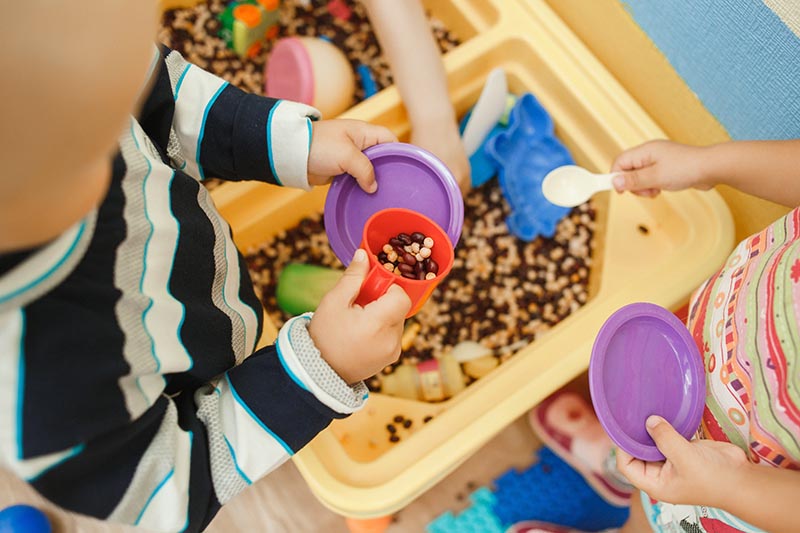
Sensory bins are an excellent, customizable activity that allows kids to explore a wide range of textures, shapes, and colors. A sensory bin is essentially a container filled with materials such as sand, rice, dried beans, or water beads, into which children can immerse their hands and various toys. For example, you can create a “beach” sensory bin using kinetic sand, seashells, and small toys. Not only does this encourage imaginative play, but it also helps develop fine motor skills as children use their hands to manipulate the objects. Sensory bins can be tailored to fit different themes—such as seasons, animals, or holidays—making them endlessly adaptable and educational.
Children benefit from sensory bins by exploring new textures that can help reduce sensitivity to certain materials. The process of pouring, scooping, and sifting materials also helps strengthen their hand-eye coordination and problem-solving abilities. Adding tools like tongs, spoons, and funnels can further challenge them and expand their fine motor skills.
Music and Sound Sensory Play
Music is a fantastic sensory experience that introduces children to rhythm, sound variation, and movement. Creating a homemade musical instrument kit can spark creativity while stimulating auditory development. Instruments like tambourines, maracas, or even pots and pans can be used to encourage kids to make their sounds. Experimenting with volume, tempo, and rhythm helps children become more aware of the different aspects of sound and its effect on their emotions.
Incorporating movement into music activities—such as dancing or following the beat—can also enhance a child’s sense of body awareness. This type of play helps improve coordination, balance, and timing. Music-based sensory activities not only provide emotional outlets but can also contribute to language development as kids learn to associate words with tunes and rhythms.
Messy Play with Paint and Playdough
Creative activities like painting and molding playdough are perfect for sensory exploration. These activities allow kids to use their hands to play with practical fidget toys and create different things while engaging multiple senses, especially touch and sight. Messy play is particularly valuable as it helps children explore different textures without fear of making mistakes. Letting kids use their fingers to mix paint colors or mold playdough shapes allows them to express their creativity freely, building confidence in their abilities.
For younger children, tactile experiences with playdough or finger painting help refine their fine motor skills, especially finger strength and dexterity. These activities also teach concepts like cause and effect, as children see how their movements directly affect the materials they are handling. Furthermore, sensory play with paint and playdough can be soothing and therapeutic, giving children a safe space to express their feelings through artistic expression.
Water Play: Engaging the Sense of Touch
Water play is a simple yet incredibly engaging way for kids to explore their sense of touch. Whether through a bath, a water table, or a backyard pool, kids are naturally drawn to water and its fluidity. You can introduce toys like sponges, cups, and boats to make water play more interactive. Adding food coloring to the water or creating bubbles can make the experience more visually stimulating as well.
Water play promotes not just sensory engagement but also motor skills and problem-solving abilities. For example, children can experiment with which objects float or sink, learning basic physics concepts while playing. Parents can even create a scavenger hunt in the water by hiding small objects for kids to find, promoting focus and fine motor skill development as they fish for toys.
Nature-Based Sensory Exploration
Exploring the natural world is an incredible way for children to engage their senses in an outdoor environment. Nature walks, scavenger hunts, or even creating nature art using leaves, sticks, and flowers can help kids tune into the sights, sounds, and smells around them. The experience of touching different textures, smelling the fresh air, and hearing birds or rustling leaves creates a multisensory experience that fosters curiosity and discovery.
Incorporating nature into sensory play has numerous benefits for children’s emotional and cognitive development. Spending time outdoors has been shown to reduce stress levels, improve concentration, and spark creativity. By engaging with nature through touch (feeling the roughness of tree bark) or sound (listening to birds chirp), children develop a greater sense of awareness and connection to the world around them. Parents can turn simple outdoor activities into memorable learning experiences that foster mindfulness and appreciation of the environment.
Sensory play is a powerful tool in a child’s development, offering endless possibilities for creativity, learning, and growth. So whether indoors or outdoors, take time to engage kids in sensory experiences that will enhance their development and foster their natural curiosity.


 English
 Arabic
 Français
 Español
 Português
 Deutsch
 Türkçe
 Dutch
Dutch
 Italiano
 Russian
 Romaian
 Portuguese (Brazil)